
The Art of Decision-Making: Fostering Positive Outcomes and Harmony through Loving Intention
Decision-making is an integral part of our daily lives, influencing our personal well-being, relationships, and broader societal interactions. The art of making decisions with loving intention is crucial in avoiding suffering and fostering positive outcomes and harmony (Figure 1-Toolbox for a Joyful Life-The Tools of Loving Intention). By grounding our choices in empathy, kindness, and ethical considerations, we can create a more compassionate and balanced world.
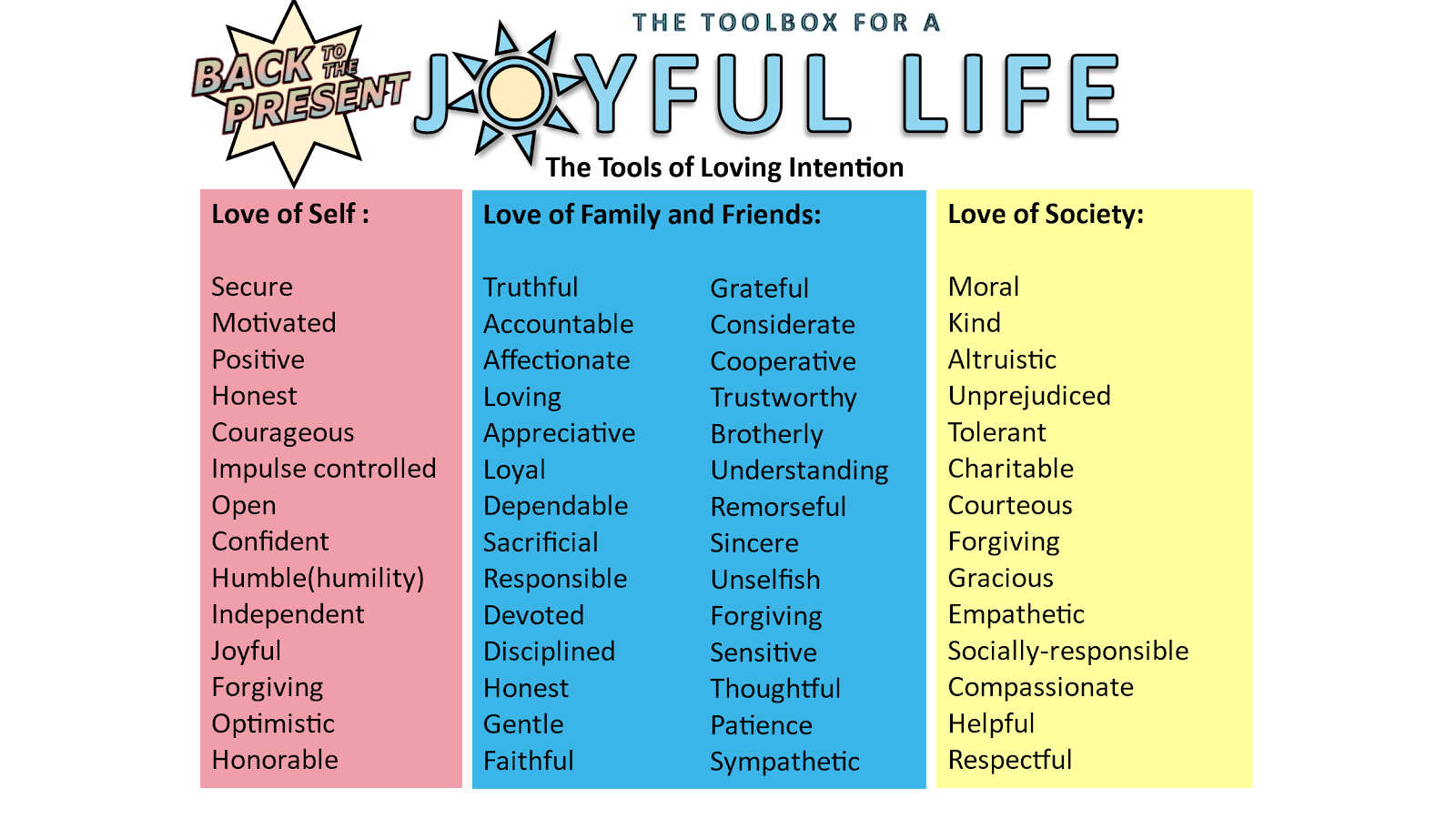
Figure 1-Toolbox for a Joyful Life-The Tools of Loving Intention
Avoiding Suffering through Loving Intention
Personal Well-Being
Decisions made with loving intention prioritize self-care and personal growth, fostering inner peace and reducing internal conflict. When we approach decisions with honesty and self-compassion, we align with our true selves and make choices that support our well-being.
Example:
Jane has a demanding job that often leaves her feeling overwhelmed. Recognizing the need for balance, she decides to set boundaries at work and dedicate time to self-care activities such as meditation, exercise, and spending time with loved ones. By prioritizing her well-being, Jane reduces stress and enhances her overall joy, demonstrating how decisions made with loving intention can avoid personal suffering.Reflective Questions:
How do you ensure your decisions align with your well-being and personal growth?
What steps do you take to practice self-compassion in your decision-making process?
Practical Tips:
Schedule regular self-care activities.
Set clear boundaries to protect your personal time.
Reflect on your goals and values to guide your decisions.
Strengthening Relationships
In relationships, making decisions with loving intention involves considering the needs and feelings of others, fostering trust, and promoting mutual respect. By prioritizing empathy and open communication, we can avoid misunderstandings and conflicts, leading to more harmonious interactions.
Example:
Mike and Laura often disagreed on how to spend their weekends. Instead of insisting on his preferences, Mike decided to communicate openly with Laura and find a compromise that made both of them happy. They agreed to alternate weekends between activities each enjoyed, strengthening their bond and avoiding unnecessary conflicts.Reflective Questions:
How do you incorporate empathy and understanding in your relationship decisions?
What strategies do you use to resolve conflicts and find compromises?
Practical Tips:
Practice active listening in conversations.
Be willing to compromise and find middle ground.
Regularly express appreciation and gratitude to loved ones.
Contributing to Society
Decisions that extend loving intention to society involve upholding ethical values and social responsibility. By making choices that consider the broader impact on our communities and environment, we contribute to collective well-being and social harmony.
Example:
Emma is passionate about environmental conservation. She decided to reduce her carbon footprint by using public transportation, recycling, and supporting local sustainable businesses. Her decisions reflect her commitment to social responsibility and contribute to a healthier planet and community.Reflective Questions:
How do your decisions reflect your commitment to social responsibility and ethical values?
What actions do you take to contribute positively to your community and environment?
Practical Tips:
Volunteer for community service projects.
Make environmentally conscious choices.
Support ethical businesses and practices.
The Role of Intuition and Ethical Considerations
Making decisions with loving intention often involves listening to our intuition and considering the ethical implications of our choices. Our intuition, shaped by our subconscious understanding of right and wrong, guides us towards decisions that align with our core values and moral compass. Ethical considerations ensure that our choices do not harm others and promote fairness and justice.
Example:
David was offered a high-paying job at a company known for unethical practices. Despite the financial benefits, his intuition and ethical values guided him to decline the offer. Instead, he chose a position at a company that aligned with his principles of integrity and social responsibility, demonstrating how intuition and ethics play a crucial role in decision-making with loving intention.Reflective Questions:
How do you balance intuition and ethical considerations in your decision-making process?
Can you recall a time when your intuition guided you to make an ethical choice?
Practical Tips:
Reflect on your core values and principles regularly.
Trust your gut feelings when making decisions.
Consider the long-term impact of your choices on others.
Conclusion
The art of decision-making with loving intention is about fostering positive outcomes and harmony in our personal lives, relationships, and society. By grounding our choices in empathy, kindness, and ethical considerations, we can avoid suffering and create a more compassionate and balanced world.
Call to Action: Reflect on how you can integrate loving intention into your decision-making process. Consider the impact of your choices on yourself, your relationships, and society. By making decisions with empathy and ethical considerations, you can contribute to a more harmonious and fulfilling existence for all.
Reflective Questions for Further Discussion:
How do you ensure your decisions align with your core values and principles?
What role does empathy play in your decision-making process?
How can you incorporate ethical considerations into your daily choices?
How do you balance your needs with the needs of others when making decisions?