
Beyond Worry-Finding Balance and Joy in the Present Moment
If humans lacked the ability to foresee the future, much like many animals who live solely by instinct, focusing only on their immediate needs for survival, our experience of anxiety would be markedly different. In such a world, our only worries would revolve around the essentials: food, shelter, safety, and finding a mate. This simplified existence contrasts starkly with the complexity of human anxiety today, which often orbits around a vast array of potential future scenarios, many of which may never come to pass.
Animals, operating on instinct alone, don’t stress over what the future holds. They prepare for the coming seasons in a way that's ingrained in their very being, without conscious thought of the "what ifs." For humans, however, the awareness of future possibilities opens up a Pandora's box of choices and, consequently, worries. For every choice we create there are millions of possible outcomes we must consider when making decisions.
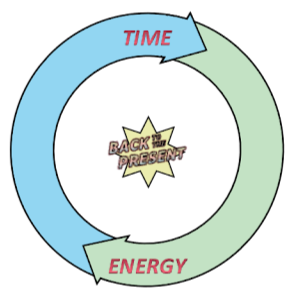
Figure 1-Limited Resources
Our deep-seated fear of making the wrong choice, or of facing unforeseen consequences, can lead us down a path of perpetual anxiety.
Take getting caught in the rain as an example. Once you’re wet, you can no longer be dry—there’s no going back in time to grab an umbrella. Worrying about the impact of showing up soaked to an important meeting or date is natural, but it's also a prime example of fretting over a situation already beyond our control. Recognizing that we can't predict every twist and turn in life, but can prepare ourselves to face them as best as we can, is crucial in reducing the anxiety tied to our future perceptions.
In today's society, the sheer volume of choices and possibilities can be overwhelming, leading to what I call "the anxiety of our future perceptions." This form of anxiety not only distracts us from enjoying the present moment but also consumes the valuable resources of time and energy we cannot recover. It's a modern dilemma, exacerbated by our access to almost limitless information about what could be, rather than focusing on what is.
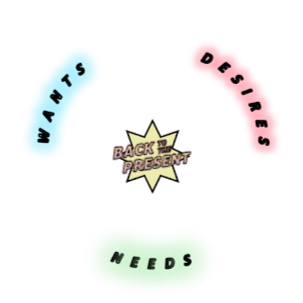
Figure 2-Satisfactions
Yet, what truly brings joy into our lives isn't successfully navigating an endless sea of future possibilities, but rather cultivating meaningful relationships. Our intellect may drive us to achieve and acquire, creating countless scenarios for our future happiness. Still, it is our intuition that guides us toward the deeper fulfillment found in connection with others. Recognizing and prioritizing this can lead us to make choices that align more closely with our desires, not just our needs and wants.
The challenge, then, is not to eliminate future planning or to ignore the instinctual and intellectual impulses that prompt us to prepare and strive for better. Instead, we must balance these with the intuitive understanding that relationships and present experiences are where true joy lies. This balance can help minimize the distractions and anxieties that come from obsessing over every potential future outcome.
By embracing the concept of faith—not necessarily in a religious sense, but as confidence in our ability to make decisions that align with our deepest values and desires—we can navigate life's uncertainties with greater peace. Faith, in this context, is trusting in the guidance we've inherited through instinct, intellect, and intuition to lead us toward fulfilling lives.
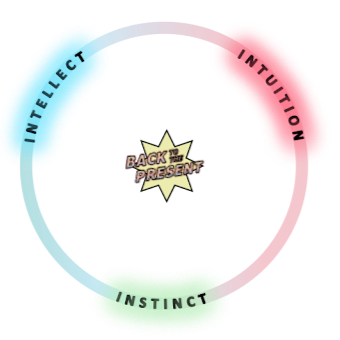
Figure 3-Sources of Knowledge
In conclusion, while it's impossible to predict every outcome or to prepare for every eventuality, focusing on what truly matters—our connections with others and our ability to live fully in the present—can help us manage the anxiety of future perceptions. By making choices rooted in loving intention and by trusting in the guidance available to us, we can find joy and contentment in the journey, regardless of the storms we may face along the way.
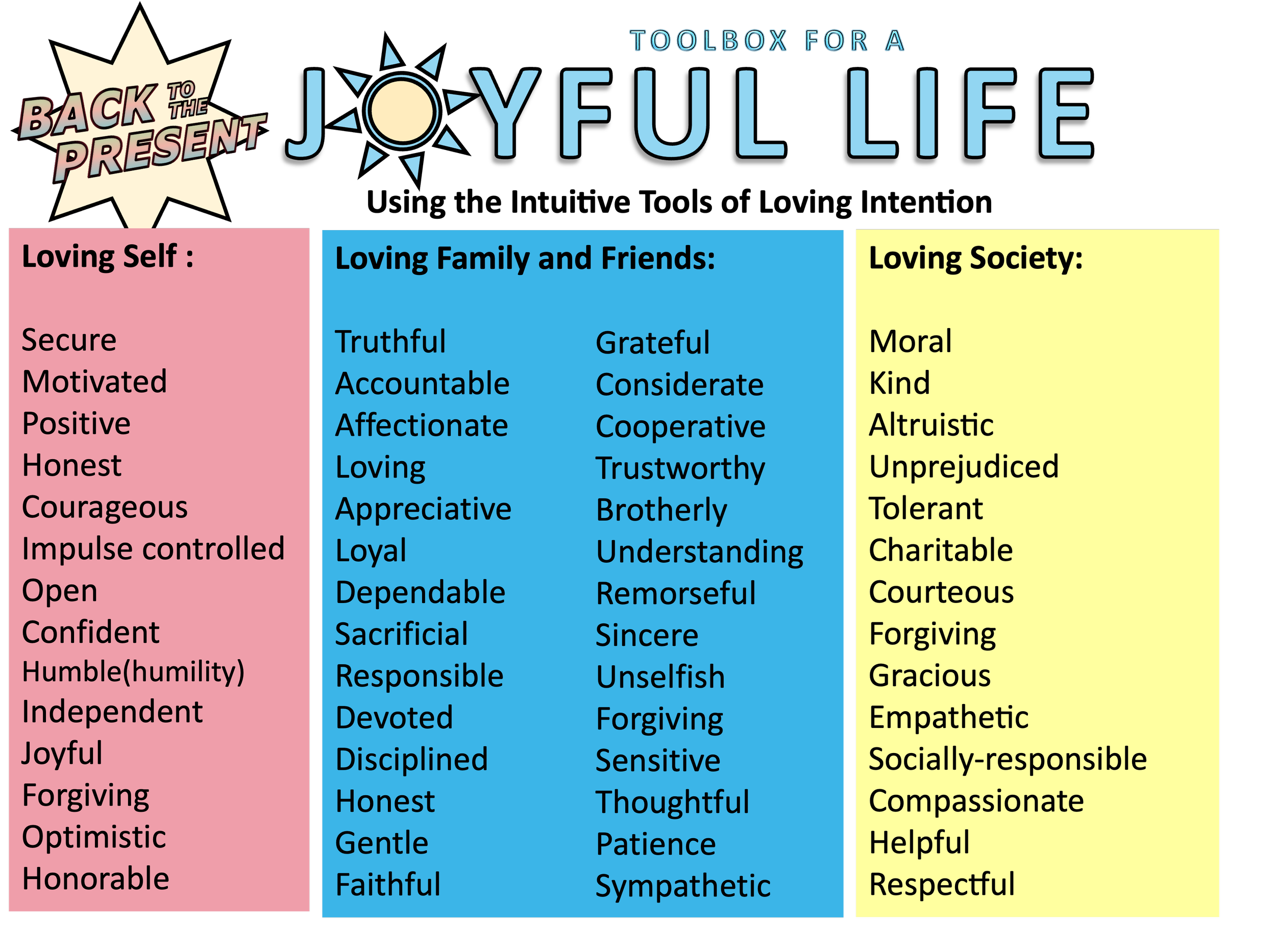
Figure 4-Toolbox for a Joyful Life