
The Complexity of Modern Decision-Making and Resulting Anxiety
Have you ever found yourself paralyzed by the sheer number of choices available to you? Whether it's deciding what to eat for dinner, which career path to pursue, or what new gadget to buy, the overwhelming number of options we face every day can make even the simplest decisions feel like monumental challenges. This is a direct result of the rapid intellectual advancements we’ve made in recent years, which have complicated decision-making in ways we often don’t even realize.
Today’s world is filled with constant information and an abundance of choices. In the past, decision-making was often more straightforward—based on clear facts and immediate experiences. Now, however, we're bombarded with endless possibilities, all competing for our attention. With more options come more questions, more uncertainty, and, inevitably, more anxiety. We wonder, "Did I make the right choice?" or "What if I missed out on something better?" This constant mental back-and-forth leaves many of us stuck in a cycle of overthinking, unsure of which path to take.
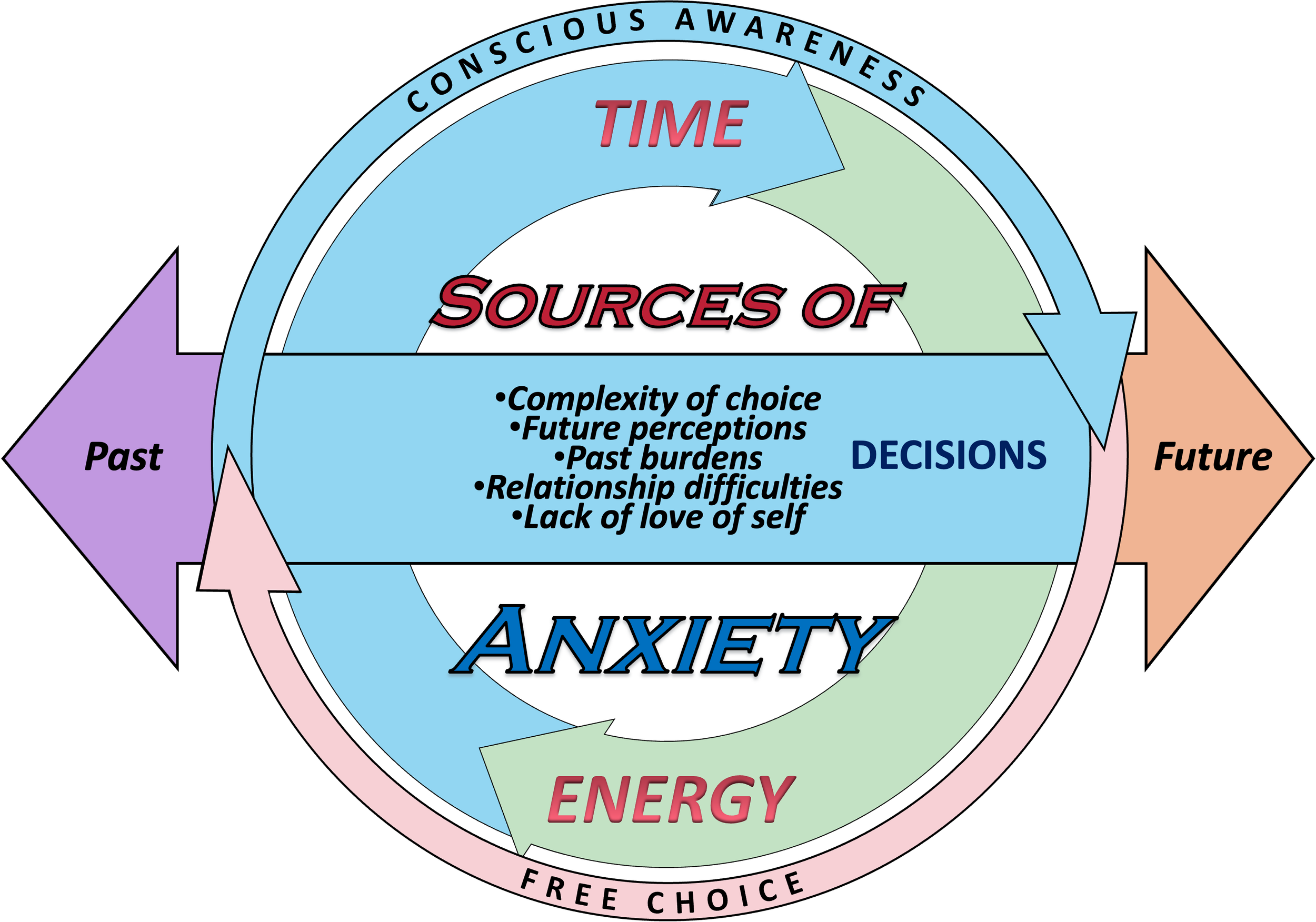
How often do we experience this kind of decision fatigue, where we overanalyze even the smallest decisions to the point of exhaustion? You’re not alone. This anxiety is a natural response to the complexity of modern decision-making, which often leaves us feeling unsure, overwhelmed, or dissatisfied with the choices we make. This is the type of anxiety I refer to as the Complexity of Choice. But what if there’s a way to ease this burden and make decisions with greater clarity and less stress (Figure 1-The Anxiety from the Complexity of Choice)?
The answer lies in understanding the balance between three critical factors: instinct, intellect, and intuition. These are the core components of how we make decisions, and understanding how to navigate them can make all the difference.
Instinct: Our Immediate, Survival-Based Reactions
Instinct refers to our automatic, gut-level responses to situations, often driven by basic survival mechanisms. Unlike intuition, which is more subtle and shaped by experience, instinct operates quickly and without conscious thought. It’s the “fight or flight” response when we encounter danger or the immediate sense of fear we feel when we’re in an unfamiliar or uncomfortable situation.
Think of the last time you instinctively pulled your hand away from something hot, without needing to think about it. That was your instinct at work—an immediate reflexive reaction aimed at protecting you. In decision-making, instincts often guide our initial reactions and are based on patterns of behavior that kept previous generations alive.
While instinct is crucial for quick, life-preserving decisions, it’s important to balance it with intellect and intuition. In modern decision-making, we often face complex situations that require more than just immediate reactions, which is why we must also incorporate thoughtful analysis and emotional insight into our process.
Intellect: Analyzing the Options
Intellect is the logical side of decision-making. It involves analyzing all available information, weighing the pros and cons, and making a decision based on reason. This is often the part we rely on when making important decisions like choosing a job or buying a home. While intellect is invaluable, relying on it too heavily can lead to analysis paralysis—overthinking every choice to the point where it becomes overwhelming. Obviously, the more choices there are, the more knowledge must be sorted through when making decisions.
I remember a time when I had to make a significant life change, and I spent weeks carefully considering every possible outcome, weighing every detail. I was so caught up in analyzing all the variables that I nearly forgot to listen to my own intuition, which was telling me to take the leap. Sometimes, overanalyzing can leave us stuck in indecision, leading to more anxiety than clarity.
Intuition: The Subtle Guide
Intuition is the quieter, more subtle part of decision-making. It’s based on your emotions, your subconscious knowledge, and a deeper sense of connection to the world around you. Often, intuition feels like a flash of insight or an inner knowing that guides your choices, even when you can't explain why. How often have you had a “gut feeling” that something was right, even though you didn’t have all the facts to back it up?
Intuition is often drowned out by our constant need for more information. Our intuitive knowledge contains what I refer to as, the knowledge of loving intention, provided in the Toolbox for a Joyful Life (Figure 2- Toolbox for a Joyful Life)
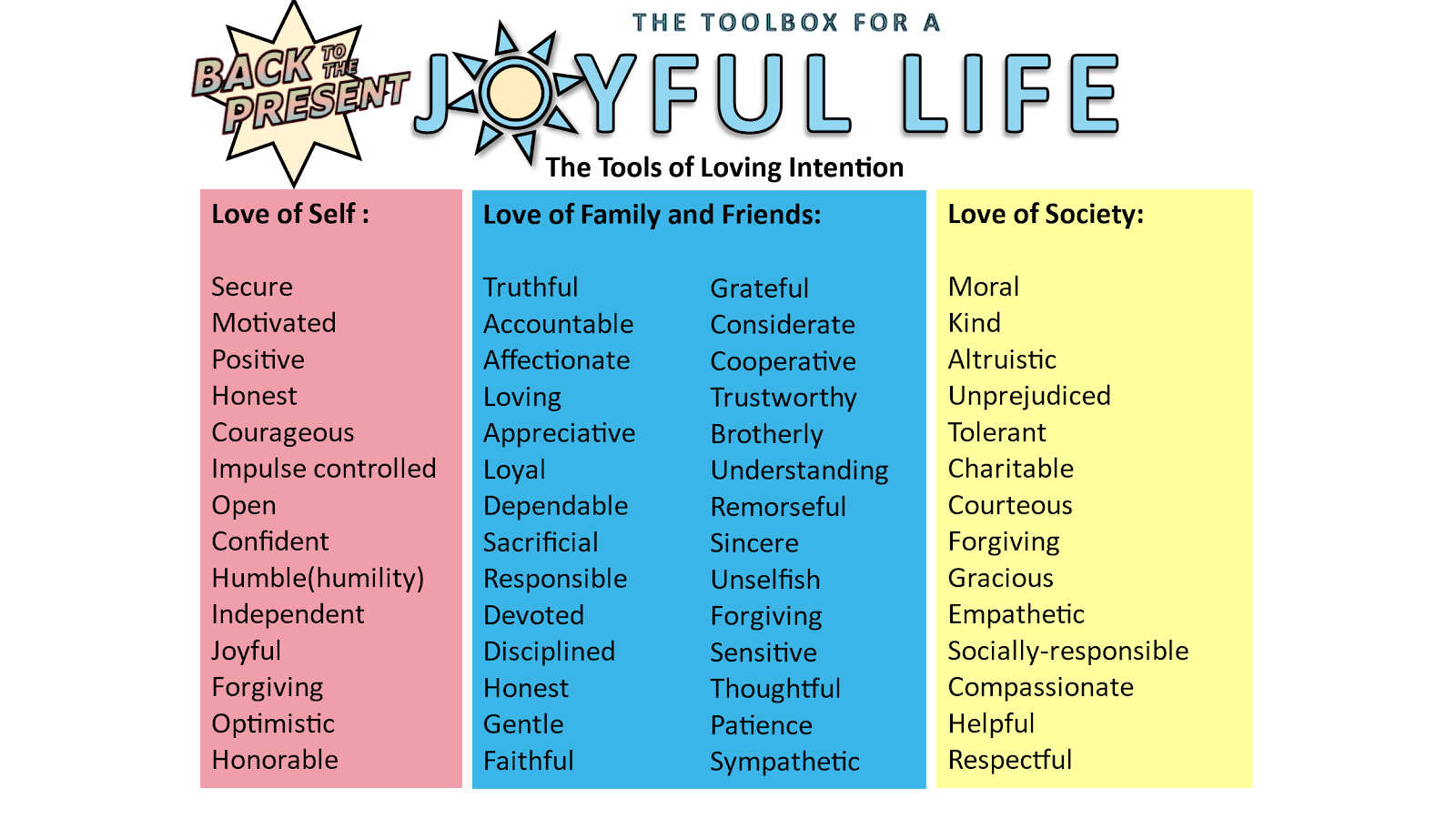
Figure 2-Toolbox for a Joyful Life
This type of knowledge exists in our subconscious mind, implanted there by our ancestors, awaiting our access. Intuition provides humanity the insights and understandings required to have good relationships with others. The modern world values logic and reason of intellectual understanding, but intuition—when harnessed properly—can be equally as powerful. It’s that little voice inside us that often leads us to the right decision, even when the rational mind is unsure.
The Challenge: Balancing Instinct, Intellect, and Intuition
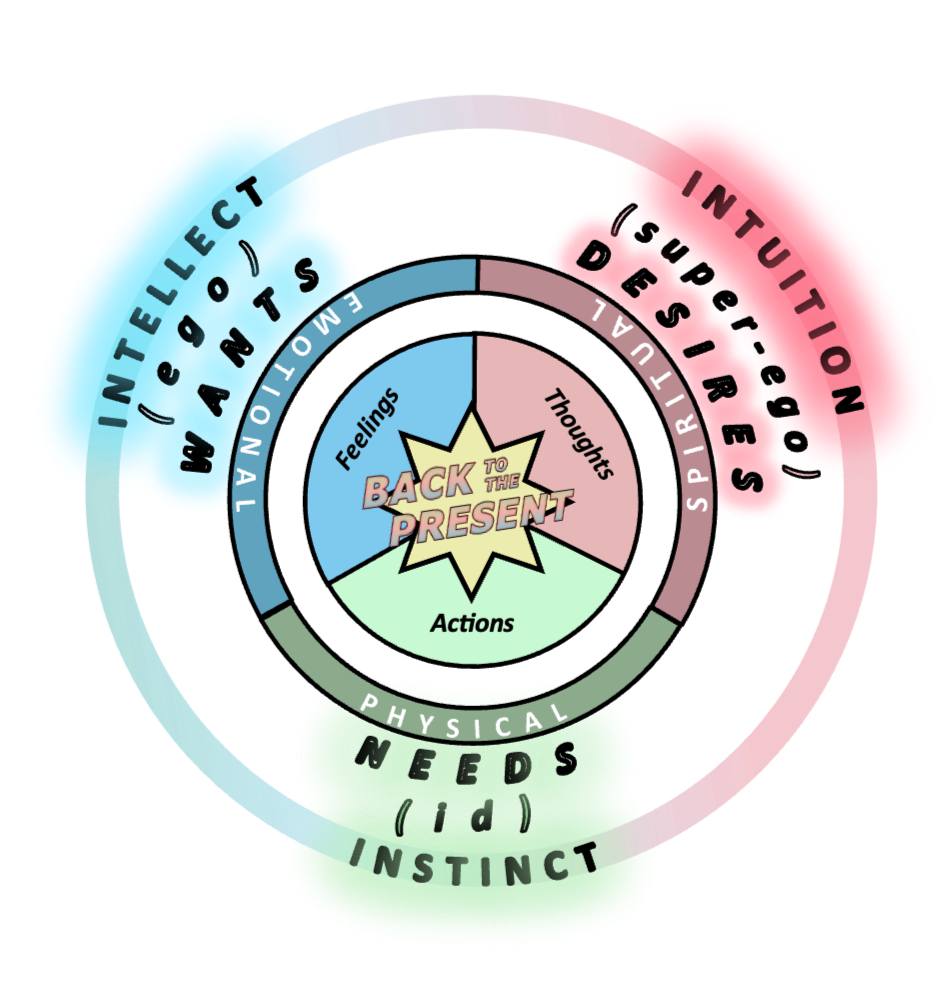
Figure 3-Sources of Knowledge and Levels of Consciousness)
The key to effective decision-making lies in finding the right balance between these three Sources of Knowledge: instinct, intellect, and intuition. When we’re overloaded with information and choices, it’s easy to let intellect dominate, overanalyzing every possibility and ignoring our intuition or gut instincts. On the other hand, relying solely on instinct or intuition can sometimes lead to impulsive decisions that overlook important facts or considerations.
Imagine if, instead of relying solely on one or the other, we allowed these three forces to work together. By giving ourselves the space to trust our instincts, weigh the options with our intellect, and listen to our intuition, we can make decisions that feel more balanced and aligned with our true priorities.
The Resulting Anxiety: Are We Losing Sight of What Truly Matters?
As we navigate these forces, the complexity of decision-making can cause anxiety, making us question our choices and second-guess ourselves. I often describe anxiety as a lack of emotional confidence in our ability to make decisions or handle potential outcomes. When we’re anxious, we lose sight of what truly matters—our emotional well-being, relationships, and personal fulfillment. In our pursuit of the "perfect" or "right" decision, we forget to listen to what our heart is intuitively guiding us to do. We get caught in the cycle of striving to make the best choice, even though sometimes the best choice is simply the one that aligns with who we are in the moment.
Our decisions don’t need to cause suffering for others when we make them with the intuitive knowledge of loving intention (See the Toolbox above). The more we overcomplicate our decisions, the more disconnected we become from our true selves and the things that really matter. When we focus too much on the outcome, we lose sight of the journey and forget to trust the process.
Practical Steps to Reduce Anxiety in Decision-Making
So, how do we navigate this complexity without falling prey to anxiety and overthinking? Here are a few steps to help balance instinct, intellect, and intuition in your decision-making process:
Pause and Reflect: Before making a decision, take a moment to pause. Slow down and breathe. Give yourself space to listen to your gut instincts.
Embrace Intuition: Trust your intuition. It’s often the quietest voice, but it’s a powerful one. When making decisions, allow yourself to listen to that inner knowing and ask, "Will this decision effect the love I have for myself, my friends and family, or society?" If it does you are likely making the wrong decision.
Balance with Logic: Once you've tuned into your instincts and challenged your intuition, use your intellect to process the information. Weigh the pros and cons, but don’t let overthinking stop you from moving forward.
Release the Need for Perfection: Recognize that no decision is ever perfect. Trust that you can handle the outcome, whatever it may be. Sometimes, the most important thing is simply to make a choice and move forward.
Conclusion: Taking Control of Your Decision-Making
Modern decision-making doesn’t have to be a source of anxiety. By balancing instinct, intellect, and intuition, you can reduce the pressure to make "perfect" decisions and focus on what truly matters. Trust yourself. Embrace the process and know that you have the tools to make decisions that align with your deepest values and desires.
The next time you face a decision, ask yourself: "Am I listening to all three parts of me—my instinct, my intellect, and my intuition?" By learning to harmonize these forces, you can navigate the complexities of life with confidence and clarity, free from unnecessary anxiety.
What’s Next?
Now, think about a recent decision you made. Did you let anxiety guide your choice? Or did you take a moment to pause, reflect, and find the balance between instinct, intellect, and intuition? I challenge you to start paying attention to how you make decisions. Notice when you lean too much on one aspect and when you might be ignoring your gut or heart. With practice, you’ll find that making decisions becomes easier and less overwhelming. It all starts with listening to yourself.