
Balancing Choices: Nurturing Emotional Wisdom in a World of Complexity
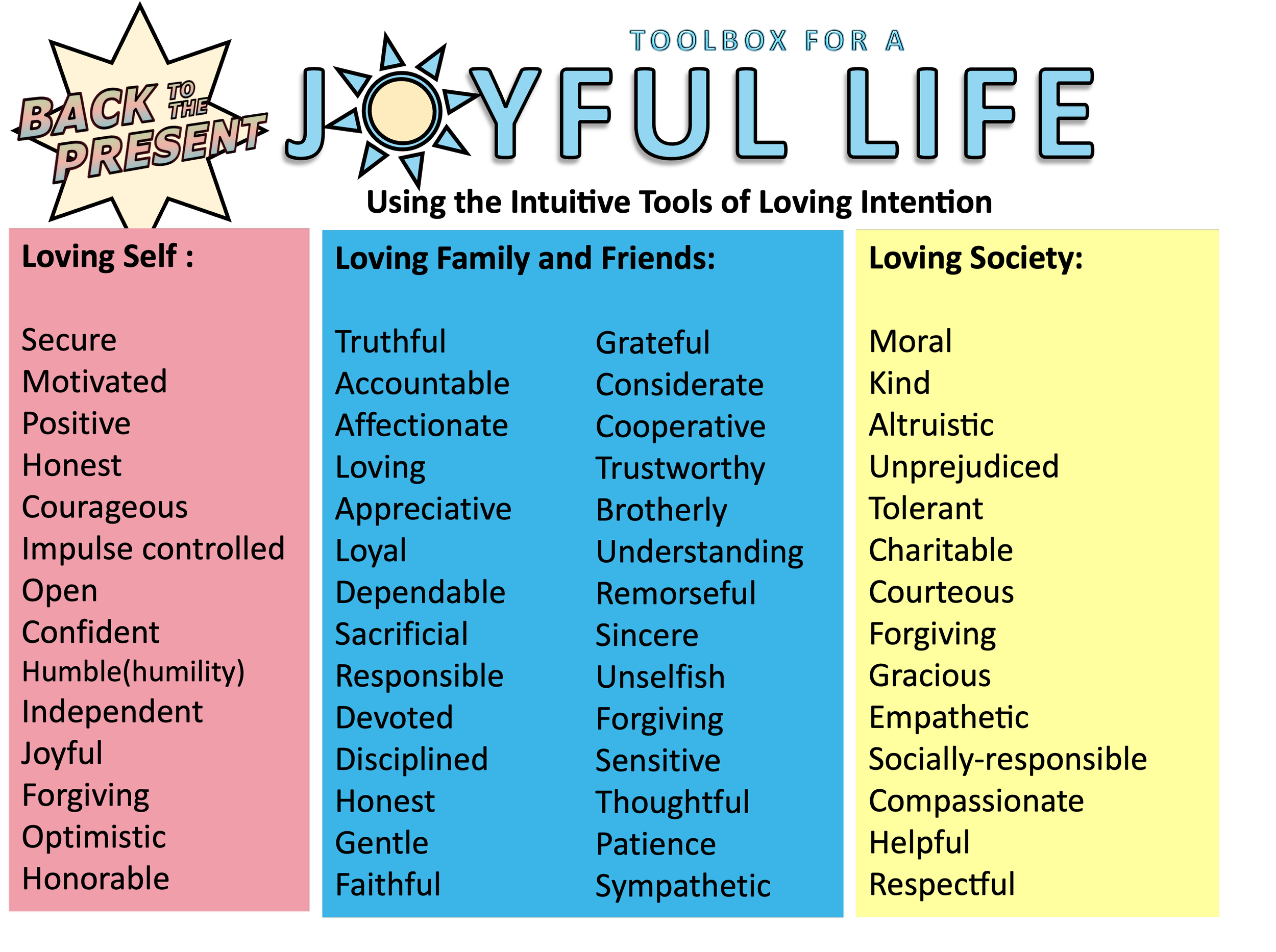
Figure 1-Toolbox for a Joyful Life
Our nurturing process allows our young to mature emotionally over time. Human beings sacrifice their time and energy nurturing their young for years beyond what is typical in the animal kingdom. Applying loving intention in this manner is one of our greatest intuitive attributes. Interestingly, this prolonged nurturing intends to prepare our young for their adult experiences. When well-done our children will enter the adult world able to be productive, at peace, and fulfill purpose. However, the complexity of the world we are handing them has slowed their emotional developing making this nurturing period longer and longer. I believe that today in America, 30 is the new 18. Meaning that it takes 30 years to prepare a child for the complex world we have created for them to move into. Here is one of the many reasons I believe this has happened.
Today's children are often overwhelmed with all the things we have created for them to want, not need, losing sight of the fundamental gratitude that underpins our humanity. The intuitive knowledge of loving intention that should be gained in childhood is vital for our success as a species.
The rapid advancement of intellectual knowledge has made our decision-making increasingly complex, leading to anxiety and a loss of focus on what truly matters. Our brains, juggling instinct, intellect, and intuition, struggle to maintain balance in this fast-paced world.
The ability to choose our destiny is a remarkable human gift, yet it has led to a dilemma of overwhelming options, one I like to call the anxiety from the Complexity of Choice. Unlike animals, guided by instinct and lacking conscious awareness, humans live with the anxiety of choice, constantly weighing the future.
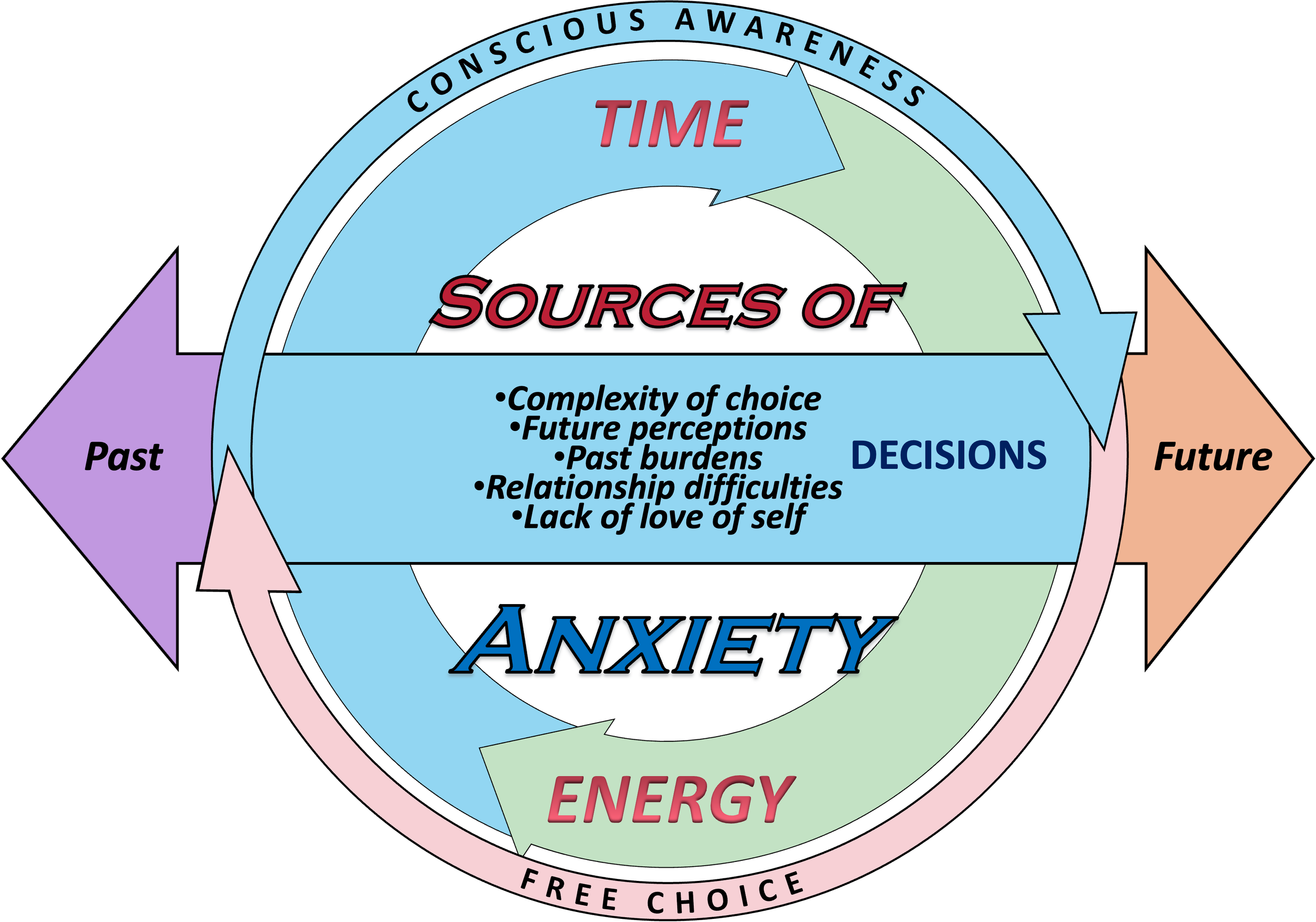
Figure 2-Sources of Anxiety-Complexity of Choice
Our unique consciousness allows us to contemplate and choose our future. The challenge lies in balancing our intellectual achievements with intuitive emotional and relational fulfillment. We must remember that enduring joy comes not from sensory experiences but from nurturing good relationships. Our intellectual prowess, and its creative offerings, should not overshadow our fundamental need for emotional connection.
Every day holds the potential for joy, yet often we find ourselves burdened by the weight of decision-making. Our existence revolves around the energy we possess and how we allocate it through time. Typically, we seek options that promise pleasure or avoid pain and discomfort.
Anxiety, as I see it, stems from a lack of emotional confidence in our decision-making. This is a widespread issue, especially in America, where an abundance of choices and the pressure to be perpetually prepared can be overwhelming.
Our energy is finite. In America, our intellectual creativity has spawned countless options, resulting in greater comfort, convenience, entertainment, and amusement. However, in an attempt to have what it is we want, believing it will make us happy, we have created undeniable exhaustion and anxiety. True fulfillment and joy, however, are found in relationships, not material possessions.
The essence of life's joy springs from our connections with others. When we misdirect our time and energy towards material pursuits, we inadvertently ignore our spiritual desires.
Decision-making is complex. Our sensory perceptions inform us about our environment and play a pivotal role in our choices. If anxiety clouds our minds, we're unable to fully engage with these sensory cues, potentially missing out on vital information needed for sound decisions.
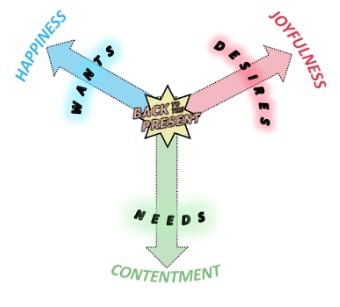
Figure 3-Satisfactions and Emotional State of Being
We experience life through our senses and interpret these inputs emotionally. However, we cannot recreate a sensory perception through conscious thought; we can only revisit the emotional reactions they once evoked.
Humans have created a vast array of sensory experiences, adding complexity to decision-making and diminishing the joy derived from relationships. While we often mistake the happiness that comes from sensory gratification for genuine joy, which is deeply rooted in emotional connections.
In summary, while our senses provide immediate gratification, enduring joy is found in the emotional fulfillment that stems from relationships. Striking a balance between sensory experiences and emotional bonds is crucial for a fulfilling life.
To live fully in the moment means to be emotionally attuned without being overwhelmed by our feelings. Anxiety, a consequence of uncertainty in making decisions, can consume our conscious thoughts. Our physical senses are vital, as they relay information about our surroundings.
Our emotional capacity interprets this sensory information, shaping our worldviews. Humans uniquely possess the ability to consciously manage our emotions, distinguishing us from other animals. This conscious awareness merges our physical, emotional, and spiritual Gifts, enabling thoughtful contemplation and action.
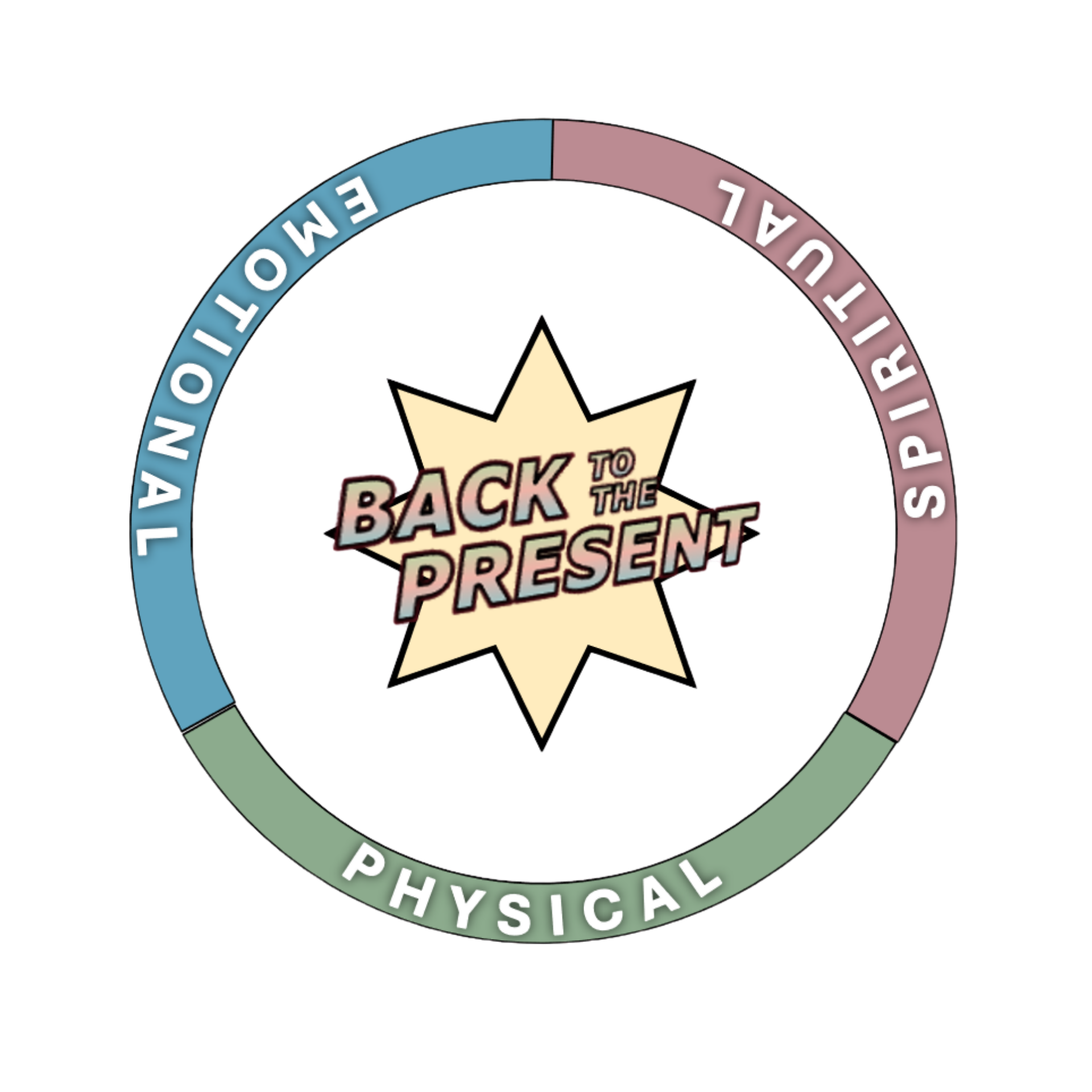
Figure 5-Gifts
The key is to have clarity about our desired emotional outcomes, our intentions. While our emotions influence how we perceive sensory experiences, they can also inadvertently steer our actions. When besieged by choices, anxiety can immobilize us or cause us to be impulsive, especially to fear, anger, sadness, or temptation (our F.A.S.T. emotions).
To navigate this, we need a deeper understanding of our emotional faculties. Emotions should be viewed as guides, steering us towards the feelings we aspire to achieve in our decisions, not as the sole arbiters of those decisions.
Our physical capabilities grant us sensory awareness, while our spiritual aspect provides direction and a sense of purpose. Effectively harnessing these gifts can cultivate joy in every facet of our lives.
Consider intimacy, one of the most profound pleasures in human experience, which melds the physical, emotional, and spiritual realms of our beings. In moments of deep physical connection, especially with a loved one, the sensory experience is so overwhelming that it momentarily eclipses all else, creating a unique feeling that resonates with our spiritual purpose of procreation and deep connection.
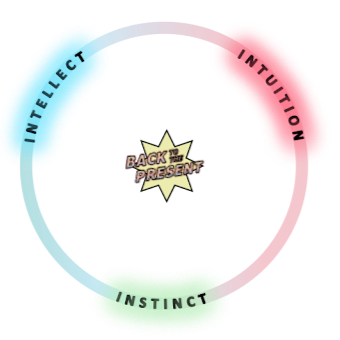
Figure 6-Sources of Knowledge
Our decision-making process is steered by three fundamental tools: instincts, intellect, and intuition. Instincts are vital for our survival, guiding our most basic responses. Intellect enables us to knowingly learn and grow from accumulated knowledge, enriching our understanding of the world. Intuition, meanwhile, acts as a bridge between instinct and intellect, infusing our decisions with emotional wisdom that I refer to as the knowledge of loving intention (Figure 1). Trusting and honing these tools is essential for making choices that are both effective and balanced.
At the heart of efficient decision-making is the present moment, a confluence of our instincts, intellect, and intuition. By minimizing anxiety, we can harness this moment, epitomizing the optimal use of our time and energy. Stress and fatigue often signal a drift from this focus. To navigate life's complexities, we must understand our emotional range and manage it skillfully. Our decisions should not only fulfill our needs and wants, but also our desire to nurture our relationships, without letting emotions overrule us.
In essence, our physical senses gather information, our emotions provide interpretation, and our spiritual understanding are intended to direct our actions. Harmonizing these facets allows us to make decisions that bring joy and fulfillment, both personally and in our relationships. This holistic approach is vital for navigating life effectively and minimizing the impact of anxiety on our ability to thrive in the present.