
What’s Up with Anxiety?
Anxiety, at its core, is an emotional response stemming from uncertainty in our decision-making or handling potential outcomes. Initially an evolutionary tool for survival—motivating our ancestors to secure basic necessities—this response has, in today's human society, transformed into a burdensome preoccupation, consuming our limited time and energy. This transformation begs a crucial question: How did a once vital survival mechanism become a debilitating part of human life?
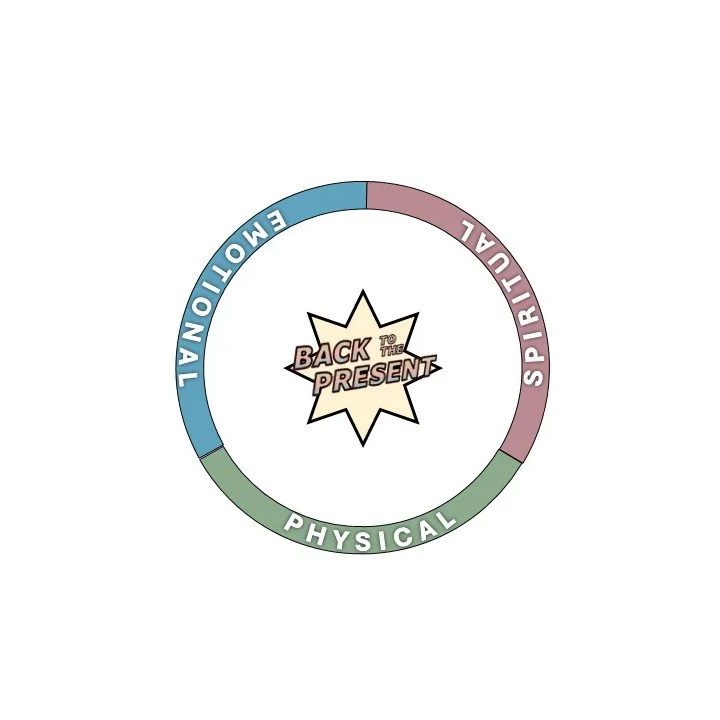
Figure 1: Three Gifts
The essence of anxiety lies in the chaos of our thoughts and feelings, endlessly stirring up uncertainty and vulnerability. This turmoil not only disturbs our peace but also impedes our ability to harness our unique human gifts: physical, emotional, and spiritual (as shown in Figure 1: Three Gifts). Our actions, feelings, and thoughts—what I call the Manifestations of these gifts—permit us to freely choose to shape our future and spread love and creativity (see Figure 2: Manifestations). If we can be consciously aware of what we are doing, feeling, and thinking, being mindful, and can freely choose what we would like to do, feel, or think next, it begs the question, why would we choose to suffer with anxiety?
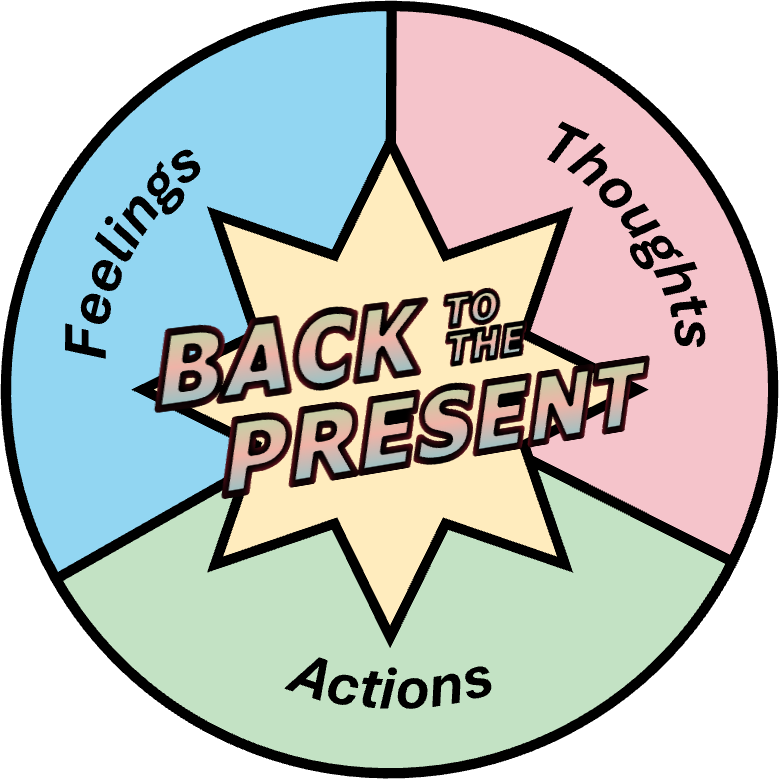
Figure 2: Manifestations
However, when anxiety manifests in our feelings and thoughts, it clouds our judgment, hampering our capacity to see opportunities and make confident decisions. It fills us with fear and doubt, robbing us of present joys and the ability to tap into our innate attributes, both intellectual and intuitive.
The impact of anxiety extends to our relationships too. Our emotional and spiritual strengths, which empower us to feel and think deeply, are also the foundation for our ability to love, empathize, sacrifice, and communicate, allowing us to share wisdom. This level of connection surpasses the instinctive nurturing found in other species, as our human love is a deliberate and informed choice.
We have evolved from our ancestors, enhancing our consciousness with both intellectual and intuitive understanding for wiser decision-making. This evolution is crucial for cultivating loving and meaningful relationships. Unfortunately, our intellect has overwhelmed our consciousness with choice, bogging us down with the fear of making the wrong decisions. Fortunately, our intuition is there to enlighten and direct our consciousness to use loving intention to make good decisions. Reflect on this set of qualities, which I term the Toolbox for a Joyful Life (refer to Figure 3: Toolbox for a Joyful Life).
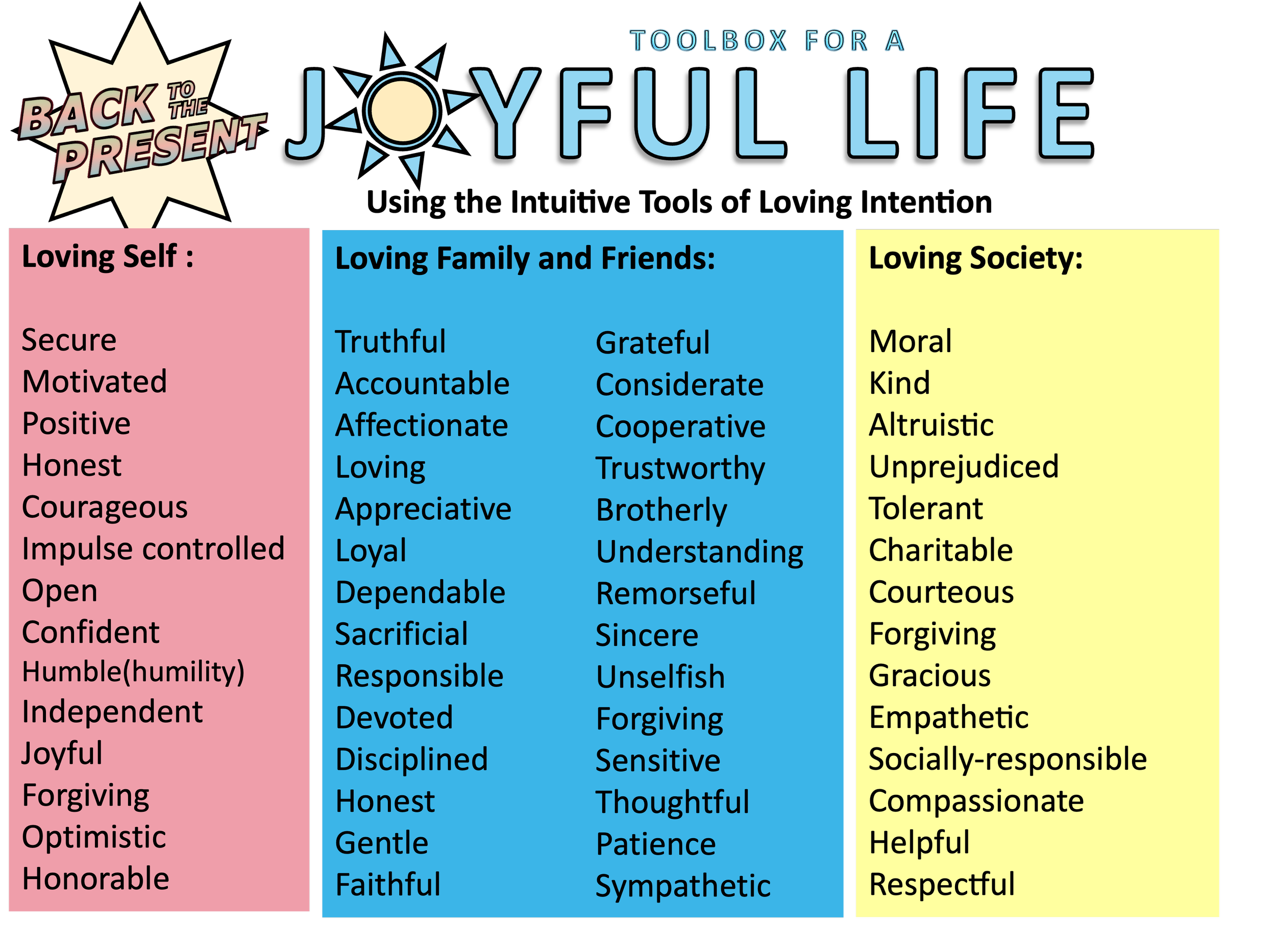
Figure 3: Toolbox for a Joyful Life
Ask yourself, is there anything on this list you cannot embody?
Anything you wouldn't aspire to?
How anxious would you be if you felt this way all the time?
I compiled this list for my daughter when she was two-years-old, encapsulating my hopes for her. Facing a difficult childhood myself, one full of fear, anger, sadness, and temptation, it was essential to define clear parenting goals. This list is not merely a set of traits; it's a guide for nurturing a joy-filled, loving person.
Yet, when anxiety overwhelms us, these feelings and thoughts can exhaust us. This becomes cumulative, leading to emotional burnout, often manifesting as depression. Depression can be seen as a result of the mental exhaustion brought on by constant anxiety—a state where our minds are too fatigued to process or enjoy new experiences.
Understanding and addressing anxiety is vital, not just for personal well-being, but for the collective health of society. Recognizing our unique human attributes and learning to manage mental distractions enables us to maximize our physical, emotional, and spiritual gifts, leading to more fulfilling lives and healthier communities.
In today's fast-paced and complex world, this understanding of anxiety is crucial. Recognizing its impact allows us to begin alleviating its burden, unlocking our innate abilities to love, share, and evolve as humans.