
Using Loving Intention Through Grace to Describe Critical Understandings
Loving intention, expressed through grace, serves as the guiding principle that connects each CRITICAL UNDERSTANDING to the ultimate goal of a joyful life. By embracing grace, we align our actions, feelings, and thoughts with loving intention and the values that promote mindfulness, self-awareness, and connection (Figure 1-Toolbox for a Joyful Life).
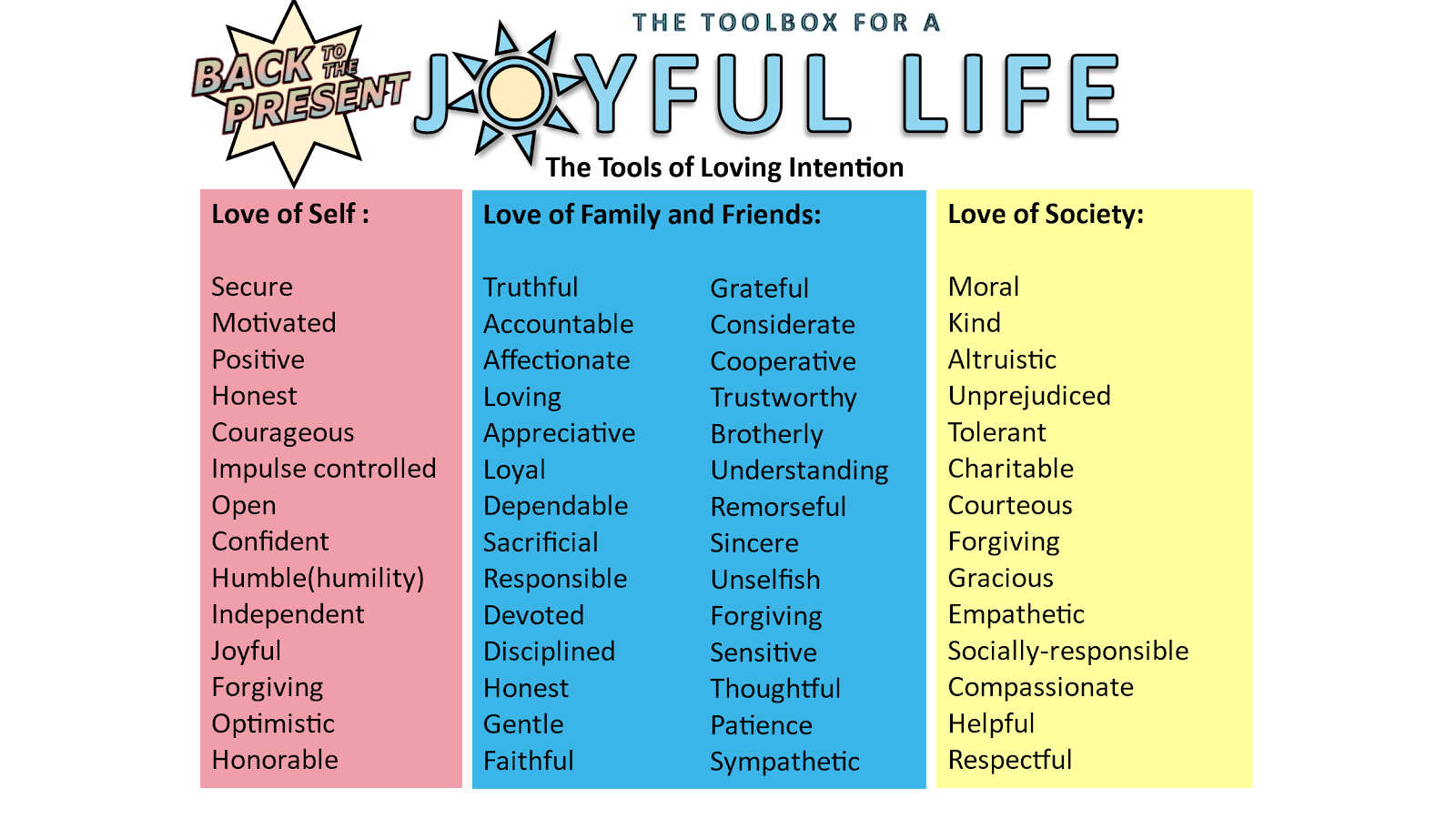
Figure 1-Toolbox for a Joyful Life
1. Physical, Emotional, and Spiritual (Our Three Gifts)
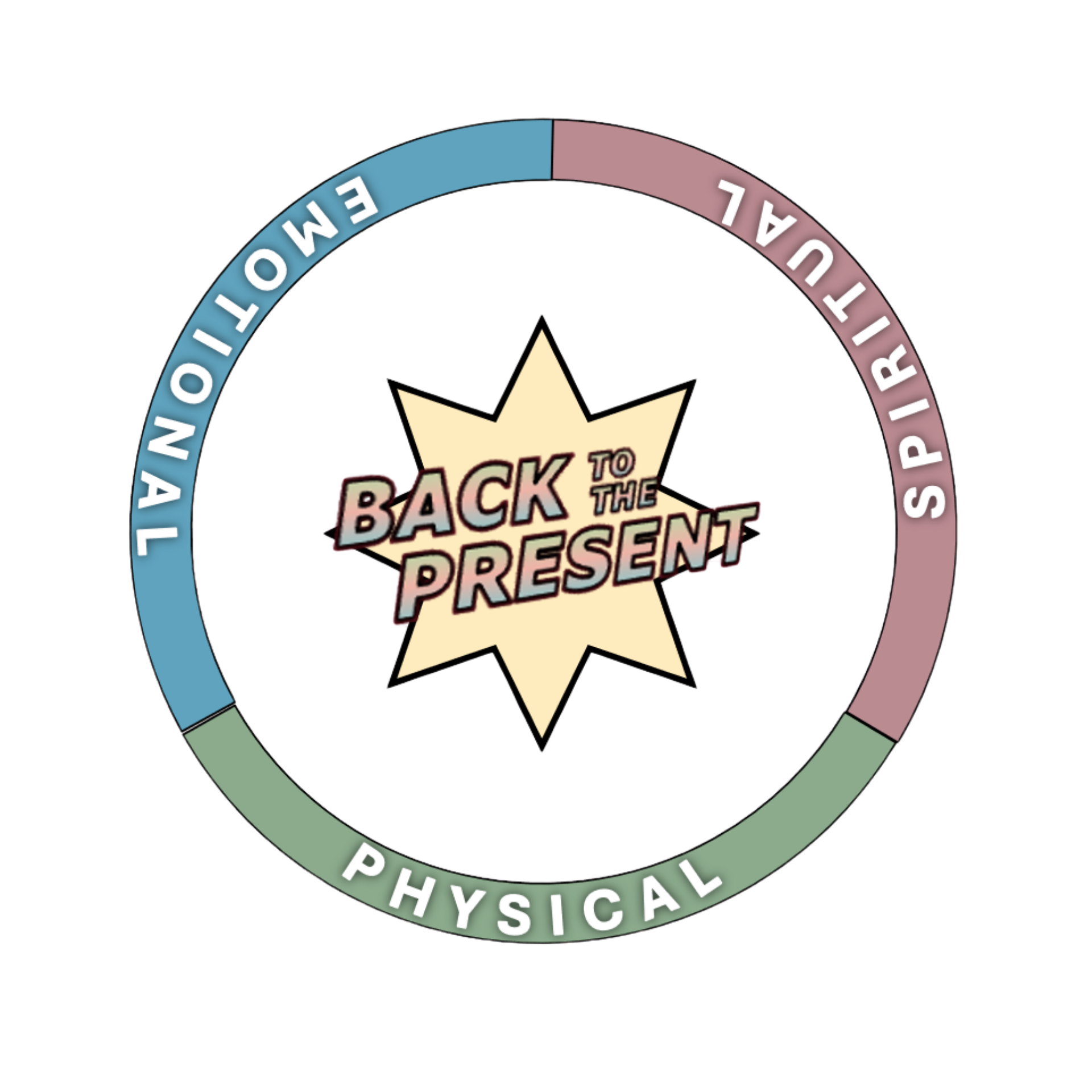
Figure 2-Gifts
Through loving intention, we honor the Gifts of our physical, emotional, and spiritual selves (Figure 2-Gifts). Grace encourages us to nurture these aspects equally to achieve balance. This balance enables us to become more mindful and present, living fully in the moment where we can appreciate and utilize our gifts.
Example Through Grace:
Caring for our physical health by sleeping well, eating well, and challenging your body
Expressing our emotions authentically, loving oneself, your friends and family, and society appropriately.
Seeking spiritual alignment by acknowledging available guidance and having faith in it.
Reflective Practice:
How can I show grace to my physical body today?
What emotional and spiritual needs can I honor?
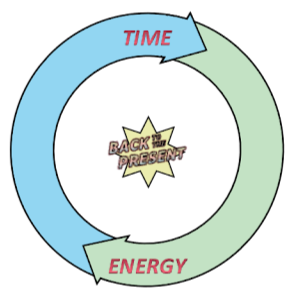
Figure 3-Limited Resources
2. Time and Energy (Limited Resources)
Grace reminds us to use our Limited Resources wisely. Loving intention guides us to prioritize activities that align with our core values (Figure 3-Limited Resources) providing us a framework where our awareness of these Limited Resources provides us the opportunity to live clear in mind and heart.
Example Through Grace: Choosing to use loving intention, occupying time and energy in meaningful conversations rather than distractions reflects grace toward ourselves and others.
Reflective Practice: Pause and consider, "Am I using my time and energy in ways that nurture joy and connection?"
3. Actions, Feelings, and Thoughts (Manifestations)
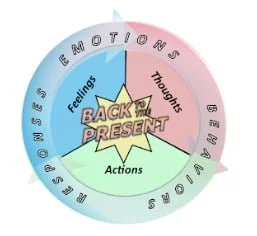
Figure 4-Manifestations and Intuitive Identity
Loving intention transforms our actions, feelings, and thoughts into Manifestations of grace. By aligning these with our values, we foster harmony within and around us. Grace, when practiced, integrates these int the intuitive aspects of our Identity, creating a harmonious and purposeful expression of who we are. We Manifest the intuitive portion of our Identity through our emotions, behaviors, and responses. When we act with kindness, respond with feelings of compassion, and think positively, we create a foundation for joy in our lives and in the lives of those we love (Figure 4-Manifestations and Intuitive Identity).
Example Through Grace: A colleague’s critique might trigger defensiveness or withdrawal. Practicing grace, you can:
Feelings and thoughts (Emotions): Recognize and accept your emotional state without judgment.
Thoughts and actions (Behaviors): Reframe the critique as constructive feedback, displaying understanding and not taking the critique personally.
Actions and feelings (Responses): Respond calmly, thank them for the constructive criticism, and seek clarification to improve the project if needed.
This approach fosters connection, balance, and understanding, demonstrating grace in action.
Reflective Practice: Reflect on a recent interaction. "Were my actions, feelings, and thoughts aligned with loving intention?"
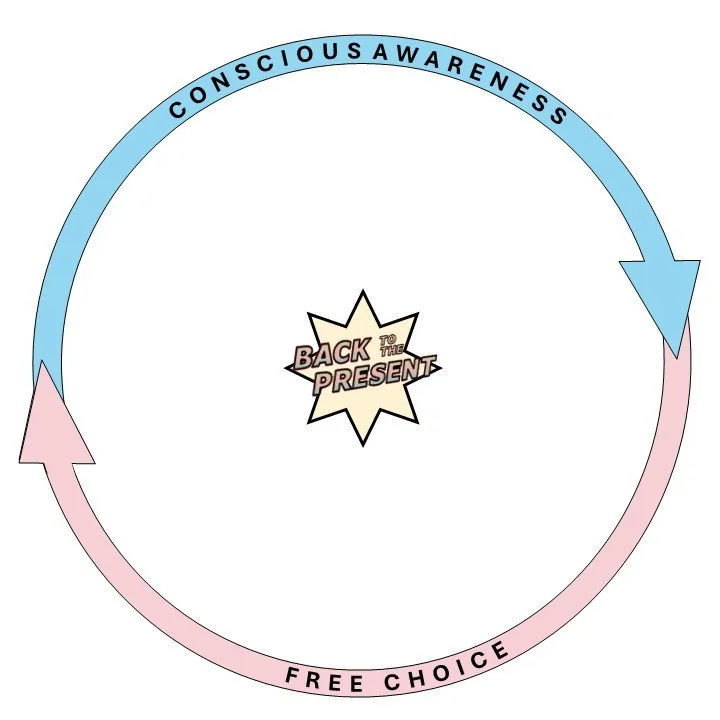
Figure 5-Unique Abilities
4. Conscious Awareness and Free Choice (Unique Abilities)
Grace empowers us to deliver on our Unique Abilities, conscious awareness and free choice. Our awareness of what loving intention can do as well as the ability freely choose to live implementing loving intention encourages us to make decisions rooted in mindfulness (Figure 5-Unique Abilities).
Example Through Grace: Imagine you’re about to react to an upsetting comment. With conscious awareness, you pause and recognize your emotional state—acknowledging anger or frustration without judgment. Then, through free choice, you intentionally respond with kindness and understanding, rather than reacting impulsively. This choice reflects grace in action, demonstrating how implementing loving intention transforms our feelings, thoughts, and actions into meaningful responses.
Reflective Practice: Consider a decision you made today. "Was it driven by grace and aligned with my highest purpose?"
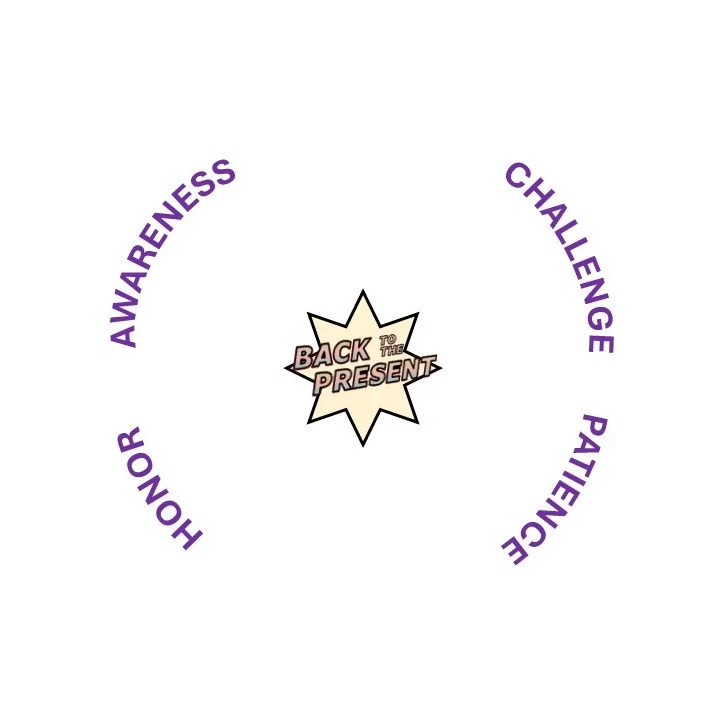
Figure 6-Obligations
5. Awareness, Challenge, Patience, and Honor (Obligations)
Grace transforms our Obligations into opportunities for growth. By applying loving intention to these Obligations, we can stay present and mindful, enhancing our relationships (Figure 6-Obligations):
Awareness: Recognizing what we are doing, feeling, and thinking in the present moment helps us approach situations with clarity and intention. For example, noticing frustration during a busy day provides an opportunity to pause and realign with our values.
Challenge: Embracing physical, emotional, and spiritual challenges with grace transforms obstacles into opportunities for growth. Viewing a disagreement as a chance to strengthen a relationship exemplifies this mindset.
Patience: Practicing patience—whether physically, emotionally, or spiritually—enables us to remain grounded in difficult situations helping us control our impulsivity. Waiting for a resolution without rushing allows us to act thoughtfully and with care.
Honor: Honoring our commitments and relationships fosters trust and respect. When we honor our physical, emotional, and spiritual selves by using loving intention, we improve our world and bring greater joy to ourselves and others. Grace reminds us to uphold these values even when inconvenient.
Example Through Grace: Facing a difficult conversation with awareness of your emotions, embracing the challenge of honest dialogue, practicing patience in listening, and honoring the relationship by responding respectfully demonstrates how grace operates through our Obligations.
Reflective Practice: Reflect on a challenge you faced recently. "How could I approach it with greater awareness, challenge, patience, and honor?"
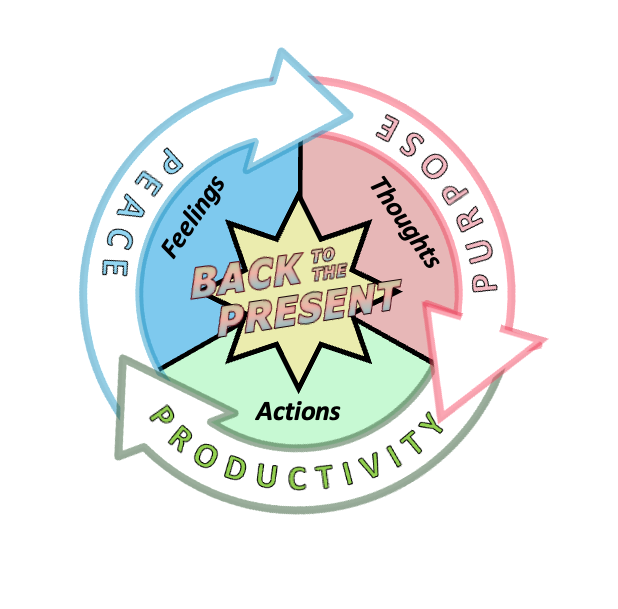
Figure 7-Agreements
6. Productivity, Peace, and Purpose (Agreements)
Loving intention ensures that our productivity is meaningful, our peace is maintained, and our purpose is fulfilled. Grace helps us focus our time and energy on these Agreements with ourselves and others by creating harmony between our physical, emotional, and spiritual Gifts and their intended use (Figure 7-Agreements).
Productivity: Living with loving intention enables us to prioritize meaningful tasks that align with our moral and ethical values rather than getting lost in busyness of our drive for financial success. By focusing on what truly matters, we accomplish goals with greater efficiency and satisfaction. For example, working on a project that contributes to the well-being of others allows us to feel both productive and fulfilled.
Peace: When we act with loving intention, we foster inner calm and emotional stability. Grace helps us approach conflicts with understanding rather than frustration, allowing us to maintain peace in our relationships and within ourselves. For instance, responding calmly during a disagreement helps us avoid escalating tension and preserves mutual respect.
Purpose: Purpose becomes clearer when guided by loving intention. Grace helps us focus on our deeper goals and passions, motivating us to contribute positively to the world and its inhabitants. For example, volunteering for a cause close to our heart connects us to a greater sense of purpose and joy.
Example Through Grace: Balancing work and rest with mindfulness creates a rhythm that sustains joy. For instance, dedicating focused energy to meaningful work during the day and prioritizing relaxation in the evening helps maintain both productivity and peace.
Reflective Practice: Ask yourself:
Am I honoring my need for peace while pursuing productivity and purpose?
How can I align my daily tasks with my deeper values and goals?
What steps can I take to foster harmony between action, rest, and intention?
7. Needs, Wants, and Desires (Satisfactions)
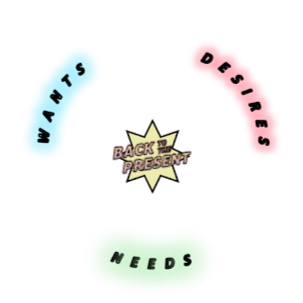
Figure 8-Satisfactions
Through grace, we recognize and prioritize our needs, wants, and desires with loving intention. These Satisfactions, when approached mindfully, create deeper joy and fulfillment by aligning with our values and purpose.(Figure 8-Satisfactions)
Needs: Meeting our essential needs, such as physical health, emotional stability, and spiritual connection, becomes easier when guided by loving intention. For instance, prioritizing sleep, nurturing supportive relationships, and seeking spiritual clarity reflect a balanced approach to fulfilling these needs with grace.
Wants: Our wants, though less critical than needs, add meaning and enrichment to life, providing us improved quality and quantity of life. By practicing loving intention, we distinguish between fleeting wants and those desires aligned with our higher purpose. For example, choosing to spend time with loved ones rather than indulging in superficial distractions honors what truly brings joy.
Desires: Desires often reflect our deepest aspirations and passions. When guided by loving intention, we pursue these desires in a way that respects our moral and ethical values and fosters connection with others. For instance, striving to achieve a personal goal, such as advancing a career that helps others, reflects the harmony between desire and grace.
Example Through Grace: Distinguishing between a fleeting impulse to buy material goods and a heartfelt desire to invest in experiences that nurture relationships and personal growth reflects the impact of loving intention. This discernment allows us to focus on what truly fulfills us.
Reflective Practice: Ask yourself:
Am I addressing my needs in a way that reflects grace and balance?
Are my wants aligned with what truly enriches my life?
How can I pursue my desires in a way that honors my values and benefits others?

Figure 9-Emotional States of Being
8. Contentment, Happiness, and Joyfulness (Emotional States of Being)
Loving intention allows us to transform fleeting emotions into lasting states of fulfillment by guiding how we experience and cultivate (Figure 9-Emotional States of Being) :
Contentment: By practicing gratitude and acceptance, loving intention helps us appreciate what we already have and find peace and contentment in the present moment. For example, reflecting on the relationships and opportunities in your life, rather than focusing on what’s missing, fosters a sense of wholeness.
Happiness: Happiness becomes more enduring when it stems from meaningful connections and purposeful living. Loving intention redirects us from superficial pleasures to activities and relationships that align with our values. For instance, prioritizing a heartwarming conversation with a loved one over mindless comfort, convenience, entertainment, and amusement builds emotional richness.
Joyfulness: True joy transcends fleeting happiness. Loving intention creates a foundation for joy by aligning our actions, feelings, and thoughts with our deepest values and purpose. Joyfulness allows us to take contentment—the Satisfaction of our needs—and elevate it into a profound and lasting state of fulfillment. Helping others, for example, brings immense joy because it reflects both compassion and higher purpose.
Example Through Grace: Imagine feeling overwhelmed by a hectic schedule. Practicing gratitude (contentment), choosing meaningful interactions over selfish distractions and engaging in purposeful emotions, behaviors, and responses like helping a friend (joyfulness) can transform your emotional state and restore balance.
Reflective Practice: Ask yourself:
What moments of contentment did I experience today, and how can I cultivate more?
How does loving intention influence the source of my happiness?
What actions align with my values to bring lasting joyfulness?
9. Instinct, Intellect, and Intuition (Sources of Knowledge)
Loving intention bridges and balances our Sources of Knowledge—instinct, intellect, and intuition—by helping us recognize their individual strengths and their alignment with our values.
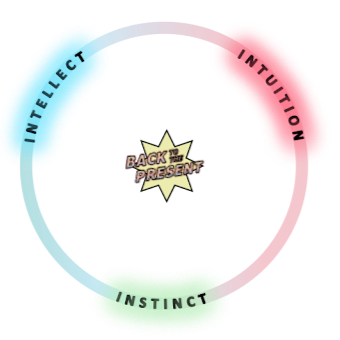
Figure 10-Sources of Knowledge
Instinct: Instinct offers immediate, survival-based reactions to meet need. When guided by loving intention, our instincts become tools for protecting and supporting ourselves and others. For example, an instinct to help someone in distress becomes an act of grace when rooted in compassion.
Intellect: Intellect provides the ability to use logic and reason to make decisions for what it is we want. Loving intention ensures that intellectual pursuits align with ethical and compassionate values. For instance, using knowledge to solve a problem collaboratively rather than competitively fosters connection and respect.
Intuition: Intuition reflects our inner wisdom and often guides us toward decisions aligned with our most significant desires. When recognized through loving intention, intuition becomes a trusted guide in navigating complex emotional or relational challenges. For example, trusting your intuition to address a friend’s unspoken need shows emotional awareness and empathy.
Example Through Grace: Balancing instinct, intellect, and intuition to respond to a challenging situation—such as comforting a grieving friend—demonstrates the integration of knowledge and grace. Your instincts urge you to offer immediate care, your intellect helps you find the right words, and your intuition guides you toward what the friend truly longs for in the moment.
Reflective Practice: Ask yourself:
How can I ensure my instincts are guided by compassion and care?
Are my intellectual pursuits aligned with my values and contributing to connection?
How often do I listen to and trust my intuition in making decisions?
10. Id, Ego, and Superego (Elements of Our Psyche)
The id, ego, and superego form the foundational Elements of Our Psyche, each influencing our emotions, behaviors, and responses when decision-making. When guided by loving intention, these elements align to help us meet our needs, wants, and desires in ways that reflect grace and balance.

Figure 11- Elements of Our Psyche
Id: The id represents our primal instincts, focusing on immediate gratification of needs. Loving intention transforms these impulses into actions that fulfill basic necessities without excess or harm. For example, recognizing hunger as a signal to nourish the body, rather than indulging in unhealthy habits, reflects grace in action.
Ego: The ego mediates between the id and the superego, helping us navigate reality using mainly our intellect and its understanding of logic and reason. When influenced by loving intention, the ego balances our needs and wants with societal expectations and personal moral and ethical values. For instance, setting boundaries in relationships to maintain emotional well-being demonstrates a harmonious ego (Figure 11-Elements of Our Psyche).
Superego: The superego represents our moral compass and higher aspirations. Guided by our intuitive Source of Knowledge the super ego ensures that our desires align with ethical values and contribute to personal growth and connection. For example, pursuing a career that benefits others while fulfilling personal goals reflects the integration of purpose and grace.
Example Through Grace: Imagine facing a financial decision: the id might push for immediate indulgence, the ego might weigh practicality, and the superego might advocate for long-term benefits. With loving intention, you choose an option that meets immediate needs, honors your values, and supports future goals.
Reflective Practice: Ask yourself:
"How can I guide my id to fulfill needs in a way that reflects grace?"
"Does my ego balance personal satisfaction with respect for others?"
"Are my desires shaped by my superego in alignment with my highest purpose?"
11. Impulse, Intention, and Implementation (Decision-Making)
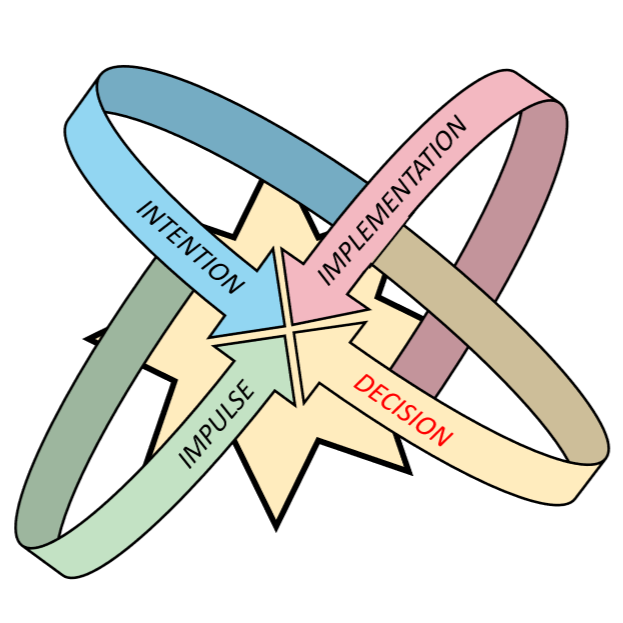
Figure 12-Decision-Making
Loving intention shapes our decision-making process by harmonizing our impulse, intention, and implementation to reflect grace and mindfulness (Figure 12-Decision-Making).
Impulse: Impulse represents the immediate, often instinctual reaction to a situation. When guided by loving intention, our emotional impulsiveness is tempered with awareness and compassion, allowing us to pause before acting. For example, feeling an urge to respond harshly during an argument can be redirected into a moment of reflection and thoughtful engagement.
Intention: Intention brings peace and purpose to our consciousness, helping us envision the possible outcomes we not only want but desire as well. Our intentions allow us to step back and reflect, allowing us to apply intellectual logic and reason when choosing our behaviors. Loving intention ensures that our decisions align with our core morals, ethics, and values to fulfill higher purpose. For instance, setting an intention to listen actively during a difficult conversation demonstrates a commitment to fostering understanding and connection.
Implementation: Implementation is where decisions take form through our behaviors and responses. Loving intention guides us to follow through with integrity and mindfulness, ensuring that we act in ways that resonate with our values. For example, following through on a promise to help a friend, even when it requires effort, reflects grace in action.
Example Through Grace: Imagine you feel the impulse to criticize a coworker’s mistake. By pausing (impulse), reflecting on your goal to maintain a supportive environment (intention), and offering constructive feedback instead of criticism (implementation), you demonstrate grace and uphold loving intention in your decision-making.
Reflective Practice: Ask yourself:
How can I use loving intention to pause and redirect my impulses?
Do my intentions align with my values and promote understanding?
Am I implementing my decisions in a way that reflects grace and mindfulness?
Grace as the Thread of Loving Intention
Grace weaves through each CRITICAL UNDERSTANDING, transforming them into actionable pathways toward a joyful life. Each CRITICAL UNDERSTANDING—from recognizing our physical, emotional, and spiritual gifts to aligning our actions, feelings, and thoughts, to balancing impulse, intention, and implementation—serves as a tool for navigating life’s complexities. By integrating these tools with loving intention, we enhance our ability to make mindful, purposeful decisions.
The practice of decision-making becomes an art when guided by grace. We learn to pause before acting, align our intentions with our core values, and implement choices that promote connection, fulfillment, and joy. These tools of loving intention enable us to honor our Gifts, Limited Resources and relationships, creating a life that embodies mindfulness and purpose.
By cultivating the ability to use these tools effectively, we empower ourselves to respond to challenges with grace, foster deeper relationships, and live with authenticity. Let loving intention guide every decision, transforming your actions, thoughts, and feelings into expressions of joy and connection. Let grace be the thread that unites these understandings into a cohesive, fulfilling journey.