
The Ripple Effect of Emotional Decisions: Breaking the Cycle of Karmic Burden Through Mindful Intentions
Introduction
Our emotions and decisions we make are intricately connected. The way we display our emotions through our feelings and thoughts shapes how we see ourselves, and believe others perceive us. This outward expression, or Intuitive Identity, is formed by the emotions, behaviors, and responses we project into the world (Figure 1-Intuitive Identity and Manifestations).
Quote: I like to say that “our emotions are not there to make decisions with, they are there to tell us how we would like to feel when we are done making the right decisions.”
Karmic Merit and Karmic Burden:
When we make decisions rooted in the intuitive knowledge of loving intention—driven by kindness, compassion, and thoughtful reflection—we generate karmic merit (Figure 1-Toolbox for a Joyful Life-The Tools of Loving Intention).
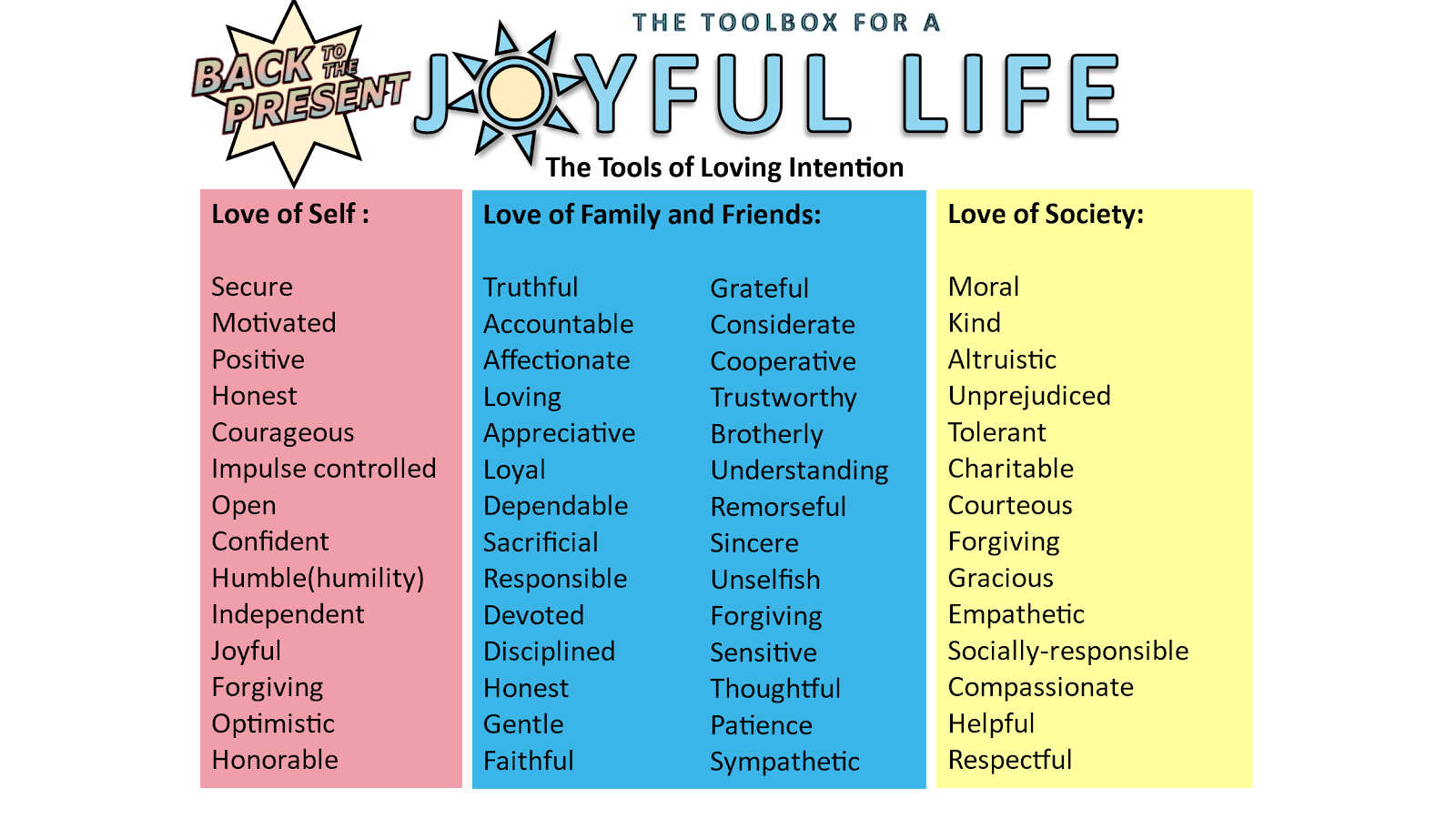
Figure 1-Toolbox for a Joyful Life-The Tools of Loving Intention
This positive energy spreads through our relationships and communities, fostering growth, understanding, and joy. On the other hand, acting impulsively based on negative emotions like fear, anger, sadness, or temptation (our F.A.S.T. EMOTIONS) creates a karmic burden—a lingering emotional weight that resurfaces over time, leading to regret and guilt, and interfering with our future joy. By using the tools of loving intention, we can consciously choose to create karmic merit instead of karmic burden, lightening the emotional load we carry forward.
How Negative Emotions Create a "Karmic Burden"
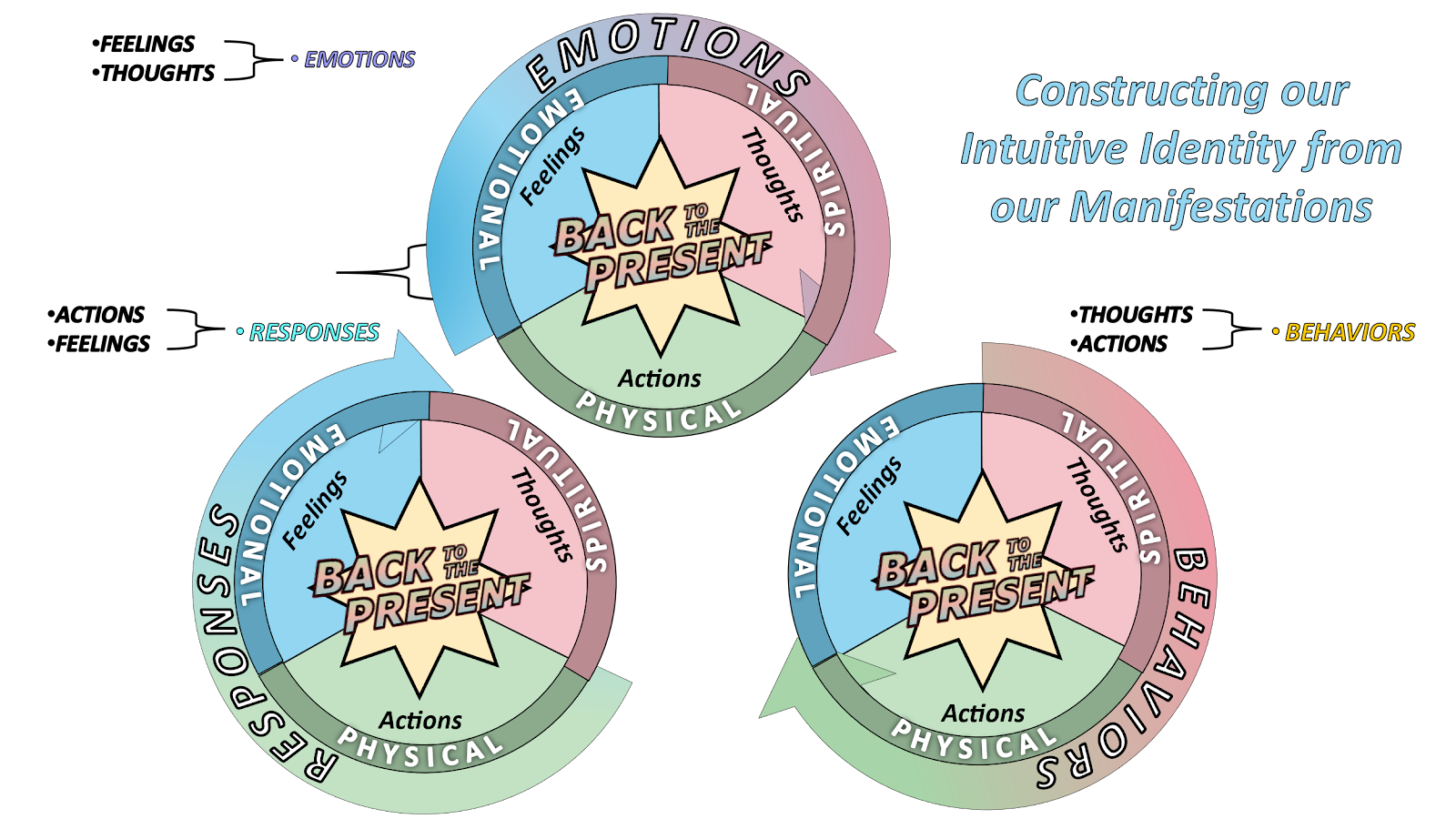
Figure 2-Intuitive Identity and Manifestations
When we act impulsively from a place of fear, anger, sadness, or temptation, we plant seeds of negativity that can grow into long-term emotional burdens. Instead of resolving conflict or easing discomfort, these impulsiveactions create feelings of guilt, regret, and unresolved tension. This emotional baggage accumulates over time, resurfacing whenever we're reminded of the situation. These unresolved feelings weigh us down, limiting our ability to experience peace and joy in the present.
Research: A study published in Psychological Science found that 72% of individuals who act on emotionalimpulses later experience regret. This highlights the importance of pausing before making decisions in emotionally charged situations, as it can prevent the creation of a karmic burden that weighs on us in the future.
Example: A person who lashes out in anger during an argument with a loved one may feel an immediate sense of satisfaction. However, guilt and regret for the harm caused often build up over time, clouding the relationship with resentment and preventing future connection. This lingering emotional weight, born of impulsive anger, becomes a karmic burden that interferes with their ability to find joy in future interactions.
Reflective Question: Can you recall a time when acting out of negative emotion created long-term emotional weight for you? How has that decision affected your ability to move forward with peace?
While the karmic burden can weigh heavily on us personally, the effects of our decisions don’t stop there. The energy we release, not simply through our emotions but our behaviors and responses as well ripples outward, affecting our relationships, communities, and even society at large.
The Ripple Effect: How Individual Actions Affect Others and Society
Our decisions—whether impulsive or thoughtful—create ripple effects that influence the lives of others and, by extension, society as a whole. Positive or negative, these ripples accumulate and shape the collective energy we contribute to our communities.
Research: The Journal of Personality and Social Psychology highlights that emotions—whether positive or negative—spread through social networks, influencing not only those directly involved but also individuals up to three degrees of separation. This means that when we act out of anger or sadness, the consequences extend beyond ourselves, affecting the well-being of others in our communities.
Emotional decisions rarely stay confined to the individual. For instance, an impulsive act of anger at work might hurt a colleague and also create a toxic work environment, lowering team morale and productivity. Similarly, emotionalimpulsivity in family life can leave lasting scars, altering relationship dynamics for years.
Example: Imagine a person who, after a difficult argument with their partner, impulsively decides to withdraw from the relationship. Instead of seeking resolution, they stop communicating and distance themselves emotionally. This emotional withdrawal leads their partner to feel abandoned, fostering resentment and misunderstandings. What could have been resolved with a conversation becomes a major unresolved issue, potentially leading to the deterioration of the relationship.
Reflective Question: Think of a time when sadness led you to withdraw from a relationship rather than addressing the issue. How did this affect your relationship, and what could have been done differently?
The choices we make in moments of emotionalimpulsivity can disrupt not only our lives but also the lives of those we touch. However, this cycle of negative karmic impact isn’t irreversible. With mindfulness and self-awareness, we can break free from this cycle, making decisions that create positive outcomes for ourselves and those around us.
Breaking the Cycle of Karmic Impact
The good news is that we possess an inherent "Toolbox" that allows us to break the cycle of karmic burden. Through mindfulness, self-awareness, and acting with loving intention, we can consciously make better decisions that positively impact both ourselves and others (Figure 1).
Research: The American Psychological Association (APA) found that individuals who frequently make decisions driven by negative emotions—such as fear or anger—are more likely to experience chronic stress and ANXIETY disorders. The APA emphasizes that practicing mindfulness in decision-making can significantly reduce emotional burdens and prevent the long-term karmic consequences of impulsiveactions.
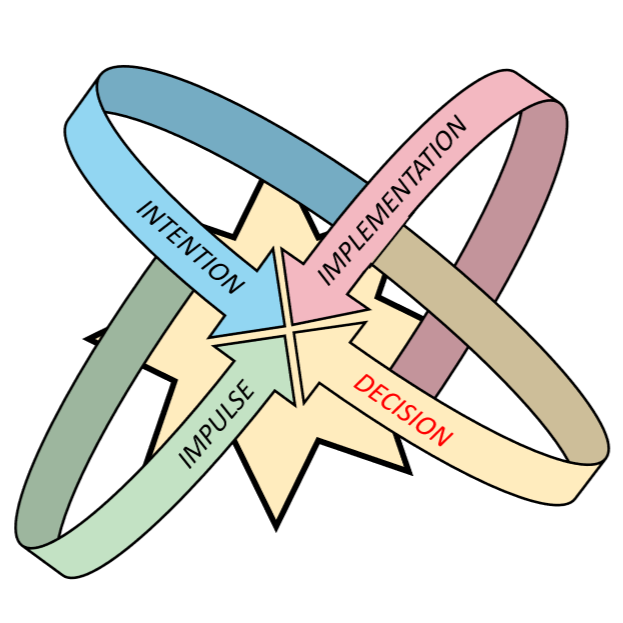
Figure 3-Decision Making
By using the tools of loving intention as a means of emotional regulation, we can replace impulsive actions with thoughtful decisions that lead to positive outcomes, rather than contributing to karmic debt or emotional strain (Figure 2).
Decision-Making is an essential part of our daily lives, but it often falls prey to the innate impulsivity that is hardwired into our beings. Our instincts may push us toward immediate reactions based on emotions like fear, anger, sadness, or temptation, which can cloud our judgment and lead to regretful choices. However, by acknowledging and controlling these impulses, we open the door to a more thoughtful approach (Figure 3-Decision Making).
This is where the power of clarifying or setting our intention—specifically, loving intention—comes into play. Loving intention is the conscious choice to align our decisions with the intuitive knowledge our ancestors have acquired and passed down over millennia. We have built in tools like compassion, patience, and empathy, ensuring that we are not only thinking of ourselves but also considering how our actions, feelings, and thoughts impact others. When we pause to clarify this intention, we give ourselves the space to evaluate whether our choices will lead to positive outcomes, both for us and for those around us.
By using loving intention as a guiding force, we can make decisions that are not only thoughtful but also purposeful. This leads to the next step in Decision Making; implementing the outcomes we desire while creating a ripple effect of positivity in our relationships and the broader community. This conscious approach, illustrated by the Toolbox for a Joyful Life (Figure 2), includes strategies like patience before reacting, reflecting on the source of our emotions, and choosing compassion over impulsivity.
Example: Consider someone who feels hurt by a close friend and, in a moment of sadness, impulsively decides to cut off contact without explaining their feelings. This decision creates emotional distance and fosters unresolved tension between them. However, by pausing to reflect and choosing to communicate with loving intention, they can express their feelings constructively, fostering understanding and healing. This shift from impulsive reaction to thoughtful intention allows for implementing choice to create positive outcomes.
Shifting from Reaction to Reflection
Rather than acting on negative emotions like fear, anger, or sadness, we can choose to pause and reflect on the emotion, understanding the long-term impact our behaviors and responses may have. This pause allows us to consider how our actions affect not only ourselves but also those around us. Each time we act out of kindness, patience, or compassion, we create or earn "karmic merit" instead of "karmic burden."
This conscious shift transforms impulsive reactions into intentionally thoughtful, purposeful implementation that lightens our karmic load and foster more meaningful, fulfilling relationships. The key is recognizing that we have the power to shift our emotional energy and shape our future interactions.
Conclusion: The Power of Conscious Decision-Making
The impact of our decisions extends far beyond the immediate moment. Acting impulsively on negative emotions creates a karmic burden that interferes with our future joy and spreads negativity to others. When we create karmic burden, there are going to be consequences we must deal with. This is how we can create ANXIETY and stress in our lives. However, by practicing mindful decision-making and living with loving intention, we can create karmic merit that enriches our lives and those around us. In doing so, we reclaim our power to shape a future filled with peace, joy, and fulfillment.