
Decision-Making-Balancing Needs (Impulses), Wants (Intentions), and Desires (Implementation)
When making decisions, it is crucial to balance the Id's physical impulsivity, which is driven by our needs; the Ego's emotional intentions, which aim to fulfill our wants; and the Super-ego's awareness, guided by spiritual knowledge, to achieve the changes we desire. This integrated approach ensures that our choices are well-considered and aligned with our long-term goals and values.
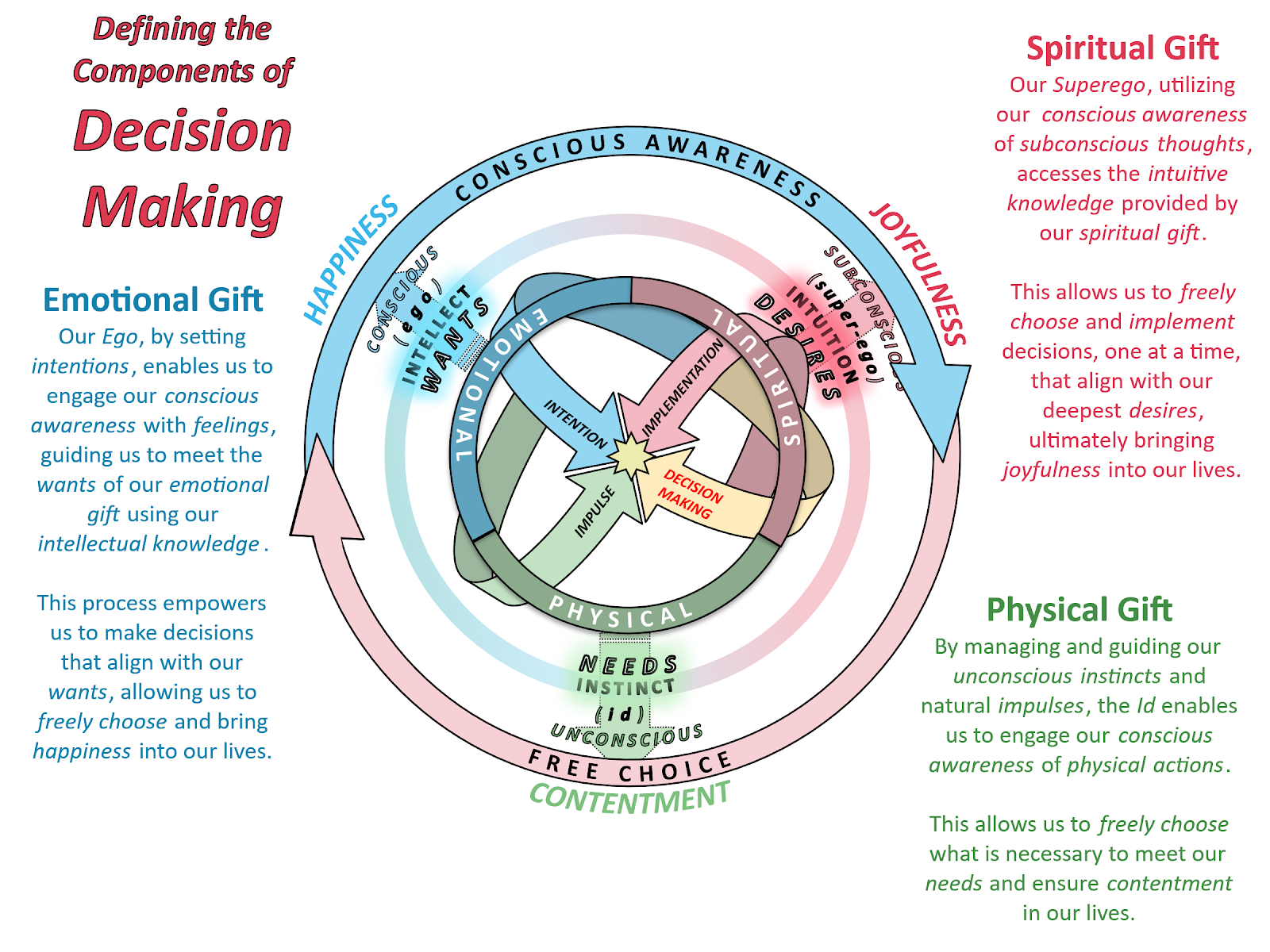
Figure 1-Decision Making with Unique Abilities, Three Gifts, Elements of our Psyche, and Satisfactions
Controlling Instinctual Primitive Impulses
The Id represents our most basic and primitive responses, focused on immediate survival and gratification of needs. These physical impulses are essential for addressing urgent needs but can lead to impulsive decisions that may not serve our long-term interests.
Recognition: The first step in controlling these impulses is recognizing them. Being aware of our immediate, gut reactions to fear, anger, sadness, or temptation allows us to pause and consider whether acting on them is truly beneficial.
Suppose you feel an immediate urge to eat an entire cake when you see it. Recognizing this impulse gives you a moment to pause and reconsider whether this action aligns with your health goals or long-term well-being.
Setting the Ego’s Emotional Intentions
The Ego mediates between our self-serving wants and the realities and expectations of the world. It shapes our emotional intentions, aiming to balance our wants with the desire of others.
Clarification: Setting clear emotional intentions involves understanding what we selfishly may want and what outcomes we recognize are best for all around us. This requires introspection and self-awareness.
In a heated argument, setting an intention to maintain a harmonious relationship may guide you to choose a calm and constructive approach rather than an impulsive, angry one.
Implementing Choices Using Intellectual and Intuitive Knowledge
The Super-ego represents our internalized ideals and moral standards, guided by spiritual access to higher knowledge. It helps us implement choices that are aligned with our highest values and long-term desires.
Intellectual Knowledge:
Application: Use logical reasoning and critical thinking to evaluate options and predict potential outcomes. Intellectual knowledge involves deliberate thought and analysis based on accumulated learning.
In a career decision, you might analyze job roles, salary prospects, and career growth opportunities to make an informed choice.
Intuitive Knowledge:
Integration: Intuitive knowledge draws from subconscious insights and experiences. It involves a deeper understanding that often feels right without the need for explicit reasoning.
When deciding on a business partnership, your intuition might tell you that a particular person is trustworthy and aligns with your values, even if you can't immediately explain why.
Implementation:
Step-by-Step: Implement your choices one step at a time, constantly evaluating and adjusting based on feedback and new information. This approach ensures that you remain flexible and adaptable.
Start by taking small steps, one at a time, towards your career change, such as researching the field, networking with professionals, and gaining relevant skills, while continually reassessing your progress and making necessary adjustments.
Conclusion
Effective decision-making requires a delicate balance between controlling our Id's physical impulses, setting clear emotional intentions through the Ego, and implementing choices using the Super-ego's spiritual knowledge. By integrating these elements, we can make decisions that are thoughtful, well-informed, and aligned with our long-term goals and values. This holistic approach ensures that our actions, feelings, and thoughts work together harmoniously, leading to better outcomes and a more joyful and fulfilling life.