
Creating Joy Through Mindful Decisions
The Power of Choice in Shaping Your Life
Have you ever found yourself standing in front of a crowded menu, paralyzed by the endless options? Or replayed a moment of frustration, wishing you had chosen kindness instead of anger? Every day, we are faced with countless decisions—small and large—that shape our experience of life. These choices may seem insignificant in the moment, but collectively, they determine whether we live a joyful life full of productivity, peace, and purpose or drift into dissatisfaction and suffering.
The complexity of choice is one of the top five Contributors of ANXIETY, alongside future perceptions, past burdens, relationship difficulties, and a lack of love of self.
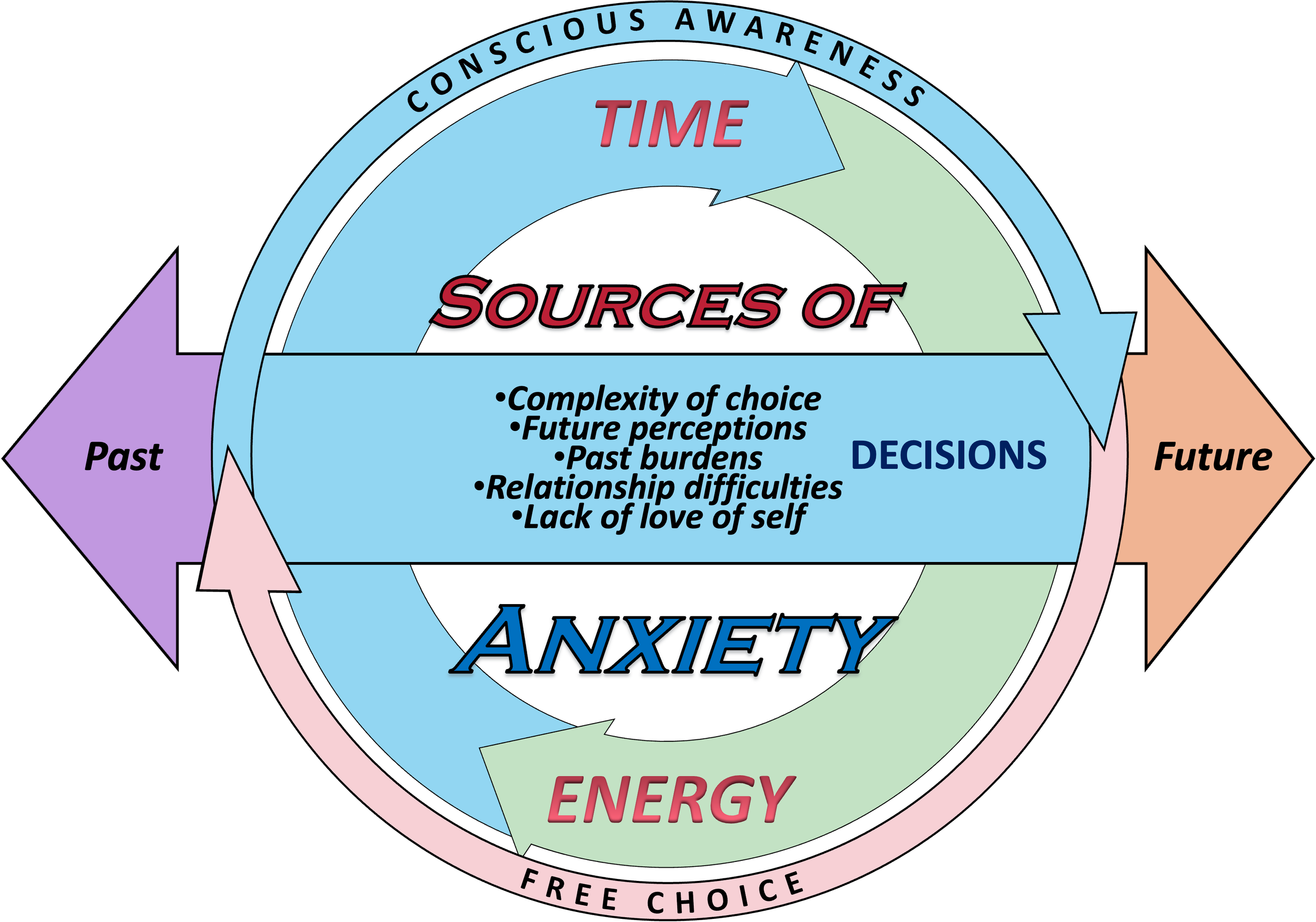
Figure 1-Contributors of ANXIETY and Unique Abilities
Yet, we possess the Unique Abilities of conscious awareness and free choice—the power to decide what we will do, feel, and think next (Figure 1 - Contributors of ANXIETY and Unique Abilities). When we make mindful decisions guided by values and loving intention, we simplify life, reduce suffering, and invite joy into our daily existence.
In this discussion, we’ll explore how prioritizing joy, loving intention, and purpose through mindful decision-making allows us to fulfill our Obligation to honor our physical, emotional, and spiritual Gifts. By using tools from the Toolbox for a Joyful Life (Figure 2-Toolbox for a Joyful Life), we can align our choices with what truly matters, creating lives filled with clarity, fulfillment, and connection.
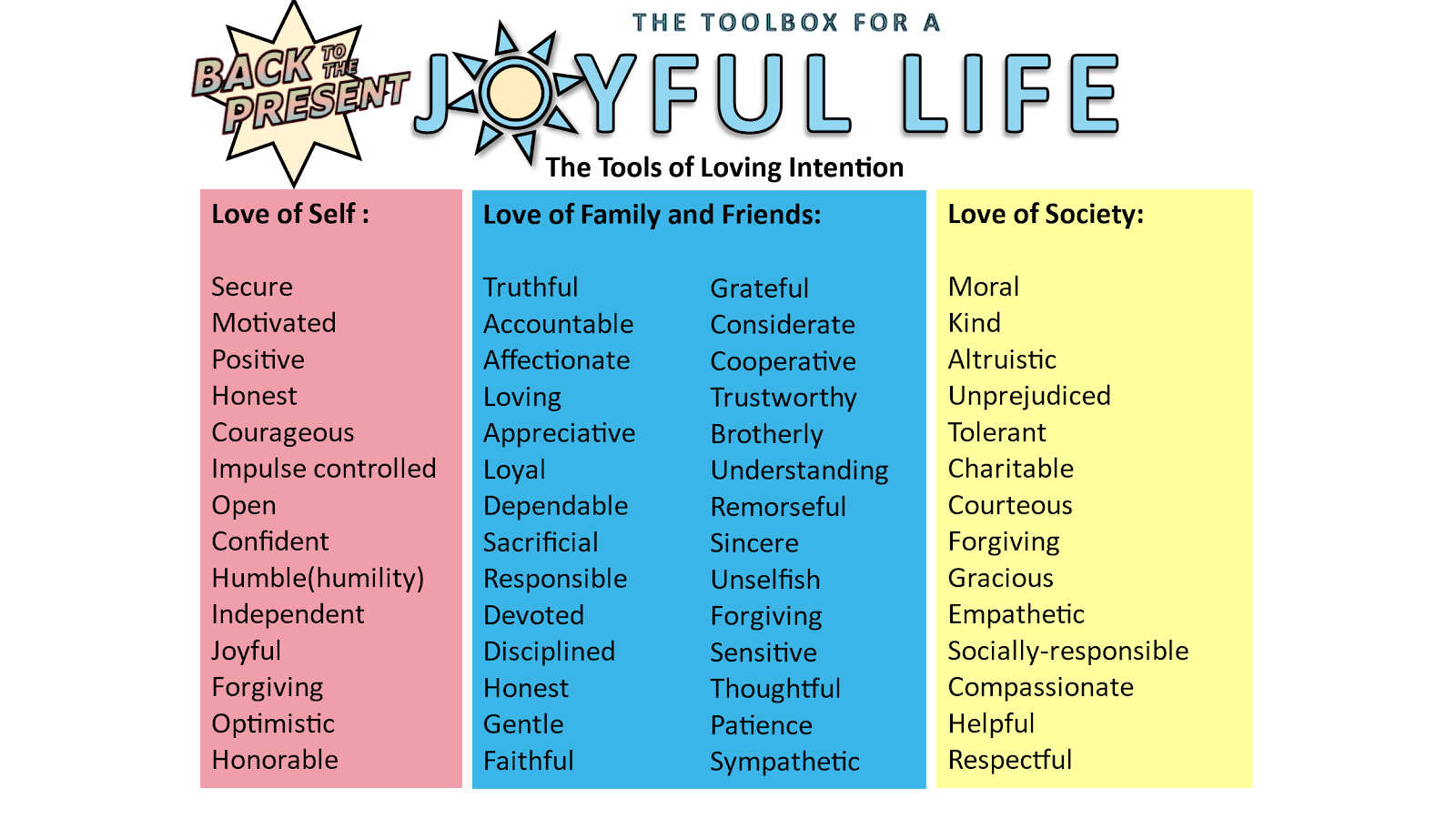
Figure 2-Toolbox for a Joyful Life
The Power of Mindful Decision-Making
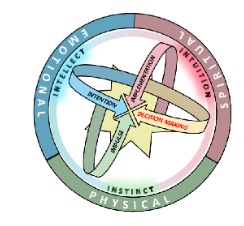
Figure 3- Decision Making
Mindful decisions are intentional choices guided by awareness, loving intention, and purpose. Rather than reacting impulsively or being swept away by distractions, mindful decision-making allows us to pause, reflect, and implement the responses that reduce suffering and create joy (Figure 3- Decision Making).
Why It Matters:
Every choice shapes our emotions, behaviors, and responses.
Acting with awareness allows us to break free from patterns of frustration, regret, or ANXIETY.
Mindful decisions keep us rooted in the present moment, where we can fully experience life.
Example:
Imagine starting your day feeling rushed and stressed. You snap at a family member over something small. Later, you regret your reaction and carry that tension into the rest of your day. Now imagine pausing before the impulsive reaction—taking a breath, choosing patience and kindness. That small shift transforms the interaction, leaving you and your loved one with peace rather than conflict.
Reflective Question: Think of a recent decision that brought you stress or regret. If you had paused to reflect, how might you have approached it differently?
Exercise: Decision Pause Practice
Instructions: Over the next week, practice “The Pause” when faced with a decision. Before responding or acting, ask yourself:
“Does this choice align with my values and gifts?”
“How will this decision make me feel—physically, emotionally, and spiritually?”
Reflection: Note how pausing before a choice shifts your mindset and outcomes.
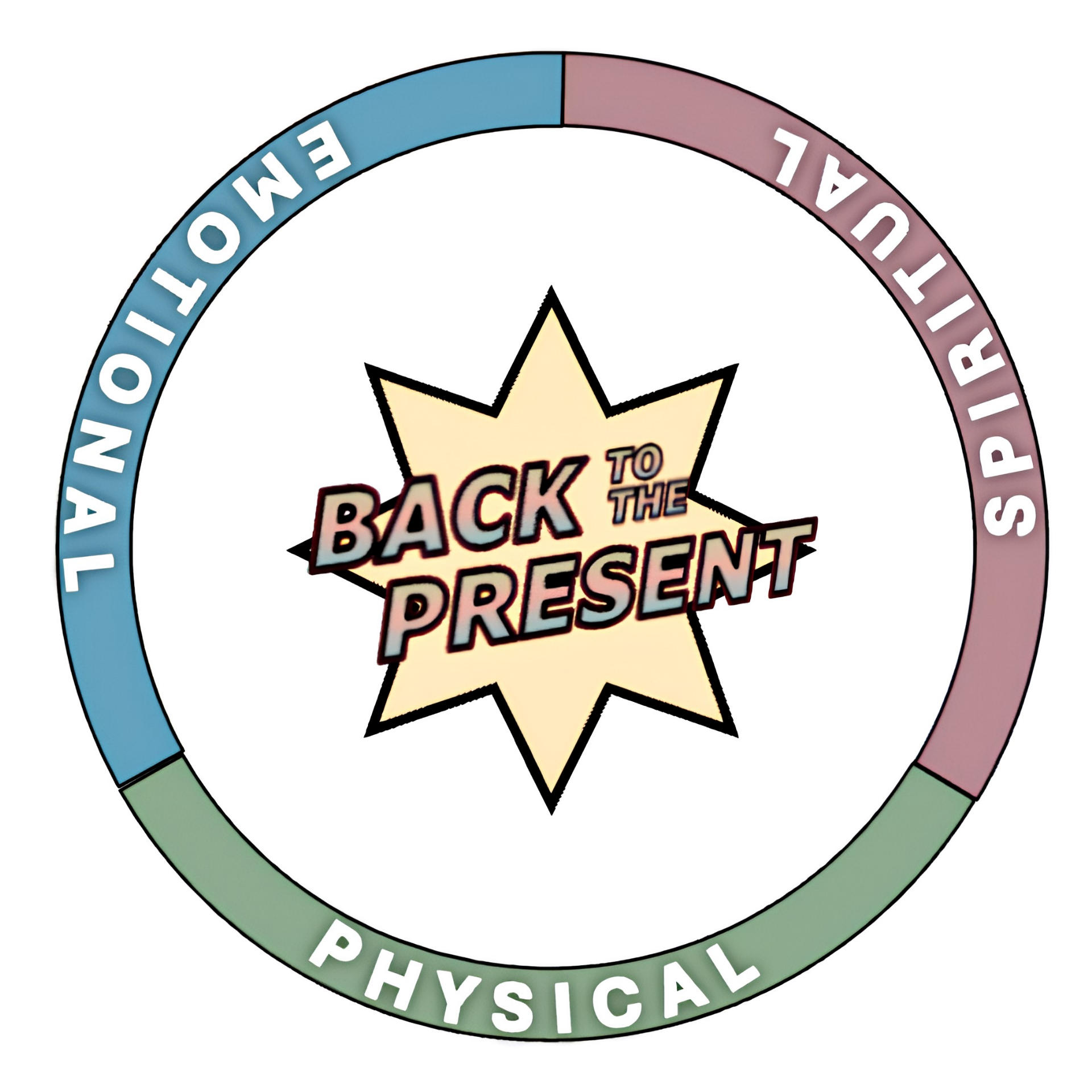
The Role of Our Three Gifts in Decision-Making (Figure 4-Gifts)
1. The Physical Gift: Choosing Productivity and Self-Care
Your physical Gift enables you to act in the world. However, neglecting rest, nourishment, or exercise/challenge often leads to fatigue, frustration, and suffering. Mindful decisions about how we care for our bodies allow us to maintain the energy needed for a productive, joyful life.
Practical Examples:
Rest: Instead of staying up late scrolling on your phone, choose to sleep earlier. A well-rested body gives you the energy to be clear, calm, and intentional.
Nourishment: Imagine choosing a balanced, nutrient-rich meal over junk food. You feel satisfied and energized rather than sluggish and regretful.
Challenge: Incorporate small, enjoyable forms of movement, like a morning stretch or evening walk.
Toolbox Connection:
Tools like discipline and gratitude help us honor our physical Gift without judgment. Discipline allows us to prioritize healthy routines, while gratitude reminds us to appreciate the body we have.
Reflective Question: Am I using my physical energy wisely, and how can I choose to care for my body today?
Exercise: Self-Care Check-In
Instructions: At the end of the day, reflect on:
Did I give my body the rest, nourishment, and movement it needed today?
What simple change can I make tomorrow to better honor my physical Gift?
2. The Emotional Gift: Choosing Peace, Love and Connection
Our emotional Gift allows us to feel deeply and connect with others. Yet, emotions like frustration or sadness often cloud our decisions, leading to suffering. Mindful emotional choices—like forgiveness, empathy, and kindness—transform relationships and bring peace.
Practical Examples:
After an argument: Instead of shutting down, choose communication and empathy. Pause, reflect, and ask, "What is the loving response in this moment?"
Self-compassion: Imagine journaling after a hard day to release tension rather than bottling up your feelings. This simple act honors your emotions and brings clarity.
Toolbox Connection:
Tools like patience, forgiveness, and communication guide emotional decisions, helping us respond thoughtfully rather than react impulsively.
Reflective Question: Am I expressing my emotions through the words that bring peace to myself and my relationships?
Exercise: Self-Care Check-In
Instructions: Spend 5-10 minutes journaling or expressing an emotion you’ve been holding onto (e.g., frustration, hurt, or gratitude). Ask yourself:
How can I use the tools of patience, communication, or forgiveness to release this emotion constructively?
Reflect on how this exercise makes you feel afterward.
3. The Spiritual Gift: Choosing Purpose and Intuition
Your spiritual Gift allows you to connect with deeper purpose and the guidance available through your intellect and intuition. Mindful decisions honor this Gift by aligning with your core values and trusting the wisdom within.
Practical Examples:
Facing a tough decision: Instead of overanalyzing, pause and ask, "Does this choice align with my purpose and values?" Listen to both the logic of intellect and the clarity of intuition.
Finding meaning: Imagine choosing to volunteer or spend time with loved ones rather than chasing temporary distractions. Such choices nurture joy and fulfillment.
Toolbox Connection:
Attributes like faith, humility, and hope provide the guidance needed to trust your decisions and stay aligned with your purpose.
Reflective Question: Am I listening to my intuition and making choices that fulfill my purpose?
Exercise: Purposeful Decision Reflection
Instructions: Think of a decision you are currently facing. Spend 10 minutes reflecting on:
Does this decision align with my values and purpose?
How does my intuition guide me in this choice?
The Stages of Decision-Making: Aligning Our Three Gifts
The decision-making process is a dynamic interaction between our physical, emotional, and spiritualGifts. Each stage—impulse, intention, and implementation—builds on the next, guiding us toward choices that align with our values for continued productivity, peace, and purpose. By understanding these stages, we can use our Gifts to make decisions that reduce suffering and create meaningful change.
1. Impulse: Acting Instinctively Through Our Physical Gift
At the first stage of decision-making, instinct drives our immediate reactions and behaviors. Rooted in our physicalGift, impulses are quick, automatic responses designed to meet our basic needs or address immediate situations.
Impulse ensures survival, helping us act swiftly in moments of urgency or uncertainty.
Example: You pull your hand back instinctively when you touch something hot.
Why It Matters: While instinct is necessary for immediate action, relying solely on impulse can lead to choices that prioritize short-term relief over long-term fulfillment. By pausing to engage the other stages, we can refine impulsive decisions to better align with our values.
2. Intention: Setting Direction Through Our Emotional Gift
The second stage of decision-making involves our intentions, shaped by the logic, reason, and awareness provided by our intellect. This stage draws on our emotionalGift, allowing us to consider our values, priorities, and the potential consequences of our choices.
Intention aligns decisions with not only our needs, but our wants as well, guiding us toward thoughtful, deliberate actions.
Example: After noticing an unhealthy habit, you decide to prioritize exercise and healthier eating to feel stronger and more energetic.
Why it Matters: Our intentions can sometimes be clouded by the selfish desires of our ego, leading us away from choices that align with our values and purpose. Clear intentions, however, provide us with a thoughtful vision of what we want to accomplish—both in the short-term and long-term. By engaging our intellect, we use logic and reason to not only set goals but also consider the emotional impact of our decisions. Intention helps us focus on how we want to feel once the right decision has been made, ensuring that our choices bring clarity, balance, and fulfillment.
3. Implementation: Creating Change Through Our Spiritual Gift
The final stage of decision-making is implementation, where we act to implement our intentions using the clarity and guidance provided by our intuition. This stage connects to our spiritualGift, enabling us to bring meaningful change into the world.
Implementation allows us to transform intentions into reality, creating results that align with both peace and purpose, bringing fulfillment.
Example: After setting an intention to reconnect with a loved one, you trust your intuition to guide you to implement a heartfelt conversation that deepens the relationship.
Why it Matters: Intuition brings emotional and spiritual clarity when intellect and instinct fall short. By trusting the guidance available to us, we act with confidence and faith.
Bringing It All Together: A Balanced Decision-Making Process
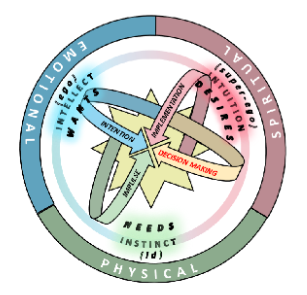
Figure 5-Gifts, Satisfactions, Elements of Psyche, Sources of Knowledge in Decision Making
The adjacent image beautifully illustrates how impulse, intention, and implementation form a continuous, interconnected process. When we use all three stages—grounding ourselves in instinct, refining choices with intellect, and trusting intuitive guidance—we align our physical, emotional, and spiritual Gifts to make decisions that serve ourselves and others (Figure 5-Gifts, Satisfactions, Elements of Psyche, Sources of Knowledge in Decision Making).
Summary of the Stages:
Impulse (Physical Gift): Quick, id driven, instinctive reactions to immediate needs.
Intention (Emotional Gift): Thoughtful direction set with ego driven want, using intellectual logic and reason.
Implementation (Spiritual Gift): Super ego guided action using intuition to bring intentions to life to provide us what it is we desire.
Practical Reflection for Decision-Making
When faced with a decision:
Impulse: What is my initial reaction, and what need is it addressing?
Pause and Reflect: Before making a choice, ask: “Does this decision align with my values and bring me closer to joy?”
Intention: What logic and reason can guide me to act with peace and purpose?
Simplify Choices: Reduce decision fatigue by creating routines or prioritizing what matters most.
Implementation: How can I trust my intuition to act in alignment with my highest purpose?
Use the Toolbox: Turn to attributes like patience, faith, and gratitude to guide your actions, feelings, and thoughts.
Stay Present: Focus on the current moment rather than worrying about the past or future.
By integrating these stages with the Toolbox for a Joyful Life, we simplify our choices, honor our Gifts, and make decisions that bring us closer to joy, balance, and fulfillment.
Practical Strategies for Making Mindful Decisions
Exercise: Evening Reflection Practice
Instructions: At the end of each day, ask yourself:
What decisions brought me closer to joy today?
What decisions caused me stress or suffering?
How can I choose differently tomorrow?
Conclusion: The Joy of Mindful Decisions
Every choice you make is an opportunity to invite joy, connection, and fulfillment into your life. By honoring your physical, emotional, and spiritualGifts, and using the Toolbox for a Joyful Life to guide you, you reduce unnecessary suffering and simplify your existence.
Remember: You are in charge of your consciousness. You have the power to decide what you will do, feel, and think next. Why choose suffering when you can choose joy? Each mindful decision creates a ripple effect—uplifting you, your loved ones, and the world around you.
Reflective Questions:

What small decision can I make today that aligns with my values and brings me joy?
How will I use my physical, emotional, and spiritual Gifts to create a life that fulfills my Agreements of productivity, peace, and purpose (Figure 6- Agreements)?
Take a moment to pause, reflect, and choose joy. One decision at a time, you can create the life you truly desire.