
Decision-Making with Loving Intention
What if every decision you made could foster harmony and well-being, not just for yourself but for those around you? Decision-making with loving intention, as shown in the Toolbox for a Joyful Life below, encourages us to consider the broader impact of our choices, aiming to avoid causing suffering and to promote positive outcomes (Figure 1- Toolbox for a Joyful Life). This discussion explores how such decisions can lead to more fulfilling and compassionate relationships.
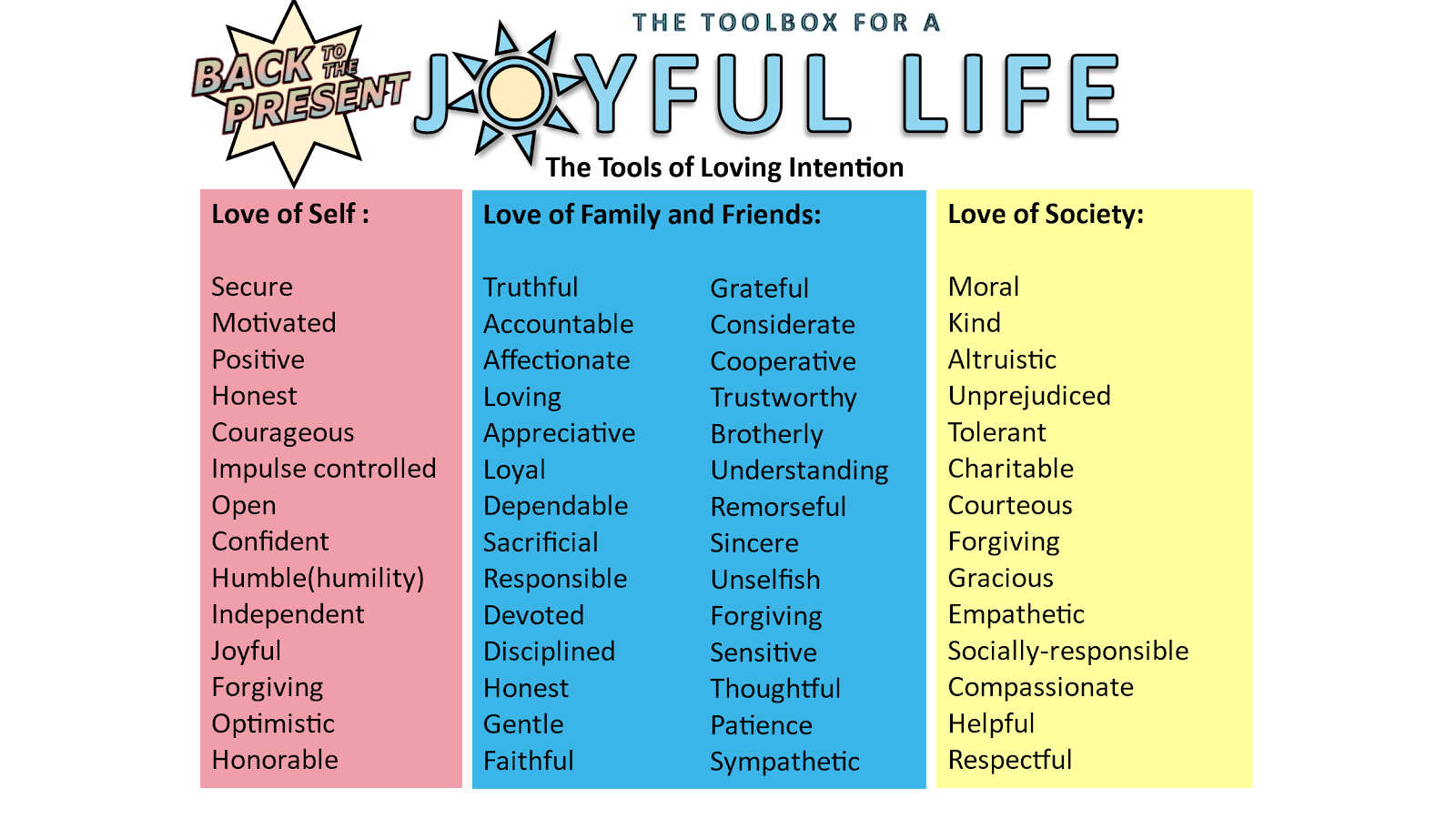
Figure 1- Toolbox for a Joyful Life
Avoiding Suffering for Oneself and Others Through Decisions
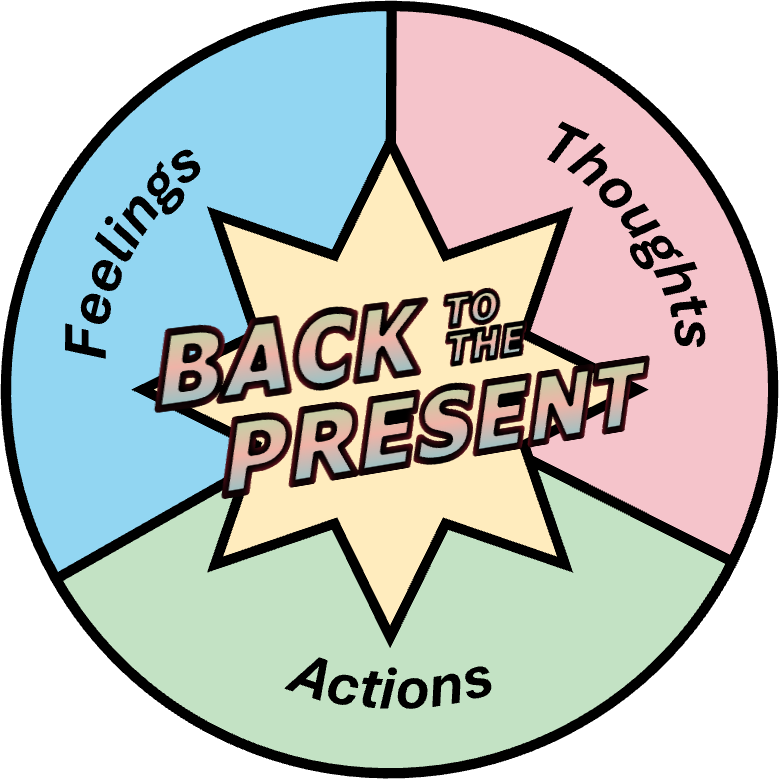
Figure 2-Manifestations
Making decisions with loving intention involves a conscious effort to consider the well-being of ourselves and others. This self-aware approach encourages us to think beyond immediate wants and short-term gains, focusing instead on the long-term impact of our actions, feelings, and thoughts. After-all this is how we manifest our existence in this and every moment (Figure 2-Manifestations).
Anecdotal Example: Consider a manager faced with the decision of laying off employees to cut costs. A decision made without loving intention might involve abrupt layoffs without considering the personal and emotional toll on the employees. In contrast, a manager who makes the decision with loving intention might explore alternative solutions first, such as reducing hours, offering voluntary early retirements, or providing robust support and resources for those affected.
Interactive Question: Think about a recent decision you made. Did you consider the impact it would have on others? How might approaching the decision with loving intention have altered the outcome?
Examples of Decisions Made with and Without Loving Intention
With Loving Intention:
Forgiveness Over Retaliation:
Scenario: A friend betrays your trust.
Decision with Loving Intention: Choosing to forgive and discuss the issue calmly to rebuild trust, rather than seeking revenge or cutting off the friendship.
Outcome: This decision fosters understanding and potentially strengthens the relationship.
Anecdotal Example: Sarah decided to forgive her friend who had spread a rumor about her. Instead of confronting her friend with anger, Sarah calmly explained how the rumor hurt her. This approach led to a heartfelt apology and a stronger bond between them.
"Forgiveness does not change the past, but it does enlarge the future." — Paul Boese.
Interactive Question: Recall a time when you had to decide whether to forgive someone. How did your choice affect your relationship and your own well-being?
Inclusive Over Exclusive:
Scenario: Planning a team event at work.
Decision with Loving Intention: Ensuring that the event is inclusive and accommodates everyone's needs, rather than planning it based solely on your preferences.
Outcome: This creates a sense of belonging and respect among team members, enhancing team cohesion and morale.
Anecdotal Example: During a team-building retreat, John made sure to consider dietary restrictions and accessibility needs, ensuring everyone felt included. This thoughtful planning led to a more enjoyable and successful event.
Interactive Question: How do you ensure inclusivity in your social or professional gatherings? What impact does this have on the group dynamic?
Empathy Over Indifference:
Scenario: A colleague is struggling with a heavy workload.
Decision with Loving Intention: Offering help or suggesting ways to manage the workload better, rather than ignoring their struggle.
Outcome: This builds a supportive work environment and strengthens professional relationships.
Anecdotal Example: Emily noticed her coworker, Mark, was overwhelmed with a project. She offered to assist him during her free time. This act of empathy not only eased Mark's stress but also fostered a collaborative spirit in their workplace.
Interactive Question: Reflect on a time when you offered support to someone in need. How did it affect your relationship and the overall environment?
Without Loving Intention:
Retaliation Over Forgiveness:
Scenario: A neighbor damages your property.
Decision without Loving Intention: Taking legal action immediately without attempting to resolve the issue amicably.
Outcome: This escalates conflict and creates long-term animosity.
Anecdotal Example: When Tom's neighbor accidentally damaged his fence, Tom chose to sue instead of discussing a resolution. This decision strained their relationship and led to a bitter legal battle.
Interactive Question: Consider a conflict you've experienced. How might a different approach, one with loving intention, have changed the outcome?
Exclusivity Over Inclusivity:
Scenario: Organizing a birthday party.
Decision without Loving Intention: Only inviting close friends and ignoring acquaintances who might also appreciate being included.
Outcome: This can lead to feelings of exclusion and hurt among those not invited.
Anecdotal Example: Rachel's selective invitation list for her birthday party left some friends feeling excluded and hurt, damaging her social relationships.
Interactive Question: How do you decide whom to include in your social events? What are the potential benefits of being more inclusive?
Indifference Over Empathy:
Scenario: A family member expresses feelings of loneliness.
Decision without Loving Intention: Ignoring their feelings or dismissing them as unimportant.
Outcome: This can lead to deeper emotional issues and a breakdown in family communication.
Anecdotal Example: When David's mother expressed feeling lonely after his father passed away, he initially brushed it off, thinking she would get over it. This indifference strained their relationship until he decided to spend more time with her and listen empathetically.
Interactive Question: Reflect on a time when someone close to you expressed their feelings. How did your response impact your relationship?
How Using Loving Intention to Make Decisions Reduces ANXIETY
Making decisions with loving intention can significantly reduce ANXIETY by fostering a sense of purpose, promoting positive relationships, and encouraging a mindful approach to life's challenges. Here’s how:
Clarity and Purpose:
Insight: When decisions are guided by loving intention, they are aligned with core values such as empathy, kindness, and compassion. This alignment provides a clear sense of purpose and direction, reducing the uncertainty that often fuels ANXIETY.
Example: Jane, a manager, faced a tough decision about implementing budget cuts. By approaching the decision with loving intention, she focused on minimizing the impact on her team, opting for a temporary salary reduction rather than layoffs. This choice aligned with her values of empathy and fairness, reducing her ANXIETY about making the right decision.
Strengthened Relationships:
Insight: Decisions made with loving intention often result in positive interactions and strengthened relationships. This support network can provide emotional security and reduce feelings of isolation, which are common sources of ANXIETY.
Example: Mark consistently makes an effort to communicate openly and considerately with his family. This has fostered a supportive and understanding environment at home, where issues are discussed and resolved collaboratively, reducing overall family ANXIETY.
Mindfulness and Presence:
Insight: Loving intention encourages a mindful approach to decision-making, focusing on the present moment and the immediate impact on oneself and others. This mindfulness helps reduce the tendency to ruminate on potential negative outcomes, a major contributor to ANXIETY.
Example: Emma practices mindfulness by considering how her decisions will affect her and those around her right now, rather than worrying excessively about the future. This approach helps her stay grounded and calm.
Positive Feedback Loop:
Insight: Decisions made with loving intention often lead to positive outcomes, which reinforce the benefits of this approach and build confidence in one’s decision-making abilities. This positive feedback loop can alleviate ANXIETY about future decisions.
Example: After seeing the positive impact of her decisions at work, Rachel feels more confident and less anxious about her role as a leader. Her team’s improved morale and productivity provide constant reinforcement that her approach is effective.
Reduced Conflict:
Insight: Approaching decisions with loving intention can minimize conflicts and misunderstandings. By considering others’ perspectives and striving for inclusive solutions, potential sources of stress and ANXIETY are reduced.
Example: John always tries to include his team’s input when making decisions. This inclusive approach has reduced workplace conflicts and created a collaborative atmosphere, decreasing his stress levels.
Enhanced Self-Compassion:
Insight: Loving intention involves self-compassion, allowing individuals to be kinder to themselves when facing difficult decisions. This self-compassion reduces self-criticism and ANXIETY about making mistakes.
Example: Lisa used to be very hard on herself when she made mistakes. By adopting a mindset of loving intention, she now treats herself with more kindness and understanding, which has significantly reduced her ANXIETY.
Conclusion
Decision-making with loving intention is a powerful way to foster harmony, understanding, and well-being in our lives and the lives of others. By considering the impact of our choices and striving to act with empathy, forgiveness, and inclusivity, we can avoid causing unnecessary suffering and build stronger, more compassionate relationships.
Call to Action
Embrace Loving Intention in Your Decisions
To make decisions with loving intention, consider the following steps:
Pause and Reflect: Before making a decision, take a moment to consider its impact on yourself and others, this is what self-awareness entails. Ask yourself if it aligns with your values of empathy, forgiveness, and inclusivity.
Practice Empathy: Put yourself in others' shoes. Try to understand their feelings and perspectives before making a decision.
Communicate Openly: Engage in honest and open communication with those affected by your decisions. This helps build trust and mutual understanding.
Seek Forgiveness and Offer It: When conflicts arise, prioritize forgiveness over retaliation. This fosters healing and reconciliation.
Be Inclusive: Strive to include and consider the needs of others in your decisions. Inclusivity promotes a sense of belonging and respect.
By integrating loving intention into your decision-making process, you can create more positive outcomes for yourself and those around you. Visit backtothepresent.org for more resources and guidance on making compassionate and intentional decisions.