
The Cognitive Tools for Decision Making - How to Manage Anxiety
Working Memory and Its Role in Decision-Making
In a world where we're constantly bombarded with information and faced with countless decisions, managing ANXIETY has become more challenging than ever. However, by strengthening cognitive tools like working memory, we can better navigate these challenges, make informed decisions, and live more fulfilling and joyful lives.
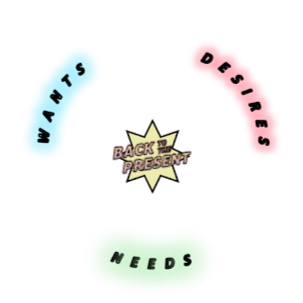
Figure 1 - Satisfactions
Understanding Working Memory
Working memory is the mental workspace that helps us juggle multiple pieces of information simultaneously. It is like your brain’s notepad. It’s where you temporarily hold and work with information while you’re solving problems, planning your day, or making decisions. This mental workspace helps you stay focused, filter out distractions, and make informed choices based on your current needs, wants, and desires (Figure 1 - Satisfactions).
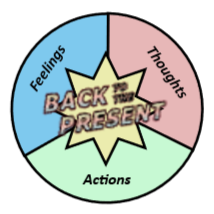
Figure 2 - Manifestations
How Working Memory Helps Manage Anxiety
Working memory is crucial for managing ANXIETY because it keeps you anchored in the present moment while also allowing you to consider the consequences of your actions, feelings, and thoughts (Figure 2 - Manifestations). When ANXIETY creeps in, it often floods your mind with worries, making it difficult to concentrate. A strong working memory helps you process these anxious feelings and thoughts effectively, preventing them from overwhelming your decision-making process.
Example: Imagine you’re preparing for an important presentation. ANXIETY might cause you to worry about everything that could go wrong, making it hard to focus on your preparation. However, with a strong working memory, you can keep track of your key points, manage your time efficiently, and stay calm, even as you make last-minute adjustments (Figure 3 - Limited Resources).
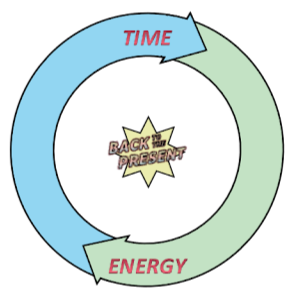
Figure 3 - Limited Resources
Working memory helps you stay focused on what’s important, even when ANXIETY tries to take over. It’s like having a mental notepad where you can jot down and organize your thoughts, so they don’t overwhelm you.
Now that we understand the importance of working memory in managing ANXIETY, let's explore some practical strategies for improving this cognitive tool and making better decisions.
Practical Tips: Strengthening Your Working Memory
To better manage ANXIETY and improve decision-making, it’s important to strengthen your working memory. Here are some practical techniques:
Chunk Information into Manageable Pieces:
Break down big tasks into smaller, more manageable chunks. This reduces cognitive overload and makes it easier to remember and use information.Use Memory Aids (Mnemonic Devices):
Create simple memory aids to help you retain important information. For instance, use acronyms like "F.A.S.T." (Fear, Anger, Sadness, Temptation) to recall emotions that often trigger impulsive reactions that result in ANXIETY.Example: Imagine you're in a heated argument. Your instinct might be to react impulsively, driven by F.A.S.T. EMOTIONS. However, with a strong working memory and clear intentions, you can take a moment to pause, consider the long-term effects of your words, and choose a response that aligns with your values.
Engage in Brain-Training Exercises:
Regularly challenge your brain with puzzles, memory games, or apps designed to improve cognitive function. These exercises can sharpen your mind and enhance your ability to manage ANXIETY.Practice Focused Breathing:
The "4-7-8" breathing technique is particularly effective: Inhale for 4 seconds, hold for 7, and exhale for 8. This practice calms your mind and helps you stay focused on what’s important.Use Visualization Techniques:
Before starting a task, visualize each step in your mind. This mental rehearsal keeps you focused and helps prevent ANXIETY from distracting you.Incorporate Regular Meditation:
Spend a few minutes each day in mindfulness meditation, focusing on your breath or repeating a calming mantra. This practice helps clear your mind, improving both focus and working memory.
Working Memory and Modern Challenges
Why Working Memory Is More Important Than Ever
In today’s fast-paced world, we are engulfed with sensory overload and experiencing way too much emotional distraction. This results in cognitive challenges such as ADHD, which is increasingly common, making it difficult to focus, manage distractions, and stay organized. These challenges are closely tied to the functioning of working memory, which plays a crucial role in managing ANXIETY and maintaining cognitive efficiency.
Research and Data:
Impact of ANXIETY on Working Memory:
Research published in Cognition and Emotion highlights that high ANXIETY levels are associated with decreased working memory performance. ANXIETY can impair the brain's ability to hold and manipulate information, leading to difficulties in concentration and decision-making.Attention Deficit Disorders and Working Memory:
According to the CDC, about 9.4% of children in the U.S. “have” ADHD. Many of these children also experience ANXIETY, making it essential to address working memory issues early on to help them manage both challenges effectively.Intriguing Question: If we are the only animal capable of knowingly paying attention to what it is we are doing, feeling, and thinking, how can we not be able to do this?
Example:
Consider a student with ADHD who feels anxious about an upcoming exam. ANXIETY makes it hard to concentrate, and ADHD complicates organizing study materials. Strengthening working memory through mindfulness exercises, breaking tasks into smaller steps, and using organizational tools can help the student manage both ANXIETY and ADHD more effectively.
In summary, working memory is a powerful tool that can help you manage ANXIETY and make better decisions. By incorporating the strategies discussed here—like breaking down complex tasks, using memory aids, and practicing mindfulness—you can take control of your cognitive health and live a more balanced, intentional life. Start today, and notice how these small changes can make a big difference.
Managing ANXIETY with Cognitive Tools
Practical Strategies for Better Decision-Making: (Figure 4-Decision Making)
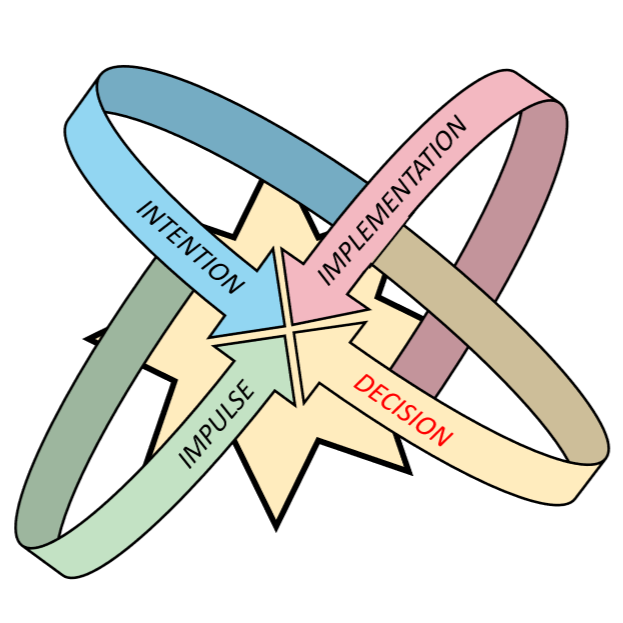
Figure 4-Decision Making
Control Impulsive Reactions:
When we let our primitive instincts take over, we often react based on our F.A.S.T. EMOTIONS—fear, anger, sadness, and temptation. Acting impulsively with these emotions, behaviors, and responses can lead to decisions that cause or create suffering, both for ourselves and for others who are affected by our choices. We must learn how to control our impulsiveness.
Working memory allows you to hold and manipulate information in real-time, which is essential for impulse control. When faced with a situation that might trigger an impulsive reaction, working memory enables you to:
Pause and Reflect: Instead of acting on instinct, you can hold back your immediate emotions, behaviors, and response and consider the potential consequences of your actions, feelings, and thoughts. This reflection is key to controlling impulses.
Access Relevant Information: You can retrieve information from your past experiences, such as the outcomes of previous impulsive decisions, and use that knowledge to guide your current behavior.
Weigh Options: Working memory lets you consider multiple options and outcomes before making a decision, helping you choose a more measured and thoughtful response rather than acting on a fleeting emotion.
2. Clarify Your Intentions
Every decision we make has consequences that can ripple out, affecting not only ourselves but others as well. In today’s world, where we are faced with countless choices, it’s essential to be clear about our intentions when making decisions. Our intellect can sometimes lead us to focus on endless possibilities of what we could want, believing that this will make us happy. However, joyfulness, our truest Satisfaction, oftentimes is the result of being clear in our intention to nurture good relationships with others.
To ensure our decisions are aligned with what we truly value, we can turn to the intuitive tools of loving intention found in the Toolbox for a Joyful Life (Figure 5-Toolbox for a Joyful Life). These tools—including compassion, patience, thoughtfulness, and empathy—help guide us toward decisions that strengthen our connections with others. By keeping our ego in check and allowing our higher self (or super-ego) to provide guidance, we direct our intentions toward what truly matters: meaningful, positive relationships.
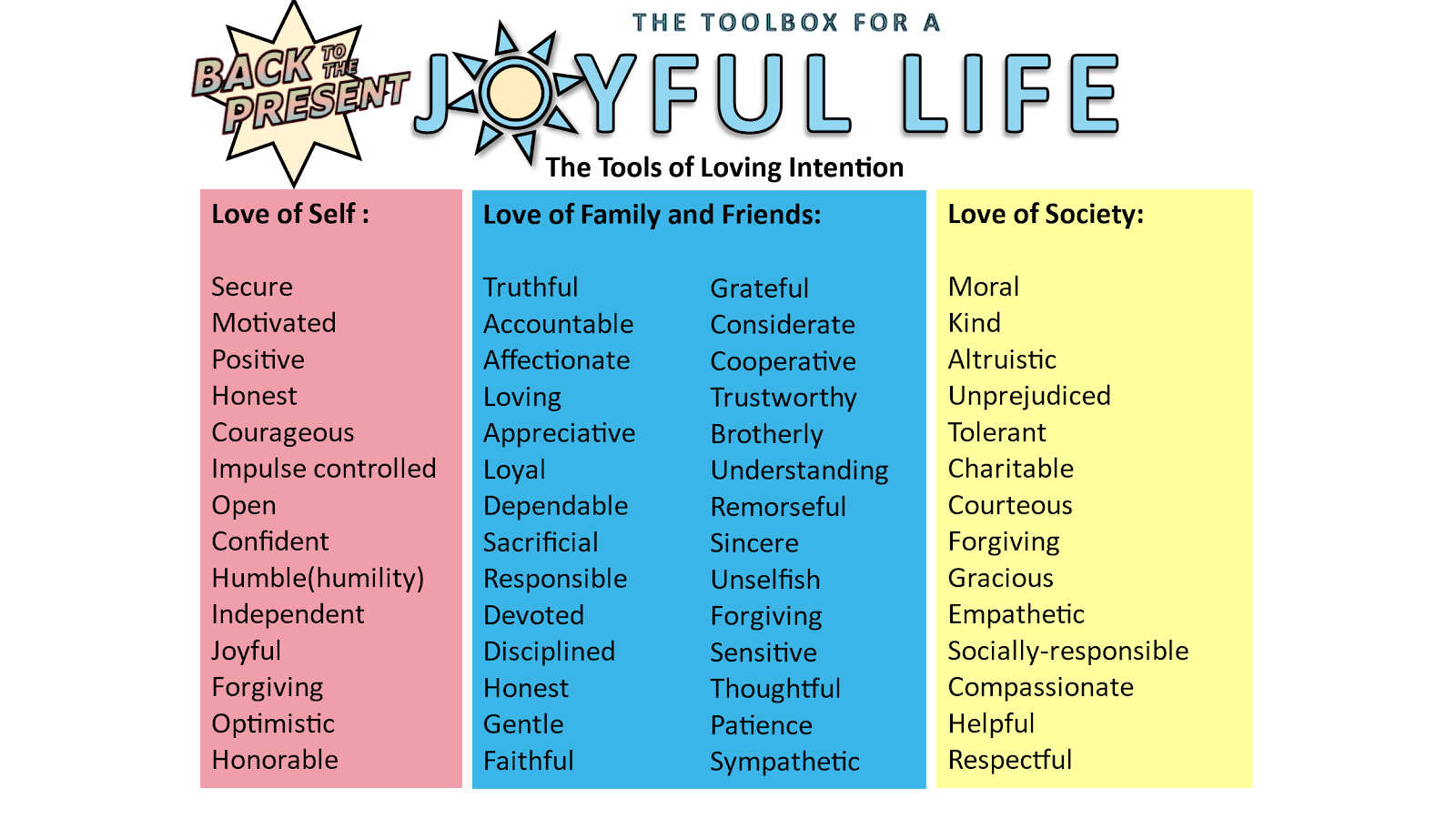
Figure 5-Toolbox for a Joyful Life
When we focus on these tools of loving intention, we are developing greater self-awareness. Self-awareness entails, not only being mindful of what you are doing, feeling, and thinking in the moment but understanding how our actions, feelings, and thoughts impact others. This mindful approach not only minimizes harm but also increases the joy and fulfillment that comes from making thoughtful choices.
Setting clear intentions requires a focused mind and the ability to organize your thoughts and priorities. Working memory helps you:
Maintain Focus: By keeping your goals and intentions in the forefront of your mind, working memory prevents distractions from leading you off track. This focus is essential for setting and maintaining clear intentions.
Organize Thoughts: Working memory allows you to break down your intentions into actionable steps, making it easier to stay aligned with your goals. It helps you structure your feelings and thoughts in a way that supports clear and purposeful decision-making.
Evaluate Consistency: As you process information, working memory helps you assess whether your intentions align with your values and long-term goals. This ensures that your actions, feelings, and thoughts are consistent with your true desires.
3.Implement Thoughtful Choices
Mindful decision-making requires us to be aware of what we are doing, feeling, and thinking. It also involves exercising patience and making choices deliberately, one step at a time. Each decision we make creates a potential fork in the road, leading us in new directions that may require adjustments along the way.
By implementing choices with loving intention, we are more likely to create positive outcomes that bring joy to ourselves and those around us. This approach ensures that our decisions are not only thoughtful but also aligned with our values and the well-being of others. Here are some suggestions to help you implement choice with clarity and loving intention:
Break Down Complex Decisions:
When faced with a difficult decision, break it into smaller, manageable steps. This approach reduces ANXIETY by making the decision less overwhelming and helps conserve mental energy.Prioritizing Values: Working memory helps you keep your values and principles at the forefront of your decision-making process. This ensures that each choice you make is guided by love, empathy, and respect for others.
Think About Long-Term Impacts:
Before making a decision, take a moment to consider its long-term effects, not just upon yourself but others. Will this decision bring you closer to your goals? Does it align with your values? This perspective helps you make choices that are not just reactive but thoughtful and intentional.Seek Advice When Needed:
If you’re struggling to make a decision, seek advice from trusted friends, family, or colleagues. Their perspectives can provide valuable insights and help you make a more informed, confident choice.Monitoring Progress: As you make decisions, working memory enables you to track the impact of each choice, allowing you to adjust your approach as needed to stay aligned with your intentions. This ongoing monitoring helps you implement your decisions with care and attention to detail.
Conclusion: Strengthening Your Cognitive Tools
Key Takeaways:
Working memory is a vital tool for managing ANXIETY and making effective decisions. It helps you stay focused, process anxious feelings and thoughts, and make deliberate choices, even under stress. By practicing strategies like chunking information, using mnemonic devices, breaking down complex tasks, using memory aids, and engaging in mindfulness exercises, you can control your impulses, clarify intentions, and improve your ability to navigate life’s challenges by implementing choices through loving intention. To summarize:
Control Impulses: Working memory provides the space to pause, reflect, and choose a response that aligns with your long-term goals rather than acting on immediate impulses.
Set Clear Intentions: It helps you stay focused, organize your thoughts, and ensure your intentions are clear and consistent with your values.
Implement Choices with Loving Intention: Working memory guides you in making thoughtful, step-by-step decisions that are rooted in compassion and consideration for others, ensuring each choice contributes to a more joyful and fulfilling life.
By strengthening your working memory through mindfulness practices, cognitive exercises, and deliberate reflection, you can enhance your ability to control impulses, set clear intentions, and implement choices that align with your values and contribute to a life lived with loving intention.
Call to Action:
Begin applying these techniques today to observe how they help you manage ANXIETY and enhance your decision-making skills. Explore resources like brain-training apps, mindfulness exercises, and organizational tools to support your cognitive health.
Reflective Question:
How might strengthening your working memory change your approach to managing ANXIETY in your daily life? What practical steps can you take today to enhance your cognitive abilities and reduce stress?