
The Impact of Childhood and Education on Relationships
Establishing and sustaining meaningful, loving relationships is one of life’s most rewarding yet challenging pursuits. Divorce rates in America, where about 33% of marriages end within 10 years, underscore the difficulty many people face in maintaining healthy relationships over time. This high rate of relational breakdown suggests that many of us may lack the necessary guidance on how to love and care for one another effectively.
At the core of teaching emotional responsibility, I believe there are two essentials that we need to provide our children to give them the best chance in the world: first, teaching them how to love, and second, teaching them how to be responsible for themselves. Two significant influences contribute to these challenges: our early childhood experiences and the educational systems that shape our values and skills. Together, these factors determine how we understand love, emotional responsibility, and interpersonal skills.
This discussion explores the roles of childhood and education in shaping relationship skills and offers actionable strategies to foster healthier relationships. Through this lens, we’ll look at how trust, modeling, and emotional responsibility are cultivated (or neglected) in early life, and why incorporating emotional skills into educational systems is critical for relationship stability. Figure 1 illustrates the developmental stages of learning to love, emphasizing emotional attunement and trust as foundational aspects (Figure 1-Stages of Learning How to Love).
With an understanding of how crucial relationship skills are to our personal well-being and societal stability, let’s examine how early experiences in childhood shape these skills. From trust-building to emotional responsibility, the formative years set the stage for how we engage with others throughout life.
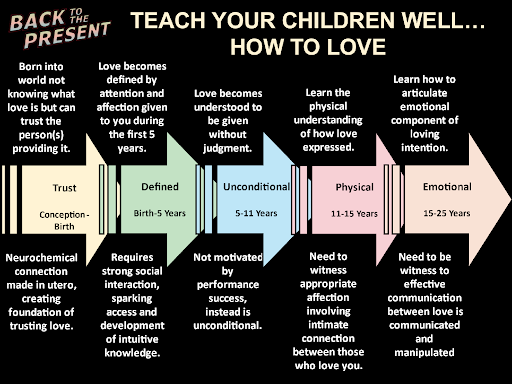
Figure 1-Teach Your Children How to Love
Childhood Influences on Relationships
Foundations of Childhood Trust
The development of trust begins early in life, influenced by both prenatal and postnatal factors. The idea that trust can start before birth might sound surprising, but studies have shown that high levels of maternal stress during pregnancy can increase the release of stress hormones like cortisol, which crosses the placenta and impacts fetal brain development. Research published in Development and Psychopathology (2010) suggests that this exposure can make children more prone to heightened stress sensitivity and emotional reactivity after birth. For example, children born to mothers who experienced high ANXIETY during pregnancy are often more irritable, difficult to soothe, and prone to stress.
This early exposure to stress hormones affects the child’s foundational emotional environment, setting the stage for how secure or safe they feel in the world. Erik Erikson’s stages of psychosocial development emphasize that trust is the first building block of personality, rooted in a sense of safety and value. Children who receive consistent, attentive care are more likely to develop “primary trust,” which supports their ability to form secure relationships later in life.
Example Scenario: Consider a child whose caregiver consistently responds to their needs with warmth and patience. When distressed, this child learns that they can rely on others, reinforcing the belief that the world is a safe place. Conversely, a child who experiences neglect or inconsistent care may internalize insecurity, leading to challenges in future relationships, such as being overly guarded or dependent.
Key Takeaways:
Trust-building in early childhood is foundational to forming healthy adult relationships.
Secure, nurturing care promotes a sense of safety and trust, while neglect or high stress can lead to insecurity.
Attachment and Attunement
Attachment theory, developed by John Bowlby and expanded by Mary Ainsworth, emphasizes that secure attachment in childhood lays a foundation for healthy relationships throughout life. When caregivers are consistently responsive and attuned to a child’s needs, the child develops a secure attachment. Attunement—the caregiver’s ability to understand and respond to a child’s emotional cues—fosters a deep sense of safety and validation. Attunement doesn’t only build trust; it helps children learn to understand and manage their own emotions, fostering empathy for others. This attunement reassures the child that their feelings are recognized and valued, allowing them to form an internal sense of security and self-worth.
Example Scenario: Imagine a young child who falls and scrapes their knee. The parent, who is nearby, quickly comes over, gently checks the wound, and soothes the child with comforting words. By acknowledging the child’s pain and offering comfort, the parent provides a sense of emotional safety and demonstrates attunement. This child learns that their emotions are valid and that their caregiver is there to support them in times of need. Over time, these consistent, attuned responses foster a secure attachment, helping the child grow up with trust in others and a strong sense of self-worth. Conversely, if a caregiver regularly ignores or dismisses such emotional needs, the child may develop an insecure attachment, which could lead to difficulties in trusting others or managing their emotions.
Key Takeaways:
Secure attachment is formed when caregivers respond consistently and sensitively to a child’s needs.
Attunement strengthens a child’s emotional security, teaching them that their feelings are valid and important.
Long-term impact: Securely attached children are generally more resilient, empathetic, and better able to form healthy relationships, while insecure attachment can lead to relational difficulties in adulthood.
The Role of Modeling in Childhood
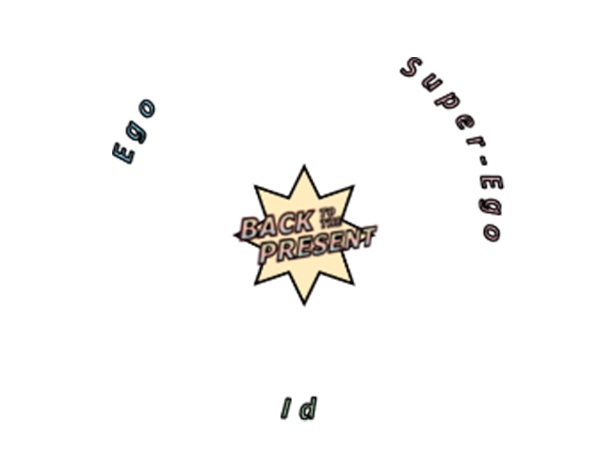
(Figure 2-Elements of the Psyche
Children develop relational skills and values largely by observing the behaviors of their caregivers. Freud theorized that by age five, core Elements of the Psyche—like the id, ego, and superego—are shaped by interactions and behaviors observed around them (Figure 2-Elements of the Psyche). Studies in developmental psychology, including work by Bandura (known for his social learning theory), reinforce that children mimic behaviors they see, including emotional responses, empathy, and conflict resolution. Children who observe caregivers displaying patience, respect, and empathy are more likely to internalize these qualities, shaping their intuitive tools of loving intention for future relationships (Figure 3-Toolbox for a Joyful Life).
Example Scenario: A child who watches their parents handle conflicts with patience and empathy learns that such responses are healthy ways to address challenges. In contrast, children exposed to frequent parental arguments may develop a tendency to approach relationships with aggression or avoidance, as they mirror these unresolved behaviors.
Key Takeaways:
Parental behavior provides a template for children’s future relationships.
Observing positive behaviors like empathy and respect promotes emotional responsibility.
Early exposure to loving, intentional behavior helps children develop an intuitive understanding of love.
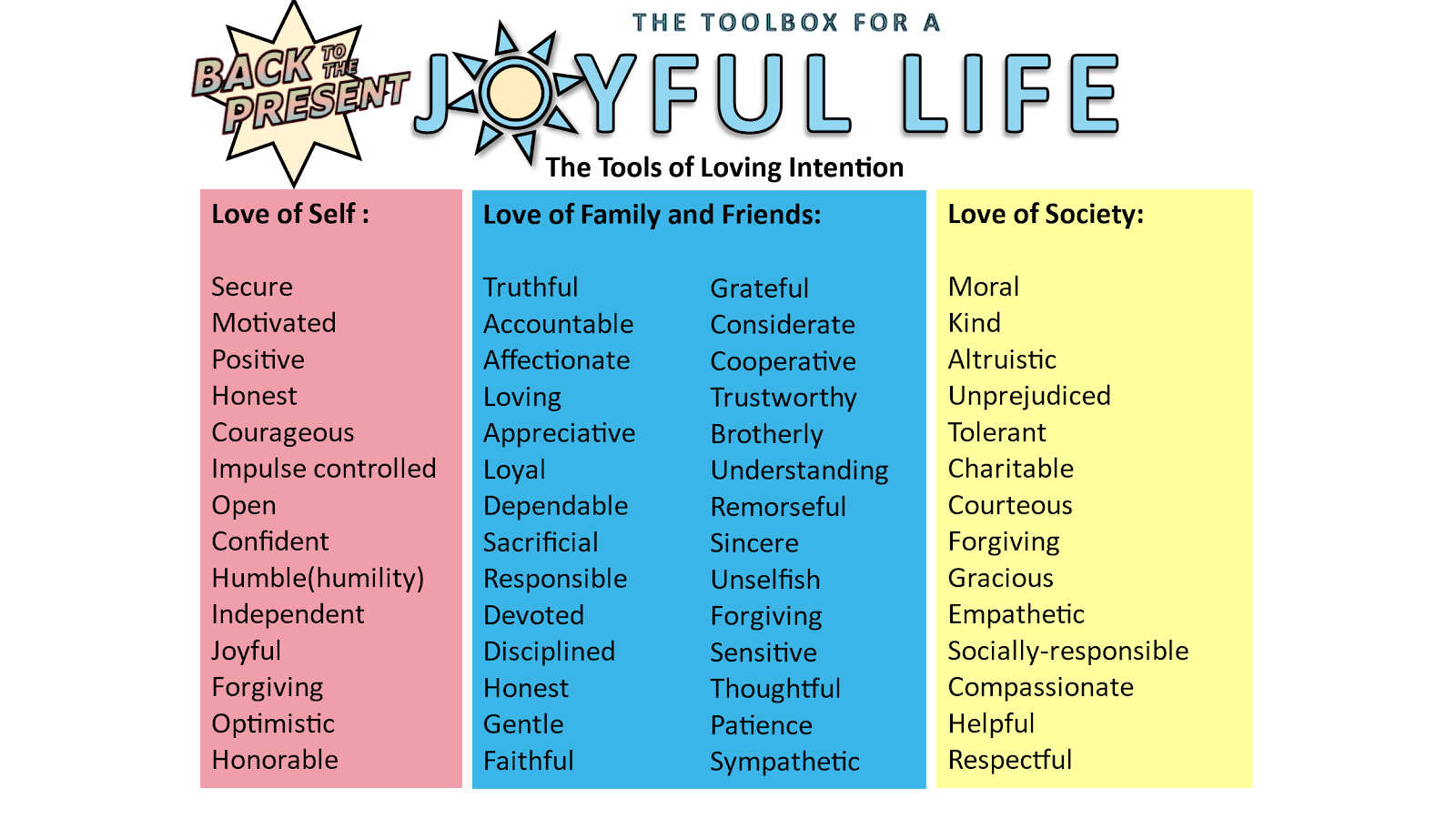
Figure 3-Toolbox for a Joyful Life
Emotional Responsibility and Intuitive Knowledge
Emotional responsibility is the ability to manage one’s emotions, actions, and thoughts thoughtfully in relation to others. This self-awareness is essential for maintaining strong relationships but must be cultivated early to develop effectively. Emotional intelligence (EQ), a key component of relational success, is associated with self-awareness, empathy, and interpersonal skills. A study by Mayer, Caruso, and Salovey (2000) suggests that higher EQ is directly linked to relationship satisfaction and resilience. When children are taught to recognize their own feelings and understand their impact on others, they form the foundation of self-regulation and empathy, which are key skills for relational success. Figure 4 illustrates the developmental stages of learning how children learn critical elements of responsibility for themselves (Figure 4-Stages of Learning How to be Responsible for Yourself).
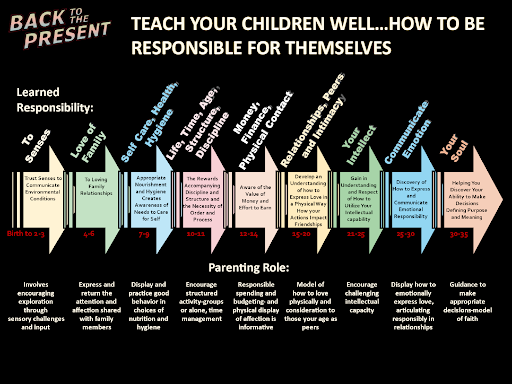
Figure 4-Teach Your Children to be Responsible for Themselves
Example Exercise: To teach emotional responsibility, caregivers can guide children in identifying their emotions and discussing how those feelings and thoughts impact their actions toward others.
Key Takeaways:
Emotional responsibility is vital to sustaining loving relationships.
Teaching children self-regulation and empathy helps them develop relational skills.
Transition: With these understandings of how early experiences shape our concept of love and responsibility to ourselves, let’s examine how our education system supports—or fails to support—the development of these skills.
While early childhood experiences lay the foundation for relational skills, the role of formal education in shaping emotional health and interpersonal abilities is also critical. Unfortunately, our educational systems often prioritize intellectual development over emotional growth, leaving students unprepared for the relational demands of life.
Educational Shortcomings in Teaching Relationship Skills
Intellectual vs. Emotional Development
Our educational system places heavy emphasis on intellectual success, often neglecting students emotional well-being. While students gain academic skills, they seldom learn interpersonal skills, empathy, or emotional regulation—all essential for sustaining relationships. This gap is concerning because research shows that people with higher emotional intelligence (EQ) tend to have more satisfying and stable relationships. According to a study by the American Institute for Research, EQ training is associated with improved academic and social outcomes, yet few schools prioritize it alongside academic skills.
However, some promising initiatives are beginning to address this gap. Programs inspired by the Social and Emotional Learning (SEL) model, such as the CASEL framework, promote skills like self-awareness, empathy, and responsible decision-making within school curricula. Additionally, mindfulness initiatives like MindUP and Mindful Schools are helping students develop skills in emotional regulation, focus, and self-reflection. Schools that implement these programs report not only academic improvements but also reductions in behavioral issues and increased student resilience.
Relevant Study: Research on emotional intelligence (EQ) indicates that people with higher EQ are generally more satisfied in their relationships. Yet, few schools prioritize EQ alongside academic subjects.
Example Statistic: A 2018 study by the Collaborative for Academic, Social, and Emotional Learning (CASEL) found that students who participated in social-emotional learning programs demonstrated a 13% increase in academic performance, indicating that emotional literacy supports both personal and academic growth.
Key Takeaways:
Intellectual success is prioritized over emotional health in schools.
The lack of focus on emotional intelligence hampers students’ ability to form healthy relationships.
The Misalignment in Priorities
Our educational system’s primary goal is preparing students for the workforce, often at the expense of teaching relational skills which are more intuitive than intellectual. Schools focus on teaching cognitive skills and factual knowledge while neglecting to teach interpersonal skills like empathy, conflict resolution, and effective communication. Emotional skills are not only essential for personal fulfillment but are also valuable in professional settings, where collaboration, empathy, and adaptability are crucial. Students are not taught how to use their intuitive attributes:
Communicate feelings to one another,
Sacrifice for others,
Empathize with others
Have faith in each other.
This leaves them without the necessary skills to resolve conflicts constructively—skills that are essential in both personal and professional relationships.
Example Scenario: Imagine a school curriculum where, alongside math and science, students learn about empathy, faith, sacrifice, and communication for conflict resolution. Role-playing exercises and group discussions could help students practice these skills, preparing them for real-world relationships.
Key Takeaways:
Emotional skills are as essential as academic skills for life satisfaction and relational success.
Practical emotional education can better equip students for long-term relationship stability.
Transition: Without emotional training, adults often lack resilience in relationships. Let’s consider specific skills and takeaways that can bridge this gap.
Addressing these educational gaps is essential, as adults without emotional training often lack the resilience and skills needed to sustain healthy relationships. Let’s now explore practical strategies that can be integrated into daily life to foster emotional responsibility and relational growth.
Enhancing Practical Relationship Skills
Actionable Exercises for Emotional Responsibility
To foster emotional responsibility, practices like mindfulness and self-reflection can be highly effective. Regularly reflecting on one’s emotional responses and interactions builds self-awareness and helps people make empathetic choices. Simple daily practices can cultivate the habits needed for meaningful relationships.
Daily Mindfulness Exercise: Spend five minutes each evening reflecting on your interactions. Consider whether your emotions, behaviors, and responses aligned with your values and whether you respected the emotional needs of others. This practice builds self-awareness and helps foster emotional responsibility.
Key Takeaways:
Mindfulness encourages self-awareness and emotional responsibility.
Regular reflection on interactions can improve empathy and relational skills.
Tips for Parents and Educators
Both parents and educators can influence relational skills development by modeling and teaching them. Parents can validate their children’s feelings, guiding them through emotional experiences and demonstrating conflict resolution. Educators can integrate empathy and active listening exercises into group projects, fostering an environment of collaboration and understanding.
For Parents: Display the tools of loving intention to your child by validating their feelings. When disagreements arise, use them as teachable moments to model calm conflict resolution.
For Educators: Integrate empathy and communication skills into class activities. For example, group projects can encourage active listening and compromise.
Key Takeaways:
Modeling empathy and respect teaches children emotional skills necessary for future relationships.
Educators can incorporate emotional literacy into group activities to enhance students’ interpersonal skills.
With practical strategies in place to build emotional responsibility, it’s also valuable to understand the different forms of love and how they uniquely contribute to relational health. Broadening our definition of love can deepen our relationships and set realistic expectations that foster long-term fulfillment.
Broadening the Definition of Love and Relationships
Exploring Different Types of Love
Love can take on various forms—self-love, familial love, and romantic love—all of which contribute uniquely to our emotional well-being. Recognizing the distinctions between these types helps individuals approach relationships with more clarity and respect. Self-love, in particular, is foundational; it fosters an internal sense of worth and satisfaction that allows individuals to engage in relationships without relying on external validation. Emotional literacy plays a key role here, as it helps people identify and understand their own emotional needs, setting boundaries between self-worth and the need for external affirmation. When we cultivate self-love through emotional literacy, we become less dependent on others for validation, allowing us to engage in relationships from a place of strength and authenticity.
Key Takeaways:
Understanding different types of love helps in managing expectations in relationships.
Self-love is foundational; one must learn to love oneself before being able to love others fully.
Emotional literacy helps distinguish between self-love and reliance on external validation, fostering healthier and more balanced relationships.
Transition: Recognizing these distinctions in love helps set realistic expectations and can counter the often-narcissistic pursuit of happiness seen in modern society.
Recognizing the many dimensions of love highlights the importance of emotional literacy across all relationships, whether familial, romantic, or social. To make this awareness a foundational part of life, let’s consider how schools can incorporate emotional education to support the next generation.
Solutions for Integrating Emotional Education in Schools
Proposing Curriculum Changes
Schools could offer courses on emotional literacy, mindfulness, conflict resolution, and self-awareness training. These skills could be introduced early and reinforced throughout a student’s education.
Example Curriculum Addition: A weekly class focused on relationship skills, covering topics like understanding emotions, managing conflicts, and practicing empathy, could help students internalize these skills alongside academic knowledge.
Key Takeaways:
Emotional literacy training equips students with tools for both personal and professional success.
A curriculum that emphasizes emotional skills alongside intellectual skills prepares students for well-rounded lives.
Integrating emotional education into school curricula is a vital step toward fostering emotionally resilient and relationship-ready individuals. By cultivating these skills in early life, we’re setting up future generations for relational stability and success. Imagine a society where these skills are as valued as traditional academic subjects.
Conclusion: A Vision for the Future of Relationships
Imagine a society where people are as educated in emotional skills as they are in academic subjects. The benefits would reach beyond individual relationships, influencing communities and society at large. Research shows that emotional education can lead to stronger communities with lower crime rates, as individuals with higher emotional intelligence are better equipped to manage conflicts and make constructive decisions. Healthier workplaces would also emerge, as employees with emotional literacy contribute to positive, collaborative environments, reducing workplace stress and increasing productivity. When individuals are taught empathy, self-awareness, and responsible decision-making from an early age, the impact ripples through society, fostering greater social cohesion, mental well-being, and resilience.
By teaching children the importance of emotional responsibility and equipping them with relational tools of loving intention, we could foster a generation capable of sustaining healthy, joyful relationships, contributing to a society that is safer, more connected, and supportive.
Call to Action:
Start small by practicing a daily gratitude alarm or active listening with loved ones.
Parents and educators can promote empathy and respect as foundational skills for healthy relationships.
Invest time and energy in learning about emotional intelligence and relational skills to enhance your life and the lives of those around you.
Glossary of Key Terms
Attachment: A deep and enduring emotional bond that connects one person to another across time and space. In childhood, secure attachment is formed when caregivers consistently respond to a child’s needs, fostering a foundation for trust and healthy relationships.
Attunement: The process by which a caregiver understands and responds to a child’s emotional cues, helping the child feel seen, understood, and valued. Attunement strengthens a child’s emotional security and helps them develop self-worth.
Emotional Intelligence (EQ): The ability to recognize, understand, and manage one’s own emotions, as well as to empathize with others. High EQ is associated with better relationship satisfaction, resilience, and interpersonal success.
Emotional Literacy: The ability to identify, understand, and express emotions in a healthy way. Emotional literacy helps individuals navigate their own feelings and relate to others with empathy and self-awareness.
Emotional Responsibility: The capacity to manage one’s own emotions, thoughts, and behaviors in ways that respect both self and others. This includes self-regulation and taking accountability for one’s emotional impact on others.
Mindfulness: A practice of focused attention and awareness, where becoming aware of what it is you are doing, feeling, and thinking, without judgement, is often used to manage emotions, reduce stress, and enhance self-reflection. Mindfulness exercises help individuals stay present and respond thoughtfully rather than react impulsively.
Primary Trust: A foundational sense of safety and security developed in early childhood through consistent, nurturing care. Primary trust enables children to feel secure in the world and supports their ability to form trusting relationships later in life.
Self-Love: A form of self-acceptance and appreciation that stems from recognizing one’s own worth. Self-love is foundational to healthy relationships, as it allows individuals to engage authentically without relying on external validation.
Social and Emotional Learning (SEL): A framework for developing self-awareness, empathy, and responsible decision-making in educational settings. SEL programs are designed to equip students with the emotional and social skills necessary for personal and academic success.
Trust-Building: The process of developing a sense of safety and reliability within a relationship. In childhood, trust-building is supported by caregivers who provide consistent, responsive care, fostering a child’s belief that others are dependable.