
Navigating the New Frontier: Charting Mental Health in the High-Speed Digital Era
Hey there, fellow life travelers! Let's dive into the universe of our daily lives and explore mental health with a fresh twist. Imagine society as a spaceship, kind of like the Starship Enterprise, where every minor alert—every beep or blink—is labeled with something like "bipolar" or "ADHD." What if the issue isn't with us, the crew, but with the spaceship's control system glitching out?
The Tech-Speed Universe:
We’re zipping through life in hyperdrive, much like the Millennium Falcon blasting through the galaxy. As technology accelerates, so do our mental health challenges.
Think about how the Industrial Revolution or the digital boom changed lives dramatically, similar to how inventions like the iPhone transformed modern communication. It's like every major tech advancement brings a new season of "Black Mirror," where we see the unintended consequences unfold in real-time.
Key Point: The rapid advancement of technology parallels the increase in mental health issues, much like faster travel times have led to more demands on our time.
Summary: Just as technology accelerates, so do our mental challenges, reminding us that every benefit has its costs.
Common Experience to Think About: Remember how everyone felt lost without Google Maps when it first came out? Now imagine that kind of dependency but for every moment of your day.
What Can You Do?
Engage in Digital Detox: Schedule regular intervals where you disconnect from all digital devices to help restore your mental space.
Mindful Technology Use: Be intentional about when and how you use technology. Ask yourself whether it adds value or stress to your life before you engage.
The ADHD Conundrum:
Considering humans are the only species that can pay attention to abstract tasks, the rising ADHD diagnoses might seem odd. It’s like a soccer player being told they can’t kick a ball—it doesn’t make sense.
This rise coincided with the era cell phones became as common as carrying a wallet. It’s as if we’ve turned up the volume of life’s soundtrack so loud, we can’t hear our own thoughts.
Key Point: The contradiction in rising ADHD diagnoses alongside our unique human ability to focus suggests external factors, like technology, are influencing our natural capabilities.
Summary: Increased sensory and emotional input from modern gadgets may be overloading our ability to concentrate, paralleling the rise in ADHD diagnoses since such devices became ubiquitous.
Pop Culture Reference: Think of the overwhelming number of choices on Netflix. It’s hard to pick just one show to watch, right? Now apply that to every decision and distraction in your day.
What Can You Do?
Environment Audit: Review your daily environments (home, work) for potential sensory overload and make changes to reduce unnecessary stimuli.
Focus Exercises: Practice mindfulness or meditation daily to enhance your ability to concentrate and reduce susceptibility to distractions.
Non-stop Notifications:
Our brains are bombarded by notifications and data like rapid-fire tweets during a celebrity scandal. There’s no downtime, which exhausts us mentally.
Imagine living in a version of "The Truman Show," where every aspect of your life is monitored and interrupted by external controls. That's what constant connectivity feels like.
Key Point: Constant connectivity disrupts our mental peace, much like an actor being continuously directed without a break.
Summary: Our brains, designed for deep thought, are overwhelmed by the relentless pace of digital notifications, leaving little room for rest and reflection.
Discussion Point: How does your brain feel after a long social media scroll? Drained, buzzed, or something else?
What Can You Do?
Notification Management: Turn off non-essential notifications on all devices to minimize interruptions.
Set Boundaries: Establish specific times to check emails and messages rather than responding to them as they arrive.
The Real Cost of Progress:
We’ve built a connected world where you can FaceTime from New York to Tokyo in seconds, echoing how quickly messages spread across platforms like Twitter or Reddit.
However, this hyper-connectivity comes with a price—increased stress and a feeling of never being able to unplug, much like the characters in "Inception" who couldn’t distinguish dreams from reality.
Key Point: While technology has shrunk the world, it has expanded stress and mental health challenges.
Summary: Our globally connected world offers unprecedented convenience but at the cost of increased mental strain, as constant accessibility becomes a double-edged sword.
Reflective Question: How does this constant connectivity affect your ability to relax and recharge?
What Can You Do?
Educate Yourself and Others: Share articles and resources about the mental health impacts of technology to raise awareness.
Advocate for Change: Support or initiate workplace policies that encourage breaks and respect off-hours.
A Call for Wisdom:
We need thinkers and leaders to help navigate through this high-tech fog, much like Gandalf guiding Frodo in "Lord of the Rings." If this message strikes a chord, share it. Let’s create a wave of awareness that spreads across our networks.
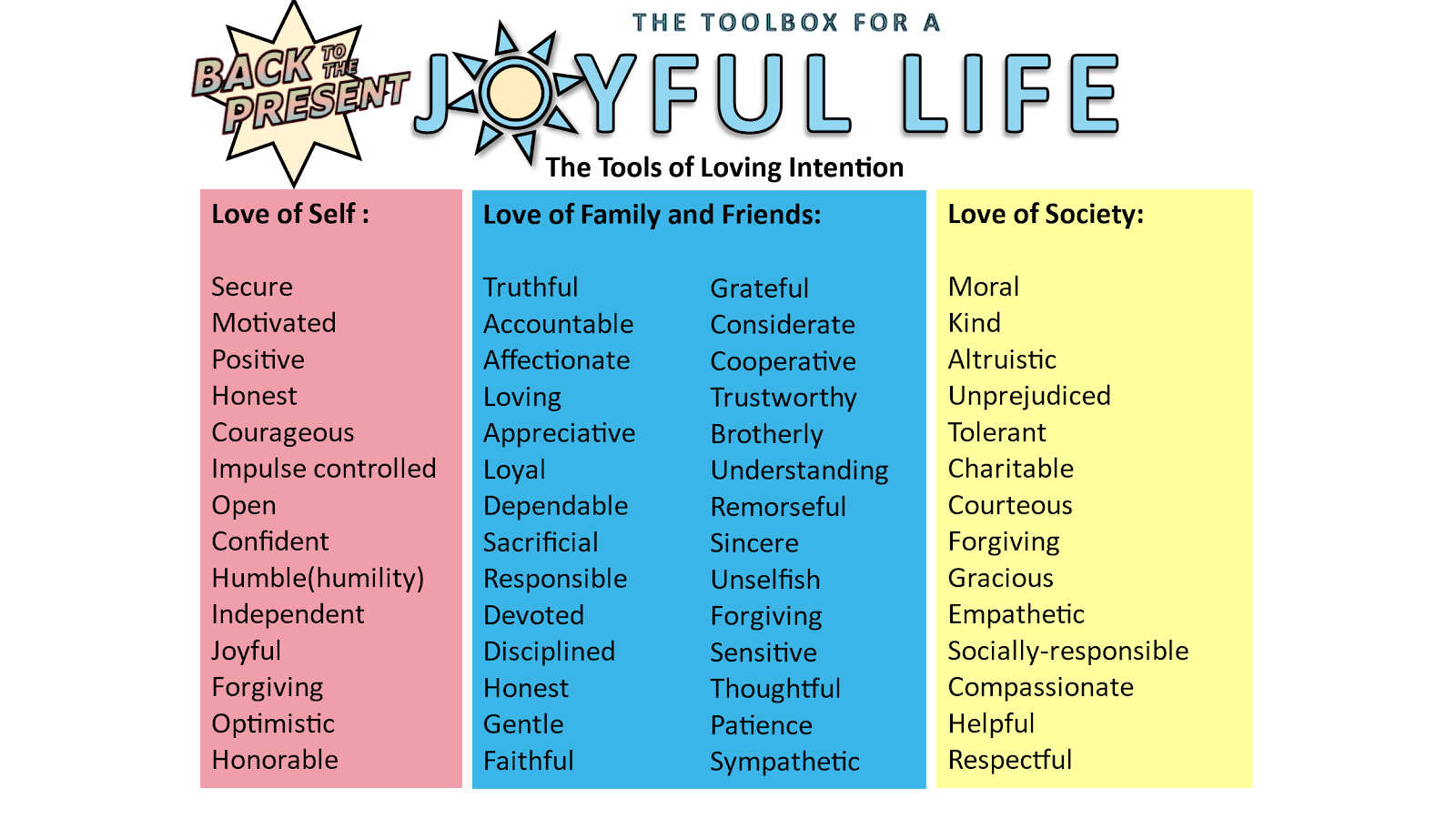
Picture our future generations like tiny droids, each programmed with essential life skills from our "Toolbox for a Joyful Life."
Key Point: Just as legendary leaders in stories guide their followers through challenges, we need real-world wisdom to navigate our hyperconnected reality.
Summary: Sharing knowledge and wisdom is crucial as we confront the mental health challenges of a high-tech world, seeking solutions that balance technological benefits with personal well-being.
Pop Culture Tie-in: Consider how different heroes in "Avengers" come together, combining their unique skills to tackle big problems. Isn’t it similar to how we must combine our efforts to address mental health?
What Can You Do?
Wisdom Sharing: Start a discussion group, online or offline, where people can share insights and strategies for managing technology's impact on mental health.
Mentorship: Offer to mentor young people or peers on balancing technology use with personal well-being.
Why Are Kids Feeling Lost?
Our educational system is like sending young pilots into space with an outdated star map. They have the ships and the mission but lack the current charts that include emotional intelligence and wise decision-making.
It’s akin to young Simba in "The Lion King," venturing into the wilderness without fully understanding his place in the circle of life until he gains the necessary wisdom and support.
Key Point: Outdated educational methods fail to equip children with necessary emotional and intuitive skills, much like outdated maps can lead travelers astray.
Summary: Modern education must evolve to include emotional intelligence and decision-making skills to better prepare young people for the complexities of today’s world.
Deeper Thought: What’s one lesson from a favorite movie or book that you wish you learned in school?
What Can You Do?
Parental Involvement: Actively participate in your child’s education. Understand what they are learning and advocate for curriculum that includes emotional and intuitive learning.
Skill Development Workshops: Enroll your children in workshops or activities that boost their emotional and social skills outside of school.
From Quills to Clicks:
Imagine transitioning from simple tools like quills to the vast digital landscape of today, similar to moving from a calm library to the bustling floor of the New York Stock Exchange.
This is like entering a massive multiplayer online game where the quests keep updating faster than you can complete them.
Key Point: The shift from simple educational tools to a complex digital landscape demands new learning strategies that address both intellectual and emotional needs.
Summary: Education should not only keep pace with technological advancements but also foster the development of a well-rounded individual capable of handling life’s challenges.
Cultural Reflection: How do we keep our personal narratives clear and focused amidst the constant updates and upgrades in our 'game' of life?
What Can You Do?
Literacy in Both Worlds: Encourage a balance between digital literacy and traditional learning methods like reading books and engaging in face-to-face discussions.
Critical Thinking Practice: Regularly engage children in discussions that require critical thinking about the information they consume online versus what they learn in traditional settings.
Education Overhaul:
We need to update our educational 'software' to better prepare our children for the world they live in, much like upgrading from an old smartphone to the latest model.
This isn't just about learning to use apps or code but about navigating life's challenges with emotional intelligence and resilience, like upgrading your character's skills in a role-playing game.
Key Point: Just as software needs updates to function effectively, our educational system requires modernization to prepare students for current and future challenges.
Summary: By integrating mindfulness and emotional intelligence into the curriculum, we can ensure that students are not only technologically proficient but also emotionally resilient and socially adept.
Final Thought: If you could redesign school like a video game, what skills or levels would you include to ensure players are well-prepared for life’s challenges?
What Can You Do?
Curriculum Feedback: Provide feedback to educational institutions advocating for an updated curriculum that includes mindfulness and emotional intelligence.
Support Educational Reforms: Participate in school boards or community education councils that influence educational policies and reforms.