
Balancing Intellectual and Intuitive Knowledge
Purpose: Highlighting the Need to Balance Intellectual Pursuits with Intuitive Understanding
Balancing intellectual and intuitive knowledge is crucial for achieving a well-rounded and fulfilling life. While intellectual pursuits provide us with factual knowledge and logical reasoning, intuitive understanding offers deep insights and emotional connections for our relationships. At backtothepresent.net, we emphasize the importance of integrating both types of knowledge to enhance personal growth, relationships, and overall joy.
Key Points
Differences Between Intellectual and Intuitive Knowledge
Roles in Relationships
Contributing to Joy
Associations with Satisfactions, Emotional States, and Knowledge Sources
Differences Between Intellectual and Intuitive Knowledge
Intellectual Knowledge (Tree of Knowledge):
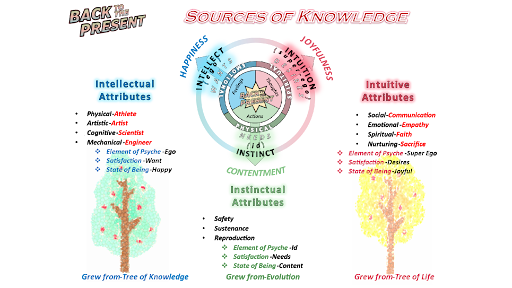
Definition: Intellectual knowledge is acquired through learning, studying, and logical reasoning. It involves understanding facts, concepts, and theories, symbolized by the tree of knowledge.
Characteristics:
Analytical
Logical
Evidence-based
Attributes:
Physical: Mastering physical skills and understanding bodily functions.
Artistic: Creating and appreciating art through learned techniques.
Cognitive: Engaging in complex thinking, problem-solving, and analysis.
Mechanical: Understanding and manipulating physical objects and systems.
Examples:
Solving mathematical problems
Understanding color for a painting
Understanding scientific principles
Performing learned activity like sport
Analyzing historical events
Intuitive Knowledge (Tree of Life):
Definition: Intuitive knowledge, drawn from the tree of life and the toolbox of loving intention, is the ability to understand or know something without conscious reasoning, often described as a "gut feeling."
Characteristics:
Instinctive
Emotional
Experience-based
Attributes:
Social: Understanding and communicating in social interactions.
Nurturing: Providing care and support to others by sacrificing time and energy.
Spiritual: Having faith in the tools of loving intention, establishing moral and ethical standards.
Emotional: Recognizing and empathizing using the tools of loving intention effectively.
Examples:
Sensing someone's emotions without them saying anything
Making a spontaneous decision that feels right
Understanding a situation holistically without detailed analysis
Engaging Question: How do you use both your intellectual and intuitive knowledge in your daily life? Reflecting on this can help you recognize the value of each type of knowledge.
Practical Tips:
Develop Both: Make time for activities that stimulate both intellectual and intuitive growth, such as reading and meditation.
Reflect on Decisions: After making decisions, reflect on whether they were driven by intellect, intuition, or both.
Trust Your Gut: Allow yourself to follow intuitive insights, especially in situations where logical analysis is insufficient.
Roles in Relationships
Balancing intellectual and intuitive knowledge is particularly important in relationships. While intellectual understanding helps us communicate and solve problems, intuitive insights allow us to connect emotionally and empathetically with others.
Intellectual Knowledge in Relationships (Tree of Knowledge):
Communication: Intellectual knowledge helps articulate thoughts and feelings clearly.
Problem-Solving: Logical reasoning aids in resolving conflicts and making decisions.
Understanding: Knowledge of psychology and social dynamics enhances relationship skills.
Intuitive Knowledge in Relationships (Tree of Life):
Love and Peace: Intuition helps us sense and understand others' emotions and needs, fostering love and peace.
Connection: Emotional intelligence, derived from the tree of life, fosters deep and meaningful connections.
Support: Intuitive insights guide us in providing the right kind of support to loved ones.
Real-Life Example: Consider a time when you sensed a friend was upset without them saying anything. Your intuitive understanding allowed you to offer support, strengthening your bond.
Engaging Question: How do you balance intellectual discussions with emotional support in your relationships? Recognizing this balance can improve your interactions with others.
Practical Tips:
Practice Active Listening: Use both intellectual understanding and intuition to fully engage in conversations.
Show Empathy: Validate others' feelings and offer intuitive support when needed.
Solve Problems Together: Combine logical problem-solving with empathetic understanding to find solutions.
Contributing to Joy
Integrating intellectual and intuitive knowledge contributes significantly to personal joy and fulfillment. While intellectual pursuits provide a sense of accomplishment and understanding, intuitive insights bring emotional satisfaction and inner peace.
Intellectual Contributions to Joy (Tree of Knowledge):
Achievement: Accomplishing intellectual goals boosts self-esteem.
Learning: Continuous learning keeps the mind active and engaged.
Purpose: Intellectual pursuits often align with personal values and goals.
Intuitive Contributions to Joy (Tree of Life):
Emotional Fulfillment: Intuitive understanding enhances emotional well-being.
Presence: Being in tune with intuition helps live in the present moment.
InnerPeace: Intuition fosters a sense of harmony and balance.
Real-Life Example: Reflect on a time when you felt deeply content after following your intuition, whether it was pursuing a hobby, making a spontaneous decision, or connecting with nature.
Engaging Question: How do you find joy in balancing your intellectual achievements with your intuitive insights? Exploring this can help you cultivate a more joyful life.
Practical Tips:
Pursue Passions: Engage in activities that stimulate both your mind and heart.
Stay Present: Practice mindfulness to connect with your intuition and enjoy the present moment.
Celebrate Achievements: Acknowledge both intellectual milestones and intuitive successes.
Associations with Needs, Emotional States, and Knowledge Sources
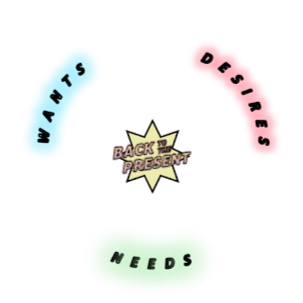
Needs, Wants, and Desires (Satisfactions):
Definition: Our needs, wants, and desires drive our actions and decisions, aiming for various satisfactions in life.
Intellectual Aspect: Understanding and achieving these satisfactions through logical planning and effort.
Intuitive Aspect: Sensing and fulfilling deeper desires through emotional and spiritual understanding.
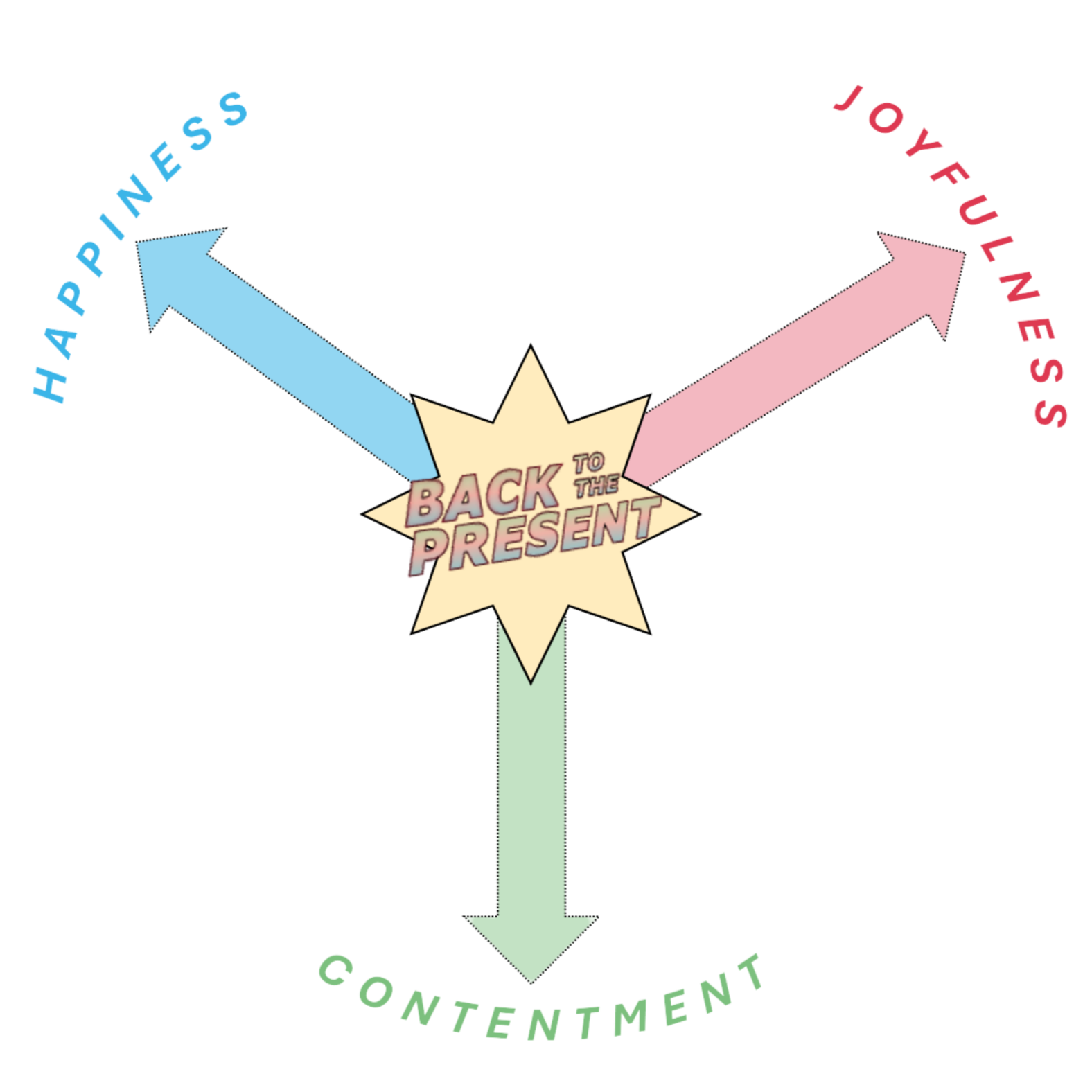
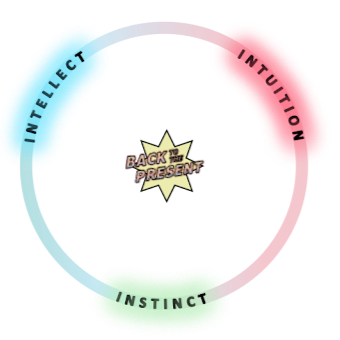
Contentment, Happiness, and Joyfulness (States of Emotional Being):
Definition: These states represent our overall emotional well-being and satisfaction in life.
Intellectual Aspect: Achieving contentment and happiness through accomplishments and logical pursuits.
Intuitive Aspect: Experiencing joyfulness through emotional connections and living in the present moment.
Instinct, Intellect, and Intuition (Sources of Knowledge):
Definition: These are the three primary sources of knowledge that guide our decisions and actions.
Intellectual Aspect: Intellect provides logical reasoning and analytical thinking.
Intuitive Aspect: Intuition offers deep insights and emotional understanding.
Instinctive Aspect: Instinct drives our immediate, often unconscious, reactions and decisions.
Engaging Question: How do you balance your instinctive reactions, intellectual reasoning, and intuitive insights in your daily life? Reflecting on this can help you make more holistic decisions.
Practical Tips:
Recognize Sources: Identify when you are using instinct, intellect, or intuition in decision-making.
Balance Approaches: Strive to balance these sources to make well-rounded decisions.
Reflect on Outcomes: Consider the outcomes of decisions made from each source and learn from them.
Balancing intellectual and intuitive knowledge is key to a fulfilling life. By integrating both types of understanding, you can enhance your personal growth, strengthen your relationships, and increase your overall joy. Visit backtothepresent.net to learn more about how to harmonize your intellectual pursuits with your intuitive insights and start your journey towards a more balanced and joyful life.
At backtothepresent.net, we provide resources and guidance to help you develop both intellectual and intuitive knowledge, empowering you to live a life that is rich in wisdom, connection, and joy.