
Managing Social Anxiety

Social anxiety can feel overwhelming, but by utilizing the CRITICAL UNDERSTANDINGS and the tools of loving intention from the Toolbox for a Joyful Life, you can navigate its challenges with mindfulness and self-compassion. This guide provides examples, points of reflection, and actionable steps to empower your growth.
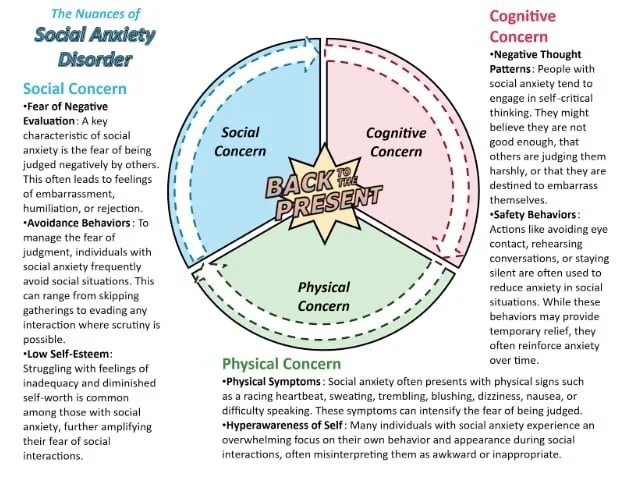
Figure 1-Elements of Social Anxiety Disorder
Reframing Social Anxiety Disorder with the CRITICAL UNDERSTANDINGS
1. Physical, Emotional, and Spiritual (Our Three Gifts)

Figure 2-Gifts
Social anxiety challenges our ability to utilize our physical, emotional, and spiritual capacities fully. Physical symptoms like trembling or blushing interfere with comfort, emotional fears of judgment create barriers to meaningful connections, and spiritual disconnection can make self-compassion difficult. Strengthening these gifts can foster resilience and inner peace
Example: A racing heartbeat, trembling hands, and self-doubt before a group presentation can leave you feeling disconnected from your inner strength.
Action: Practice deep breathing or grounding exercises to calm your physical symptoms, affirm your worth to support your emotional state, and reflect on your unique strengths to nurture your spiritual gift.
Reflection: What physical sensations or emotional patterns signal anxiety for you? How can you align with your spiritual gift of self-compassion in these moments? Write down one strategy to address each area.
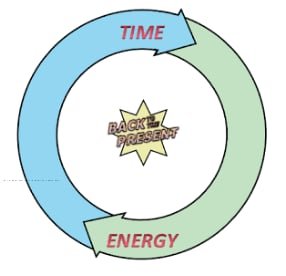
Figure 3- Limited Resources
2. Time and Energy (Limited Resources)
Social anxiety consumes time and energy as individuals overanalyze past interactions or worry about future ones. This focus drains resources that could be directed toward fulfilling relationships or purposeful activities. Mindfulness practices, such as grounding techniques, can help individuals redirect their energy toward the present moment
Example: Spending hours replaying a conversation in your head and avoiding future social invitations out of fear drains these valuable resources.
Action: Redirect this energy toward intentional engagement in one small social activity, such as texting a friend or joining a group activity for just a few minutes.
Reflection: How can you use your time and energy to focus on positive, present-moment experiences instead of worrying about past interactions? Write down one activity you’ll engage in today.
3. Actions, Feelings, and Thoughts (Manifestations)
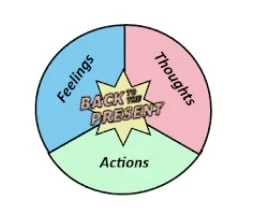
Figure 4-Manifestations
Social anxiety manifests in avoidance behaviors (actions), self-doubt (feelings), and negative thought patterns (thoughts). By cultivating conscious awareness and free choice, individuals can challenge these automatic responses and replace them with healthier behaviors (Figure 4-Manifestations).
Example: Avoiding a party because of fear of judgment can lead to loneliness and reinforce negative beliefs.
Action: Commit to attending the party for just 10 minutes and reflect afterward on any positive moments.
Reflection: What small, achievable action can you take today to challenge a negative belief about yourself? Write down how you’ll celebrate this step.
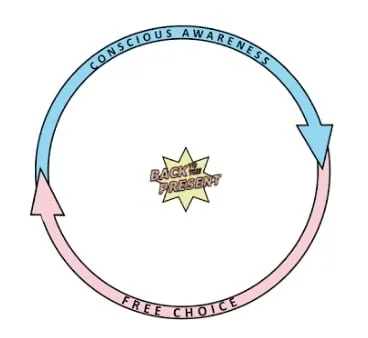
Figure 5-Unique Abilities
4. Conscious Awareness and Free Choice (Unique Abilities)
The practice of mindful self-reflection empowers individuals with social anxiety to become aware of their triggers and choose how to respond. Recognizing they have the free choice to engage rather than avoid, even in small steps, is a significant step toward healing.
Example: A teenager, aware of their habit of avoiding eye contact, chooses to make brief, natural eye contact during conversations.
Action: Observe your safety behaviors and replace one with a healthier alternative. For example, instead of rehearsing conversations, practice being present and responding naturally.
Reflection: What one behavior or choice could you change today to demonstrate your free choice? Write down one behavior to practice this week.
5. Awareness, Challenge, Patience, and Honor (Obligations)

Figure 6-Obligations
Overcoming social anxiety requires:
Becoming aware of negative thought patterns.
Challenging them with gentle but intentional actions.
Practicing patience when setbacks occur.
Honoring even the smallest victories.
These Obligations foster resilience and self-respect.
Example: A young adult celebrates attending a networking event, even if they only spoke to one person.
Reflection: What small victory can you honor today in your journey to overcoming social anxiety? Write it down and reflect on how it made you feel.
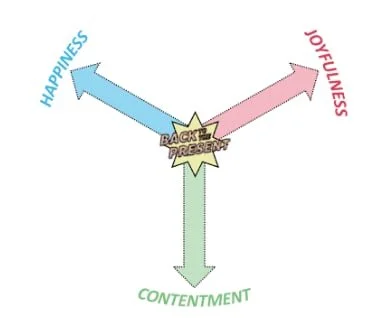
Figure 7- States of Emotional Being
6. Contentment, Happiness, and Joyfulness (States of Emotional Being)
Social anxiety can hinder contentment, happiness, and joy by creating a fear of judgment. However, cultivating mindful connections with others and building self-esteem through the Toolbox for a Joyful Life can help individuals rediscover joyfulness in their relationships and interactions.
Example: Smiling at a stranger or sharing a laugh with a colleague can bring unexpected happiness.
Reflection: What is one small social connection you can nurture today to experience joyfulness? Write it down and plan how you will act on it.
7. Needs, Wants, and Desires (Satisfactions)

Figure 8-Satisfactions
Social anxiety often arises from perceived unmet needs, unfulfilled wants, or misaligned desires. Recognizing and addressing these satisfactions can help individuals better understand their anxieties and take meaningful action to meet them.
Example: A person feels anxious in group settings because of an unmet need for acceptance. They also avoid certain interactions due to a desire to appear perfect.
Action: Identify one need (e.g., a sense of belonging) and find a small way to meet it, such as joining a supportive group or seeking reassurance from trusted friends.
Reflection: What need, want, or desire is influencing your social anxiety? How can you address it in a way that aligns with your values? Write down one small action to fulfill this today.
8. Productivity, Peace, and Purpose (Agreements)

Social anxiety often disrupts our ability to feel productive, at peace, or aligned with our purpose. Recognizing this agreement with ourselves can help reframe how we approach social challenges. Building a sense of progress, calm, and meaningful intention is key to overcoming these disruptions (Figure 9-Agreements).
Example: A professional feels overwhelmed in meetings, worrying they’re not contributing enough, which affects their sense of productivity. By preparing one thoughtful comment beforehand, they can reduce anxiety and focus on their purpose in the meeting.
Action: Identify one area where social anxiety affects your sense of productivity, peace, or purpose, and take a small, intentional step to realign. For example, write a list of small, achievable goals for your next social interaction.
Reflection: In what ways does social anxiety disrupt your ability to be productive, find peace, or pursue your purpose? Write down one strategy to address this and how it could bring you closer to balance.
Using the Toolbox for a Joyful Life to Build Resilience
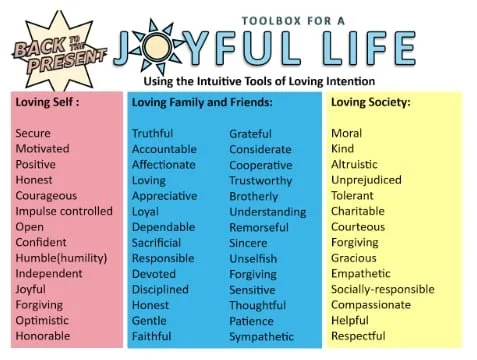
Figure 10-Toolbox for a Joyful Life
1. Loving Self
Example: A young adult affirms their worth by writing down three personal strengths before a social event.
Action: Use the tools of confidence, optimism, and self-forgiveness to counteract feelings of inadequacy.
Reflection: How can you show loving self today, even when facing fear or discomfort? Write down one affirmation or act of self-care.
2. Loving Family and Friends
Example: Confiding in a trusted friend about your social anxiety opens the door to understanding and support.
Action: Use communication and gratitude to deepen your connections and reduce feelings of isolation.
Reflection: Who in your circle can you trust to share your feelings? How can they support you? Plan one meaningful conversation.
3. Loving Society
Example: Volunteering for a local charity shifts focus from self-consciousness to helping others, fostering joyfulness.
Action: Use kindness and empathy to engage with others in ways that align with your values.
Reflection: What opportunities exist to contribute to your community in ways that feel authentic to you? Write down one way you can act on this.
Applying Intuitive Tools of Knowledge
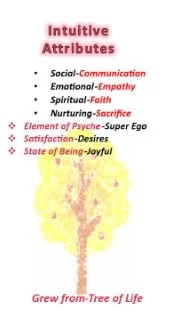
Figure 11-Intuitive Attributes of Knowledge
Communication: Focus on listening and asking open-ended questions in conversations to build genuine connections.
Reflection: How can you use communication to foster connection in your next interaction? Plan one conversation where you will listen more actively.
Empathy: Recognize that others may share similar fears, which can help reduce feelings of isolation.
Reflection: How does imagining others’ experiences change the way you perceive judgment? Write down one thought shift you’ve noticed.
Faith: Trust that each small step will build your confidence over time.
Reflection: What does having faith in your progress look like for you? Write down one example of progress you’ve made.
Sacrifice: Let go of the need to appear perfect and embrace authentic, imperfect interactions.
Reflection: What unrealistic expectation of yourself can you sacrifice today? Write it down and commit to letting it go.
A Final Point of Reflection
Social anxiety is a journey, not a fixed state. By integrating the Critical Understandings and the Tools of Loving Intention, you can gradually transform fear into growth, isolation into connection, and worry into contentment, happiness, and joyfulness.
Ask yourself:
What is one small step you can take today to honor your progress?
How can you use your physical, emotional, and spiritual gifts to face the challenges of social anxiety with patience and self-compassion?