
Emotions, Behaviors, and Responses in Love
Love is not expressed through feeling alone. It becomes visible through the way our actions, feelings, and thoughts come together in relationship. These Manifestations appear to others as emotions, behaviors, and responses.
When they are guided by loving intention, they can build trust, reduce unnecessary stress, and create more compassionate connections. When they operate without awareness, the same patterns can create misunderstanding and distance.
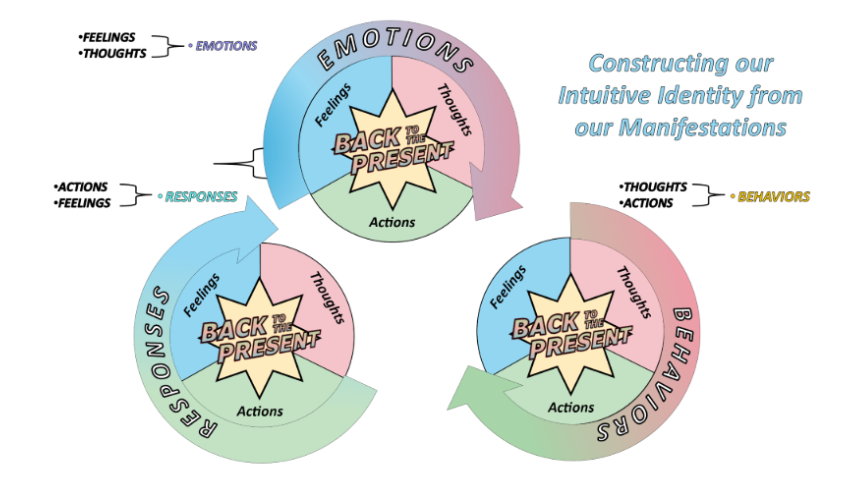
Figure 1-How Our Manifestations Come Together to Shape Our Intuitive Identity
How Manifestations Become Relationship Experience
Our internal life is continuously becoming visible. Feelings blended with thoughts appear as emotions. Thoughts leading to actions become behaviors. Actions that affect feelings in relationship become responses.
These patterns help form Intuitive Identity: the way other people experience and remember us. We may believe ourselves to be loving, but relationships are shaped by whether love can be felt in our emotional tone, observed in our behavior, and trusted in our responses.
This does not require perfection. It requires willingness to notice the difference between intention and impact, then repair the gap when necessary.
The Influence of Sensory Experience
Life reaches us through sight, sound, touch, taste, and smell. Sensory experiences can quickly awaken memory and emotion. A familiar scent may bring back affection or grief. A song may reconnect us with a joyful season. A harsh tone may activate a memory of conflict before we have evaluated the present situation.
These reactions are real, but they do not always describe what is happening now. Presence helps us distinguish the current moment from an older association.
Ask: “What did I sense? What did I feel? What meaning did my mind add?” Separating those layers can prevent an automatic reaction from becoming a harmful response.
Emotions as Tools of Loving Intention
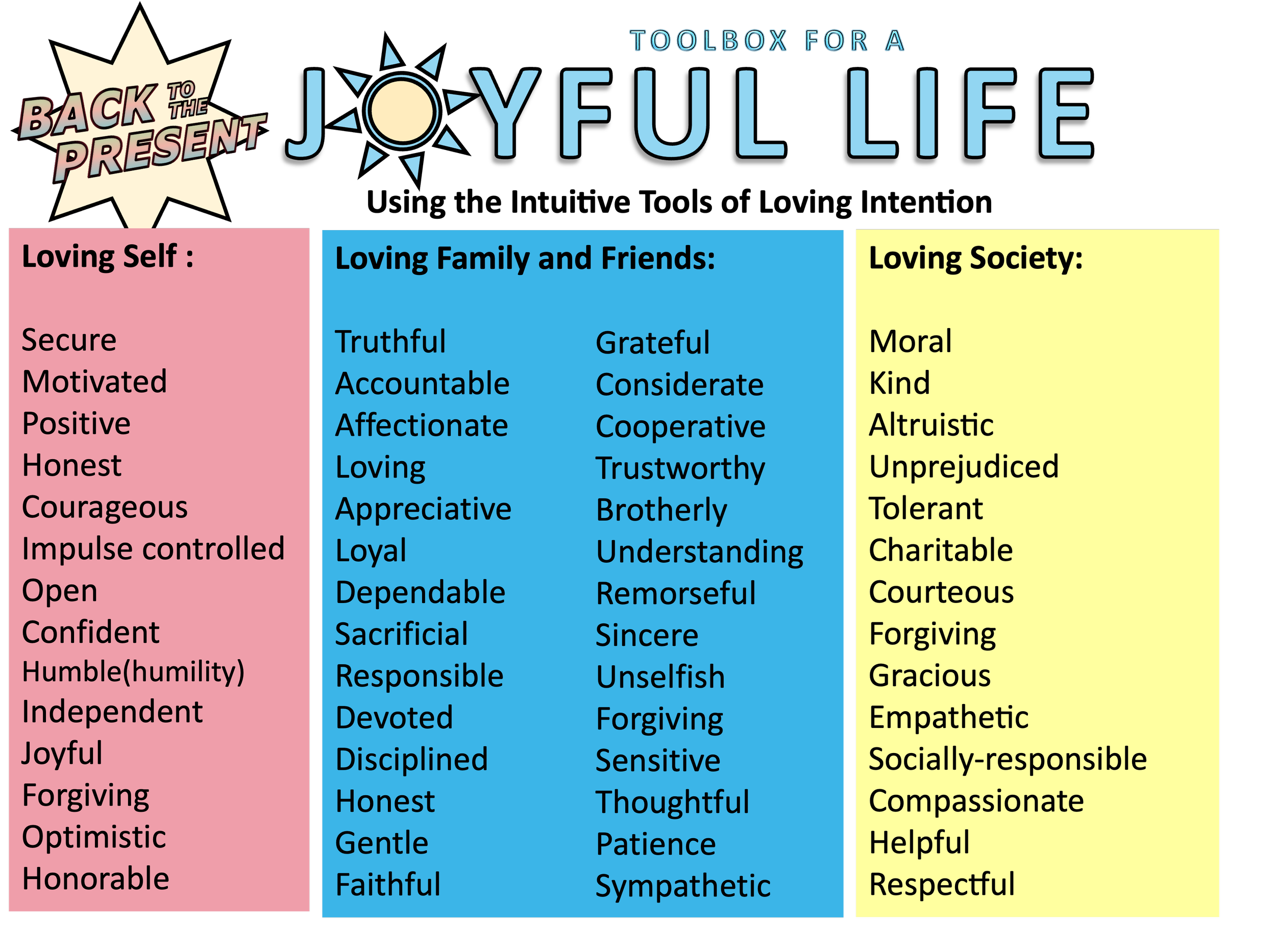
Figure 2-Toolbox for a Joyful Life
Emotions can help us recognize what matters. Empathy and compassion may reveal another person’s distress and invite care. Gratitude can deepen appreciation. Appropriate sadness can acknowledge loss, while anger may identify a boundary or injustice that needs attention.
The emotion itself is information. Loving intention determines how that information is used. We can express a feeling honestly without using it to punish, control, or humiliate another person.
A mindful emotion says, “This is what I am experiencing.” It does not automatically conclude, “Therefore, you are bad,” or “Therefore, I must act immediately.”
Behaviors That Make Love Visible
Behavior gives intention a physical form. Active listening, dependable support, thoughtful notes, shared responsibility, and acts of kindness communicate care through actions.
Small behaviors often matter more than occasional grand gestures because they become the repeated pattern of the relationship. A promise of support is strengthened when someone consistently follows through. An apology becomes trustworthy when behavior changes.
Before acting, ask whether the behavior makes loving intention easier or harder for another person to experience.
Responses That Protect Connection
A response combines what happened, what we felt, and what we choose to do next. Thoughtful responses help conflict become an opportunity for understanding rather than a contest for control.
Suppose someone we love appears stressed. We might react defensively to their short tone, or we can pause and ask, “You seem under pressure. Would listening or practical help be more useful?” The response does not excuse disrespect. It creates clarity before judgment.
Healthy responses can include empathy, communication, boundaries, forgiveness, repair, or appropriate space. What matters is that the response is chosen rather than driven by autopilot.
Decision Making Based on Love
Relationship Decision Making benefits from both intellectual and intuitive knowledge. Intellect helps us evaluate facts, consequences, responsibilities, and possible solutions. Intuition helps us recognize emotional needs, meaning, and the likely effect on connection.
A choice guided by love considers the well-being of everyone involved, including appropriate care for the self. It seeks solutions that support honesty and harmony without avoiding difficult truths.
For a major decision, ask: What are the practical facts? What is each person feeling? Which needs, wants, and desires are involved? Which option expresses loving intention while respecting reality?
A Four-Part Practice
Notice sensory influence. Identify the sight, sound, touch, taste, or smell that affected your emotional state.
Name the manifestation. What are you doing, feeling, and thinking in the present moment?
Choose the tool. Would empathy, honesty, patience, courage, gratitude, or forgiveness best serve the relationship?
Respond consciously. Take one behavior that makes the chosen quality visible while protecting appropriate boundaries.
Let Love Become Experience
Relationships are transformed not by the idea of love but by the experience of it. Emotions can communicate understanding. Behaviors can communicate commitment. Responses can communicate respect and repair.
By bringing sensory awareness, intellect, intuition, and presence into our choices, we make loving intention visible. Our actions, feelings, and thoughts begin to form an Identity that strengthens connection and contributes to a more compassionate world.