
The Role of Collective Consciousness
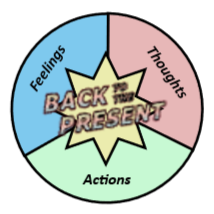
Figure 1-Manifestations
Collective consciousness is a fundamental aspect of human existence that shapes our knowledge, relationships, and overall experience of life. By integrating instinct, intellect, and intuition, collective consciousness provides a comprehensive framework for understanding the world and guiding our actions, feelings, and thoughts (Figure 1-Manifestations) This document explores the role of collective consciousness, its influence on human relationships, and the importance of faith, sacrifice, empathy, and communication in achieving joy and fulfillment.
Collective Consciousness and Intuition
Defining Collective Consciousness
Collective consciousness refers to the shared beliefs, values, norms, and knowledge that exist within a society or group. It represents the cumulative experiences and wisdom passed down through generations, shaping our understanding of the world and guiding our behaviors and decisions. This collective knowledge is stored not only in cultural artifacts and social institutions but also within the subconscious mind of individuals, influencing their intuition and decision-making processes.
The Role of Collective Consciousness in Human Knowledge
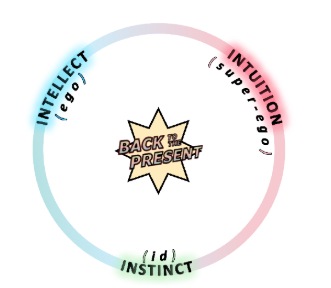
Figure 2-Sources of Knowledge and Elements of Our Psyche
Collective consciousness plays a crucial role in human knowledge by providing a reservoir of accumulated wisdom and experiences that individuals can draw upon. It encompasses instinctual knowledge inherited through evolution, intellectual knowledge gained through education and learning, and intuitive knowledge developed through personal and collective experiences (Figure 2-Sources of Knowledge and Elements of Our Psyche).
Instinct, Intellect, and Intuition as the Basis of Collective Knowledge
Instinct:
Definition: Instinctual knowledge arises from innate biological programming and is driven by the id, the most basic Element of Our Psyche. It includes the automatic, unconscious processes aimed at immediate survival and basic needs.
Role in Collective Knowledge: Instincts are shared across humanity as they are deeply rooted in our genetic makeup. They form the foundational layer of our collective consciousness, ensuring that fundamental survival behaviors are consistently transmitted across generations.
When encountering a loud noise, the instinctual response is to flinch or duck. This reflexive action is automatic and designed to protect the body from potential harm, requiring no conscious thought.
Intellect:
Definition: Intellectual knowledge involves logical reasoning, critical thinking, and learned understanding, associated with the ego. It is acquired through education, observation, and experience.
Role in Collective Knowledge: Intellectual knowledge is accumulated and shared through cultural, educational, and social institutions. It builds upon instinctual knowledge by adding layers of understanding, innovation, and problem-solving skills that are passed down through teaching and communication.
An engineer designing a bridge uses intellectual knowledge to calculate load-bearing capacities, material strengths, and environmental factors. This decision-making process is analytical and relies on a thorough understanding of mechanical and physical principles.
Intuition:
Definition: Intuitive knowledge involves the subconscious integration of experiences, insights, and build into our mind awaiting our access through observation, guided by the superego. It is the ability to understand or know something without conscious reasoning.
Role in Collective Knowledge: Intuition taps into the deeper well of collective experiences and wisdom, allowing individuals to make decisions that feel right even without explicit reasoning. It reflects the holistic synthesis of instinctual and intellectual knowledge, allowing us to apply loving intention to the collective experiences of humanity (Figure 3-Toolbox for a Joyful Life-The Intuitive Knowledge of Loving Intention).
An experienced firefighter might intuitively sense that a burning building is about to collapse and orders everyone out immediately. This decision is not based on a conscious analysis but on years of experience and subconscious pattern recognition.
Influence on Relationships and Joy
Collective Consciousness Influencing Human Relationships
Collective consciousness significantly influences human relationships by providing a shared framework of understanding and expectations. It shapes social norms, values, and behaviors, facilitating communication and cooperation among individuals. This shared knowledge helps in forming connections, building trust, and fostering empathy, all of which are essential for meaningful and fulfilling relationships.
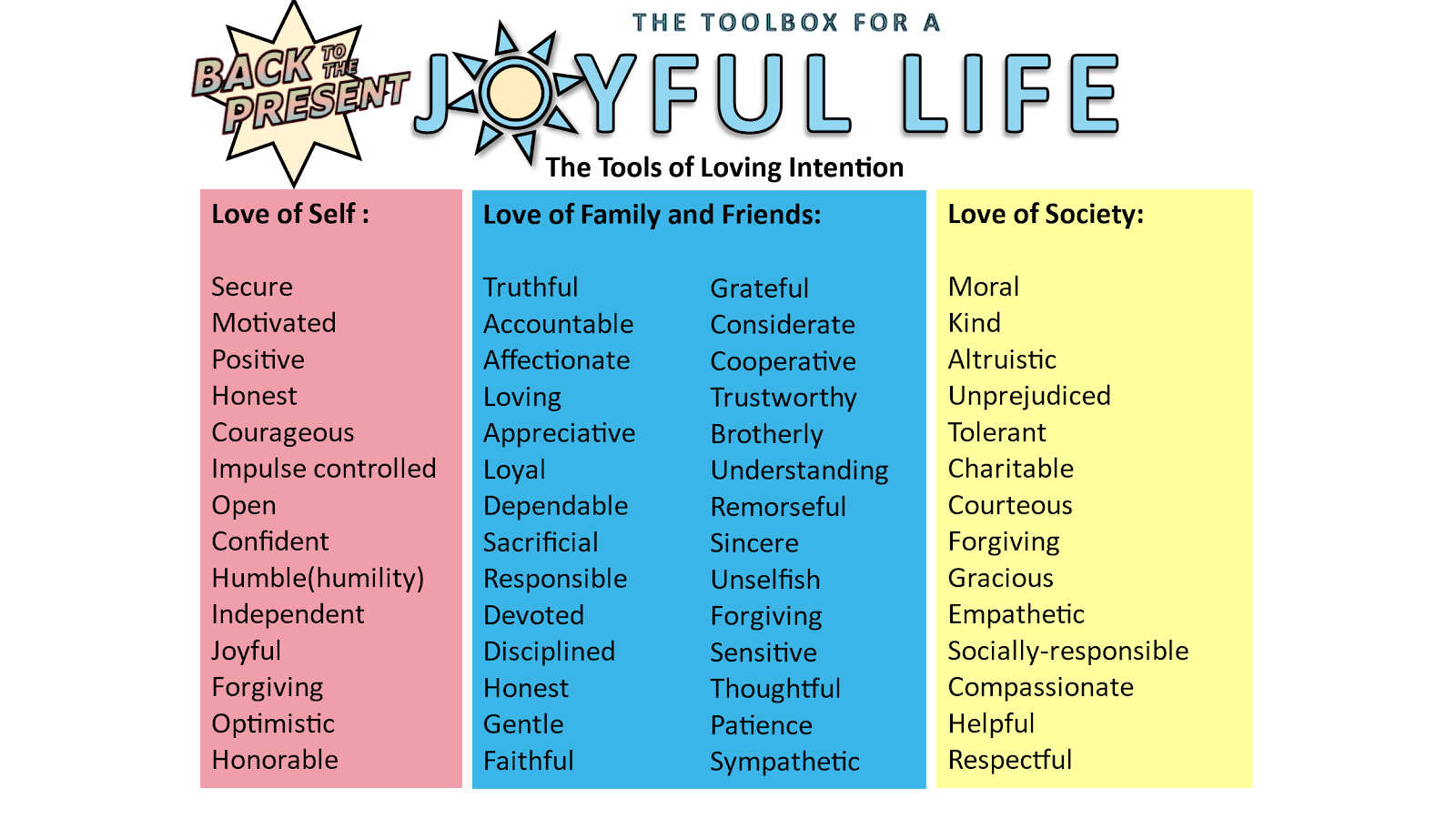
Figure 3-Toolbox for a Joyful Life-The Intuitive Knowledge of Loving Intention
Key Aspects:
Shared Values: Collective consciousness helps establish common values that guide behavior and interactions, promoting social harmony.
Empathy and Understanding: It fosters empathy by providing a shared context for interpreting emotions and experiences, leading to deeper connections.
Social Norms: Collective consciousness dictates social norms and expectations, helping individuals navigate social interactions more effectively.
The Importance of Faith, Sacrifice, Empathy, and Communication in Achieving Joy
Faith, sacrifice, empathy, and communication are integral components of our intuitive collective consciousness that play a vital role in achieving joy and fulfillment in life through valued relationships.
Faith:
Role: Faith, whether in a higher power, humanity, or the inherent goodness of life, provides a sense of belief in one another, solidifying a common purpose and direction. It helps individuals trust in the collective wisdom and experiences of their community, offering a foundation for resilience and hope.
Impact on Joy: Faith fosters a sense of belonging and security, which are essential for experiencing joy. It encourages a positive outlook and the belief that challenges can be overcome.
Sacrifice:
Role: Sacrifice involves utilizing your time and energy when putting others' needs ahead of one's own, a concept deeply embedded in collective consciousness. It reflects the willingness to contribute to the greater good and support the well-being of others.
Impact on Joy: Sacrifice enhances joy by fostering a sense of contribution and altruism. It strengthens relationships and builds a sense of community, leading to a more fulfilling and purposeful life.
Empathy:
Role: Empathy is the ability to understand and share the feelings of others. It is a cornerstone of collective consciousness, allowing individuals to connect on a deep emotional level.
Impact on Joy: Empathy leads to more meaningful and compassionate relationships. By understanding and responding to the emotions of others, individuals can form stronger bonds and experience greater joy and satisfaction in their interactions.
Communication:
Role: Effective communication is essential for expressing thoughts, feelings, and needs clearly and understanding those of others. It is a key element of collective consciousness that facilitates mutual understanding and cooperation.
Impact on Joy: Good communication skills enhance relationships by preventing misunderstandings and resolving conflicts. Clear and empathetic communication fosters trust and intimacy, which are vital for lasting joy and fulfillment in relationships.
Conclusion
Collective consciousness is a powerful force that shapes human knowledge, relationships, and experiences. By integrating instinct, intellect, and intuition, it provides a comprehensive framework for understanding the world and guiding our actions, feelings, and thoughts. The elements of faith, sacrifice, empathy, and communication, rooted in collective consciousness, are essential for achieving joy and fulfillment. By embracing these principles, individuals can build deeper connections, foster empathy, and contribute to the greater good, ultimately leading to a more joyful and meaningful life.