
The Challenges Young Adults Face Today
Imagine stepping onto a treadmill that keeps speeding up every second—that’s what life feels like for many young adults today. The relentless pace of change and endless choices make navigating adulthood an uphill battle. The world moves at lightning speed, and with that comes endless pressure to make life-defining decisions. Whether it’s choosing a career, managing relationships, or just figuring out your identity, everything feels more complicated than it did for previous generations.
Think about it: deciding what to do after high school or college can feel like navigating a maze with endless twists and turns. For instance, should you follow a passion, pursue a high-paying career, or explore something entirely unconventional? Each choice can feel like it leads to a dead end or the wrong path, making it hard to move forward. With so many options, it’s easy to feel paralyzed, afraid of making the wrong choice. On top of that, social media constantly showcases other people’s highlights, making it hard not to compare your journey to theirs.
Reflective Question: Have you ever felt like having too many choices makes it harder to decide what’s best for you?
Example: Imagine trying to choose a career. Decades ago, most people followed a clear path—maybe they took over a family business or worked in their local community. Now, you can pick from thousands of careers all over the world, many in fields that didn’t even exist ten years ago. It’s exciting but also super stressful.
How Life Has Changed
The world our parents grew up in was much simpler. People had fewer choices, and the milestones of adulthood—like getting a job, buying a house, or starting a family—were pretty straightforward. But now, everything has changed.
Social media makes it look like everyone has a perfect life. You see your friends traveling, starting cool jobs, or buying new stuff, and it can make you feel like you’re falling behind. At the same time, we’re dealing with bigger issues like climate change, global politics, and economic challenges. It’s a lot to handle.
For example, back in the day, a young adult might have learned a family trade and stuck with it for life. Now, you’re expected to juggle school, internships, side hustles, and networking—all while trying to figure out what you’re passionate about.
Reflective Question: Do you feel like social media or the pressure to “keep up” makes life harder to navigate?
How Fast-Paced Change Affects Us
The pace of change today is staggering. Did you know that most of the knowledge humans have accumulated was discovered in just the past century? According to futurist Buckminster Fuller, human knowledge doubled approximately every century until 1900, and today, it is estimated to double every 12 months, driven by advancements in technology and the internet. And this knowledge is doubling faster than ever before—some estimates say it now doubles every year. While this sounds impressive, it can also be overwhelming.
Take communication as an example. Just a few decades ago, people wrote letters or made phone calls, which required patience. Today, instant communication through texts, emails, and social media means constant connectivity. While convenient, it fosters impatience and snap decisions.
Emotional growth, however, requires time and space for reflection. With endless distractions, it’s harder than ever to find the mental clarity to process emotions and make thoughtful choices.
Reflective Question: How do you think constant connection through technology impacts your ability to reflect on your feelings and decisions?
Examples of Everyday Challenges
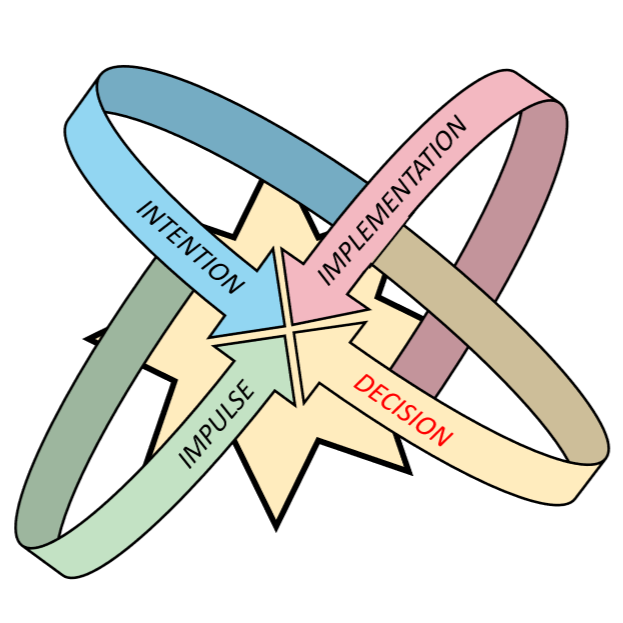
Figure 1 - Decision Making
Career Pressure: Emma spends hours scrolling through job postings online. At first, she feels overwhelmed by the endless options and fears choosing the wrong path. However, after speaking with a mentor, she decides to narrow her search by focusing on roles that align with her passion for environmental science. She sets small, manageable goals, like applying to three positions each week, and eventually lands a job that not only excites her but also provides a sense of direction. The endless options make her feel stuck, so she keeps procrastinating, which only adds to her ANXIETY.
Social Media Comparison: Jack is excelling in school and is proud of his academic achievements. However, every time he opens Instagram, he sees friends posting about glamorous internships in tech or exotic vacations to tropical destinations. This constant stream of highlights makes him question whether he’s doing enough. To cope, Jack decides to take a step back from social media and focuses on journaling his own goals and accomplishments. Over time, he realizes that his path is unique and starts celebrating his progress rather than comparing himself to others.
Emotional Impulses: Mia often acts on her emotions. When she’s frustrated, she impulsively quits jobs without having a backup plan, which leaves her financially unstable. For instance, after a disagreement with her boss, she left her job on a whim, only to realize later that she had no savings or immediate prospects. To turn things around, Mia began applying the decision-making model of controlling the impulse, setting the intention, and following intuitive and intellectual guidance as she implements her decisions one at a time.
a. First, she worked on recognizing her emotional impulse. When she felt the urge to make a rash decision, she paused and acknowledged the emotion driving her actions.
b. Next, she shifted her focus to intention. She asked herself what outcome she truly wanted—to improve her workplace situation or leave in a way that set her up for future success.
c. Finally, she moved to implementation, combining intellect and intuition to guide her actions, feelings, and thoughts. During this stage, Mia used her intellect to logically evaluate her options, listing the pros and cons of each potential choice. At the same time, she tapped into her intuition by reflecting on how each decision aligned with her values and long-term goals. Consulting her career counselor and discussing her feelings with trusted mentors helped her validate her insights and develop a step-by-step plan. By integrating these Sources of Knowledge, she made thoughtful, balanced decisions that were both practical and emotionally fulfilling (Figure -Sources of Knowledge).
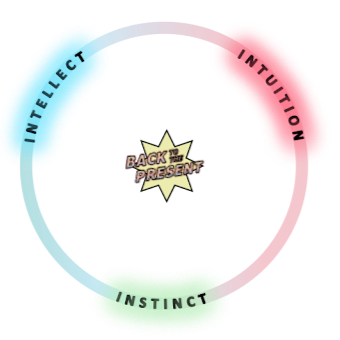
Figure 2 - Sources of Knowledge
By following this process, Mia learned to channel her emotions, behaviors, and responses (Intuitive Identity) constructively. The concept of Intuitive Identity represents the alignment of one’s inner guidance system with external actions. For Mia, this meant understanding and applying her emotional and social insights to create a balanced approach to decision-making. She practiced self-awareness to notice how her actions affected others and used that awareness to respond empathetically and responsibly. Over time, this approach allowed Mia to make decisions that not only supported her personal growth but also strengthened her relationships with herself and others. By embracing her Intuitive Identity, Mia found a deeper sense of fulfillment and joy in both her professional and personal life.
Reflective Questions:
Have you ever felt paralyzed by too many options, like Emma? How did you move forward?
What strategies can help you focus on your own growth instead of comparing yourself to others?
By breaking these challenges down, we can start figuring out how to tackle them. It’s about finding ways to manage stress, reflect on what matters, and learn to focus on relationships and self-growth rather than just chasing what looks good on the surface. Let’s work toward a life where we feel less overwhelmed and more connected to what truly brings us joy.