
Who’s in Charge of Your Consciousness?
Imagine you’re standing at a crossroads with many divergent paths, your mind riddled with choice.
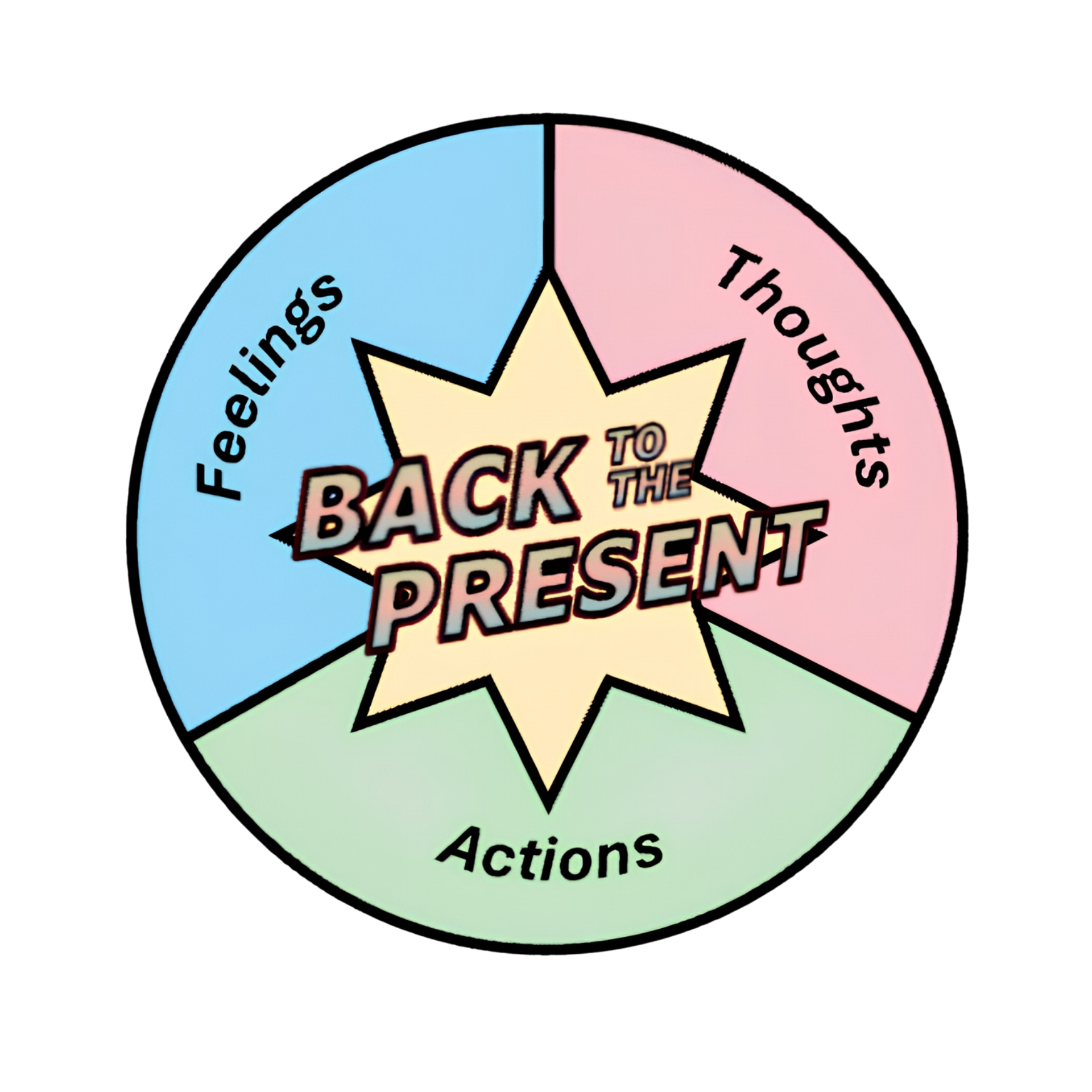
Figure 1-Manifestations
One path leads to anger, the other to understanding.
One to resentment, the other to forgiveness.
One to fear, the other to love.
Which path do you take?
Now ask yourself:
Who’s in charge of my consciousness?
Who gets to choose what I do, feel, and think next?
The answer is simple: You do.
This realization is a superpower. You are not just a passive observer of your actions, feelings, and thoughts, you are their creator (Figure 1-Manifestations). You are the architect of your own existence, shaping your reality one decision at a time.
What Makes Us Different? Conscious Awareness & Free Choice
What sets humans apart from other living beings?
Animals live in the present because they must. They are unaware of how time and energy—our Limited Resources—impact their existence. They instinctively react to their environment. They live in the present instinctively reacting to their environment. But we, as humans, have something more—the ability to pause, reflect, anticipate, and shape our own future.
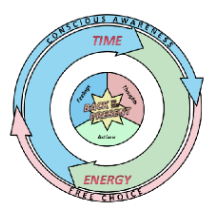
Figure 2-Unique Abilities, Limited Resources, and Manifestations
This ability comes from our consciousness, which grants us awareness of how our time and energy influence our lives. Unlike animals, we don’t just rely on instinct to meet our needs. Instead, we apply conscious awareness, allowing us to make intentional choices about how we Manifest our actions, feelings, and thoughts (Figure 2-Unique Abilities, Limited Resources, and Manifestations).
This was a game changer. Suddenly, we weren’t just surviving—we were beginning to create.
Conscious awareness gives us the power to be fully present and mindful of our decisions. But what truly unlocks our potential is our other Unique Ability—free choice.
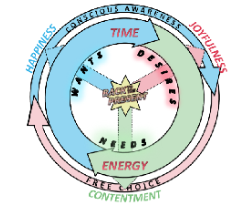
Figure 3-Unique Abilities, Limited Resources, Satisfactions, and Emotional State of Being
Unlike any other species, we can:
Learn from the past
Act in the present
Shape our future
Through conscious awareness and free choice, we can expand our understanding, share knowledge, and ease the burdens of existence. As our needs are met, we naturally shift our focus toward our wants and desires, seeking deeper Satisfaction and a more fulfilling Emotional State of Being (Figure 3-Unique Abilities, Limited Resources, Satisfactions, and Emotional State of Being).
Mindfulness vs. Self-Awareness
Mindfulness is the practice of observing what we are doing, feeling, and thinking—without judgment. It’s about being fully engaged in the now, accepting experiences as they unfold. (I like to think of it as getting back to the present (backtothepresent.org).
Self-awareness takes this a step deeper. It doesn’t just ask, “What am I doing, feeling, or thinking?” It asks, “How do my actions, feelings, and thoughts impact others?”—without judgment.
This is what separates mere existence from intentional living. When we cultivate self-awareness, we gain the ability to shape not just our own lives but also the world around us.
The Power of Free Choice
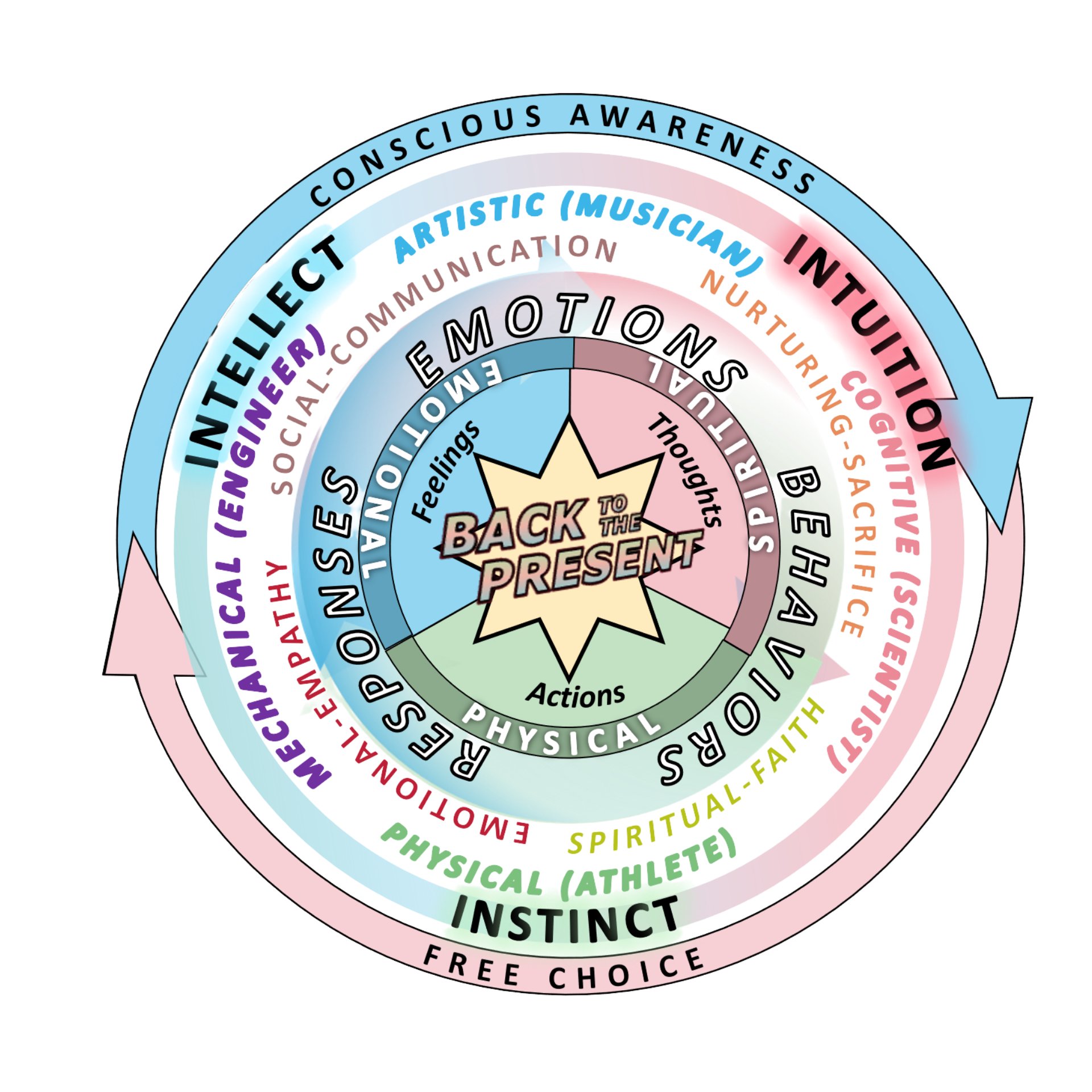
Figure 4-Origins of Our Identity
With our Unique Abilities—conscious awareness and free choice—we became the authors of our own life’s story. Unlike any other species, we explore the world knowingly, shaping our Identity through decisions made with our intellectual and intuitive attributes of knowledge (Figure 4-Origins of Our Identity).
We create our reality one choice at a time. To make good choices, we must develop awareness of our emotions, behaviors, and responses—this is our Intuitive Identity.
The Role of Intuitive Attributes in Shaping Identity:
Social-Communication
Nurturing-Sacrifice
Spiritual-Faith
Emotional-Empathy
These qualities allow us to apply the tools of loving intention into the world, making it a better place (Figure 4-Toolbox for a Joyful Life). For example:
Choose forgiveness over resentment.
Choose understanding over judgment.
Choose optimism over fear.
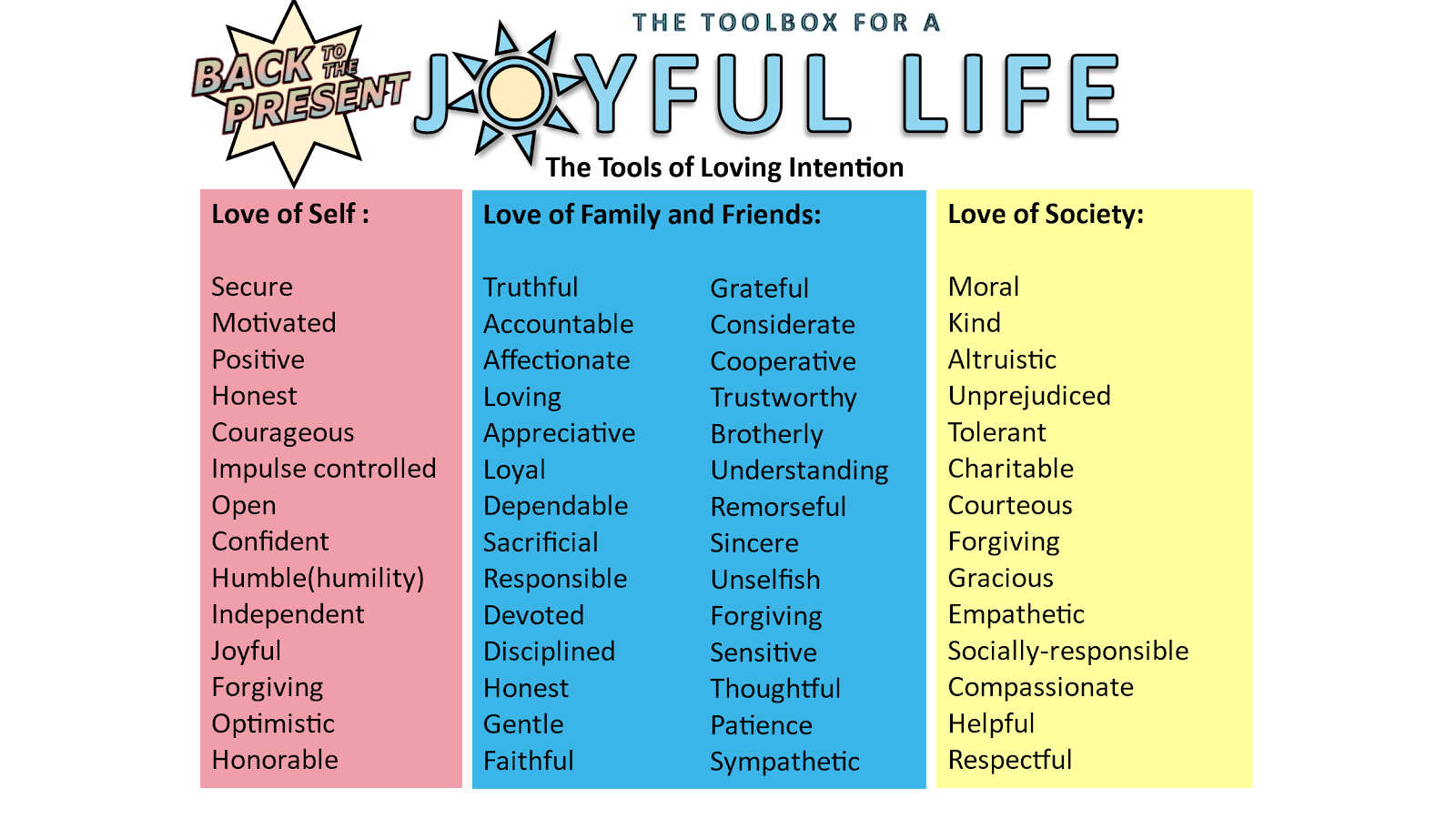
Figure 5-Toolbox for a Joyful Life
Decision Making with Conscious Awareness & Free Choice
Every decision we make follows a structured process, engaging all three of our Gifts—physical, emotional, and spiritual. Using the model provided, decision-making involves three key steps:
Control the Impulse: Our physical gift ensures that we regulate our unconscious instincts and impulses, preventing rash decisions driven solely by the id. By pausing before we act, we allow conscious awareness to take the lead.
Set the Intention: Our emotional gift helps us engage our conscious awareness with feelings. Through the ego, we align our choices with our wants, guided by intellectual knowledge. This step ensures that our decisions reflect thoughtful consideration rather than fleeting emotions.
Implement One Decision at a Time: Our spiritual gift enables us to access intuitive knowledge, making choices that align with our deepest desires. Through the superego, we freely choose and implement each decision in alignment with our highest self, bringing joyfulness into our lives.
By following these steps, we create decisions that are intentional, balanced, and aligned with our needs, wants, and desires. (Figure 6—Defining the Components of Decision Making)
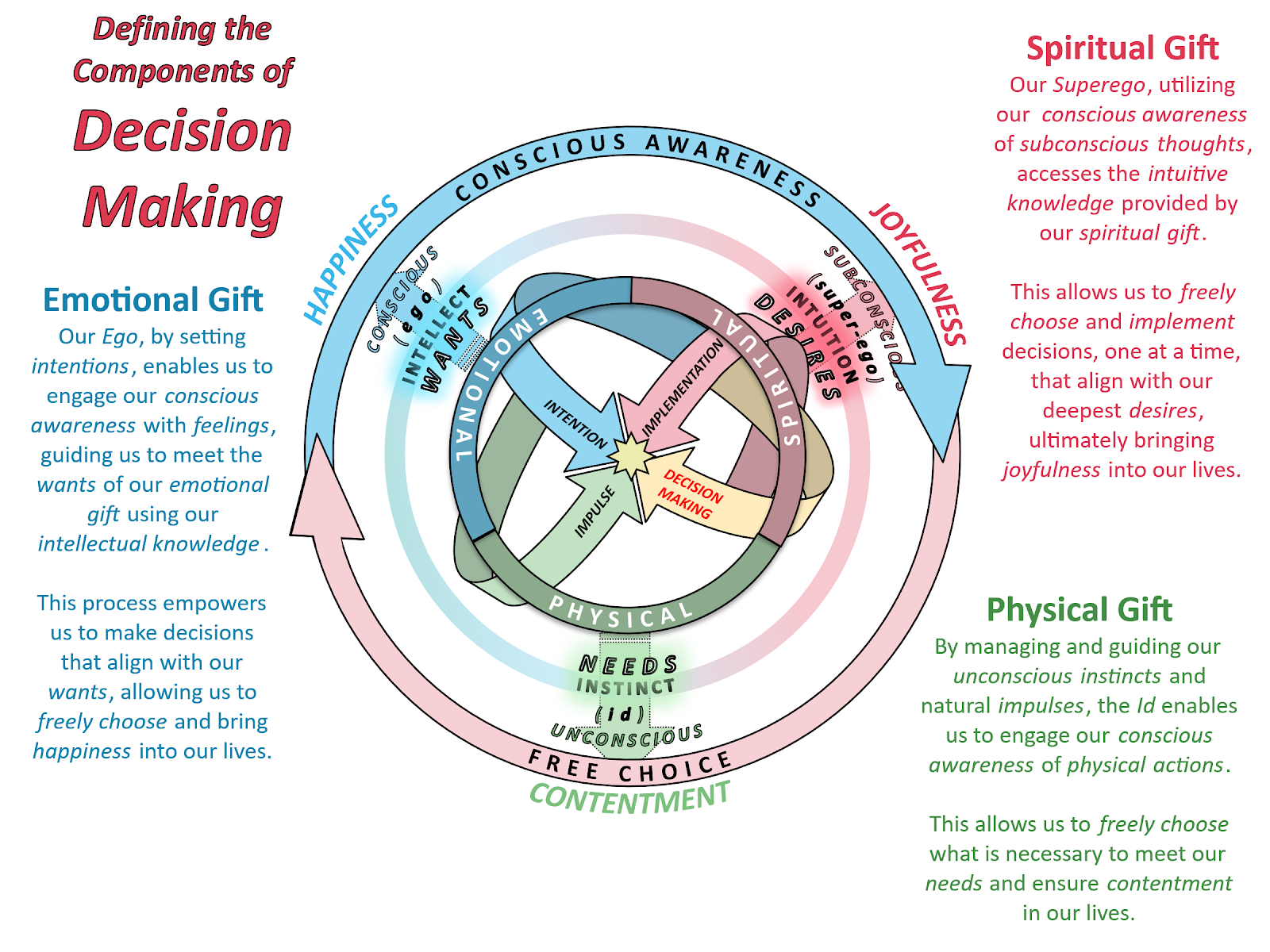
Figure 6—Defining the Components of Decision Making
Examples of Conscious Awareness in Action
The Power of a Pause: You receive an upsetting text message that triggers the emotion of anger. Instead of reacting impulsively, you take a deep breath, acknowledge your emotions, and choose to behave with loving intention rather than impulse. This moment of awareness prevents unnecessary conflict and promotes understanding.
Practicing Gratitude: After a long and stressful day, instead of focusing on what went wrong, you intentionally reflect on one thing that brought you joy. This shift in focus plants a seed, rewiring your mind toward positivity and appreciation.
Choosing Empathy: A coworker snaps at you. Instead of taking it personally, you recognize that their reaction may stem from their own struggles, unrelated to you. With this understanding, you respond with kindness rather than defensiveness, fostering a more positive interaction.
Points of Reflection
Think of a time when you reacted impulsively. How might self-awareness have changed your response?
What are some ways you can integrate mindfulness into your daily routine?
How do your choices today shape the person you become tomorrow?
In what areas of your life can you practice greater self-awareness?
The License to Create
In every moment, you are given a license to create—to decide what you will do, feel, and think next. We must remember:
Our emotions are not decision-makers.
They exist to help us understand how we wish to feel once we’ve made the right decision.
So, the next time you find yourself at a crossroads, pause. Breathe.
And ask yourself: “Who’s in charge of my consciousness?”
The answer will always be the same: You are.
What will you choose next?