
What Identity Is and How It Is Formed
IDENTITY
Identity is how our actions, feelings, and thoughts are perceived—by us and by the people whose lives we touch. It is not a fixed label. It is an evolving pattern, formed as we invest time and energy in decisions and repeat them across our lives.
We experience identity subjectively through our inner story. Other people experience it objectively through what we express in relationship. A more complete understanding includes both views.
Identity Is Lived in Relationship
We may describe ourselves as caring, dependable, creative, or patient. Those words express our intended identity. Yet relationships are shaped by the patterns others can actually feel and observe.
For example, we may intend to be supportive while repeatedly interrupting someone who needs to be heard. Our subjective identity says, “I care.” The objective experience may say, “My feelings do not have room here.” Neither view should be ignored. Awareness of the gap gives us an opportunity to bring intention and impact into alignment.
How Identity Takes Form
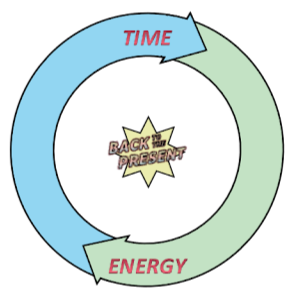
Every decision is an investment of time and energy. Repeated decisions become patterns, and patterns become recognizable qualities of identity. What we practice grows easier to express, whether it is patience or impatience, honesty or avoidance, compassion or judgment.
This is why identity continues to evolve. We inherit instincts and aptitudes, learn from our environment, and gain knowledge through experience. We then use those resources to decide what to do, feel, and think in the present moment.
The Manifestations of Identity
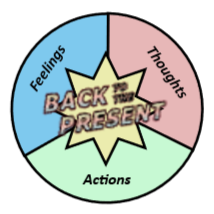
Our internal life becomes visible through three Manifestations:
Emotions arise as feelings and thoughts combine.
Behaviors emerge as thoughts direct actions.
Responses occur as actions affect feelings in relationship.
These Manifestations create the experience others have of us. A loving intention becomes meaningful when it appears in emotional tone, dependable behavior, and a thoughtful response.
Three Sources of Knowledge
Identity also draws from three Sources of Knowledge: instinct, intellect, and intuition.
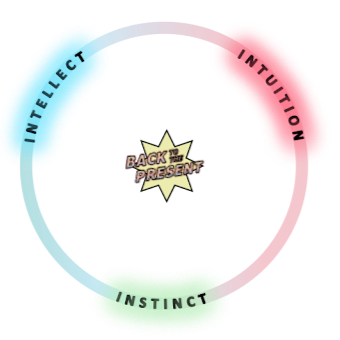
Instinct helps us recognize and protect our needs. When those needs are met, we may experience contentment.
Intellect helps us understand and pursue our wants. Intellectual knowledge can produce solutions, accomplishments, and experiences associated with happiness.
Intuition helps us identify deeper desires for meaning, connection, and contribution. When guided by loving intention, intuitive knowledge can support joyfulness.
No source is sufficient alone. A balanced identity respects survival, practical reasoning, and the wisdom of connection.
Attributes We Express
Our Intellectual Attributes—physical, artistic, cognitive, and mechanical—help us act, create, understand, and build. Our Intuitive Attributes—emotional, social, spiritual, and nurturing—help us empathize, communicate, believe, and care.
These aptitudes differ from person to person. Identity is shaped not merely by which attributes come naturally, but by how responsibly we develop and use them.
Subjective and Objective Identity
Subjective identity asks, “Who do I believe I am?” Objective identity asks, “What pattern do my choices create for others?” Alignment between the two produces greater clarity and trust.
Feedback can be uncomfortable because it challenges the story we hold about ourselves. Yet thoughtful feedback is information. We do not have to accept every judgment as truth, but we can look for repeated patterns and decide whether change would better reflect our intention.
PRESENCE AND SELF-AWARENESS
Presence gives us a place to work with identity. We cannot rewrite a past choice, and we cannot act inside an imagined future. We can notice what is happening now and choose the next expression of who we intend to become.
A simple practice is to pause and ask:
What am I doing, feeling, and thinking?
Which source of knowledge is guiding me?
How might another person experience this choice?
What response would better express loving intention?
Identity Across a Lifetime
Identity develops through seasons of germination, growth, and giving back. Early life establishes patterns and possibilities. Adulthood strengthens abilities through responsibility and experience. Later seasons offer the opportunity to contribute knowledge, care, and wisdom.
Legacy is the pattern of identity that remains in the lives of others. It is built less through what we claim and more through what we repeatedly contribute.
Choosing the Identity We Express
Identity is both received and created. We begin with inherited traits and learned experiences, but every conscious decision adds to the pattern. With self-awareness, we can strengthen what serves life and revise what no longer reflects our purpose.
The aim is not to manufacture a perfect image. It is to bring our subjective intention and objective impact into greater harmony. When our actions, feelings, and thoughts work together with presence, identity becomes a living expression of purpose and loving intention.