
Breathing
Breathing is a good indicator or measure of our comfort and contentment. When relaxed, our breathing slows, and we begin to conserve energy. It mediates and regulates the automaticity of the opposing forces of our autonomic nervous system, including the sympathetic and parasympathetic nervous systems.
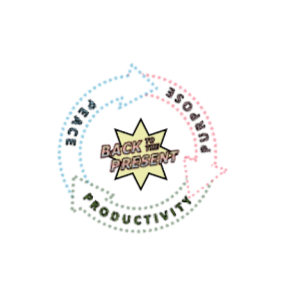
Figure 1- Agreements
The sympathetic nervous system is activated during stress, triggering the 'fight or flight' response. In contrast, the parasympathetic nervous system is activated when our needs are met, reducing anxiety. This system conserves energy, renews, and stores nutrients, shifting our body into an anabolic state of building, rather than the catabolic state where resources are mobilized for reaction. When animals are calm, satisfied, and content, the parasympathetic nervous system helps them relax, allowing them to live in the moment without the perception of time or energy.
By becoming aware of our breath, we can use it as a tool to access a content state of mind. Animals, knowing only of their needs, become content once those needs are satisfied, resting their bodies with productivity, peace, and purpose (Figure 1-Agreements). They live mindfully in the present because they are unaware of choice and the impact time and energy have on their lives. This state of mindfulness allows us to focus our blood flow where we choose, rather than being dominated by the stress response and its associated neurohormones.
Breathwork Exercises for Better Sleep
4-7-8 Breathing Technique
This technique helps promote relaxation and can be particularly effective for falling asleep.
Steps:
Sit or lie down in a comfortable position.
Close your eyes and take a deep breath in through your nose for a count of 4.
Hold your breath for a count of 7.
Exhale completely through your mouth for a count of 8.
Repeat this cycle 4 times, gradually increasing to 8 cycles as you become more comfortable.
Box Breathing
Also known as four-square breathing, this technique is great for calming the mind and body.
Steps:
Sit or lie down in a comfortable position.
Close your eyes and inhale through your nose for a count of 4.
Hold your breath for a count of 4.
Exhale through your mouth for a count of 4.
Hold your breath again for a count of 4.
Repeat this cycle 4-6 times.
Diaphragmatic Breathing
This technique encourages full oxygen exchange and can help reduce stress and anxiety.
Steps:
Lie on your back with your knees bent and a pillow under your head.
Place one hand on your chest and the other on your abdomen.
Take a deep breath in through your nose, allowing your diaphragm (not your chest) to inflate with enough air to create a slight rise in your abdomen.
Exhale slowly through your mouth.
Repeat for 5-10 minutes.
Alternate Nostril Breathing (Nadi Shodhana)
This technique helps to balance the nervous system and reduce stress.
Steps:
Sit comfortably with your spine straight.
Close your right nostril with your right thumb.
Inhale deeply through your left nostril.
Close your left nostril with your right ring finger and release your thumb from your right nostril.
Exhale slowly through your right nostril.
Inhale deeply through your right nostril.
Close your right nostril with your right thumb and release your ring finger from your left nostril.
Exhale slowly through your left nostril.
Repeat this cycle for 5-10 minutes.
Progressive Relaxation Breathing
This technique combines deep breathing with muscle relaxation for a comprehensive relaxation effect.
Steps:
Lie down in a comfortable position.
Close your eyes and take a deep breath in, tightening a specific muscle group (e.g., your feet).
Exhale slowly, releasing the tension in that muscle group.
Move to the next muscle group (e.g., calves) and repeat the process.
Continue through all muscle groups, from your feet to your head.
Incorporate these breathwork exercises into your nightly routine to help promote relaxation and improve your sleep quality.